Strange StoriesОткрыть в Orbeo

Архив · страница 2 из 5 · 26 сентября 2026 — 10 октября 2026

🧪 The Chemist Who Tasted Poison

In 1814, German chemist Friedrich Sertürner was testing a new compound he'd extracted from opium. To prove it was safe, he did what scientists then sometimes did—he tasted it. He discovered morphine, the powerful painkiller that would transform medicine. Sertürner survived his self-experiment, though he experienced the full effects of what he'd found.

He didn't win a Nobel Prize—it wouldn't exist for another 86 years.

#science #history
🏛️ The Diver Who Found a City

In 1992, a diver named Robert Ballard was exploring underwater caves off the coast of Egypt when he stumbled upon ruins of an ancient port city. The city, called Heracleion, had vanished beneath the Mediterranean over 1,200 years ago due to earthquakes and rising sea levels. Ballard's discovery revealed temples, statues, and treasures that rewrote what we knew about ancient Egypt's trade networks. Archaeologists spent years carefully excavating the sunken city, finding gold coins and massive stone sphinxes perfectly preserved in the mud.

A place erased by nature, rediscovered by accident.

#history #mystery #travel

🏔️ The Glacier That Swallowed a Village

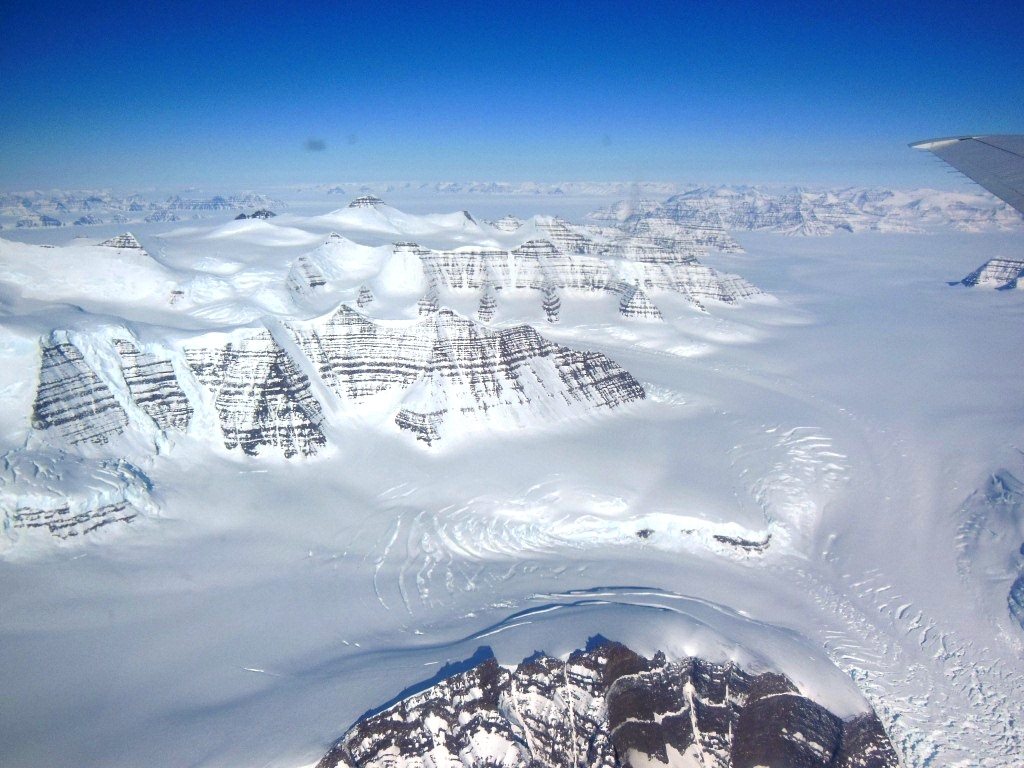
In 1962, the Huascarán glacier in Peru began to crack. On May 31st, a massive block of ice and rock broke loose and thundered down the mountain at over 200 miles per hour. In less than three minutes, it reached the town of Ranrahirca below, burying the entire settlement under ice and rubble. Around 4,000 people died, many of them never recovered.

Geologists later found that the 1962 earthquake in Peru had destabilized the glacier. It was a reminder that mountains can kill in seconds.

#history #nature

🌉 The Bridge Built by a Prisoner

In 1872, a French postal worker named Ferdinand Cheval began collecting stones during his daily rounds in Drôme, southeastern France. For 33 years, he carried them home and stacked them into an extraordinary palace, working alone at night. When finished, his "Ideal Palace" stood 12 metres high, decorated with grotesque sculptures and intricate mosaics—all built from stones he'd gathered one by one.

Local authorities initially tried to demolish it as a public nuisance, but the palace survived and became admired as outsider art before that term even existed. Cheval never received formal recognition in his lifetime, but his creation inspired artists for generations.

One man's daily obsession became architecture's strangest monument.

#history #travel

🎨 An Elephant Named Siri Picked Up a Brush.

In the 1950s, a Thai elephant named Siri began making strokes on canvas after her mahout placed a brush in her trunk. Word spread, and she became famous across Asia for her abstract paintings. Zoos and collectors bought her work, some selling for thousands of dollars. But here's the twist: scientists later proved that Siri wasn't creating art by choice—she was simply mimicking repetitive motions her handlers had trained her to make, and the "paintings" had no intentional composition.

She became a symbol of how we project meaning onto animal behaviour.

#history #mystery

🌠 The Only Confirmed Animal Killed by Space Rock

On August 10, 1888, a meteorite streaked across the sky near Mhow, India, and struck a cow grazing in a field. The animal died instantly—the only documented case of a meteorite killing a large animal in recorded history. Witnesses saw the fireball and found the still-warm stone embedded near the carcass, making it impossible to deny what had happened. The meteorite, now called the Mhow meteorite, sits in a museum as proof that the cosmos can reach down and change a life in an instant.

One unlucky cow, forever part of science.

#history #science #nature

🏛️ A Letter Carrier Unearthed Pompeii

In 1748, a workman digging a well near Naples struck something hard—a stone wall buried under volcanic ash. He was just a labourer, not an archaeologist, but his discovery would change history. Beneath 16 metres of pumice and ash lay Pompeii, the Roman city frozen in time by Mount Vesuvius's eruption nearly 1,700 years earlier. The find happened almost by accident, with no grand expedition or scholarly plan. Today, Pompeii remains one of the world's most complete windows into ancient Roman life.

A shovel in the right place at the right time.

#history #mystery

🌋 The Island That Vanished in Hours

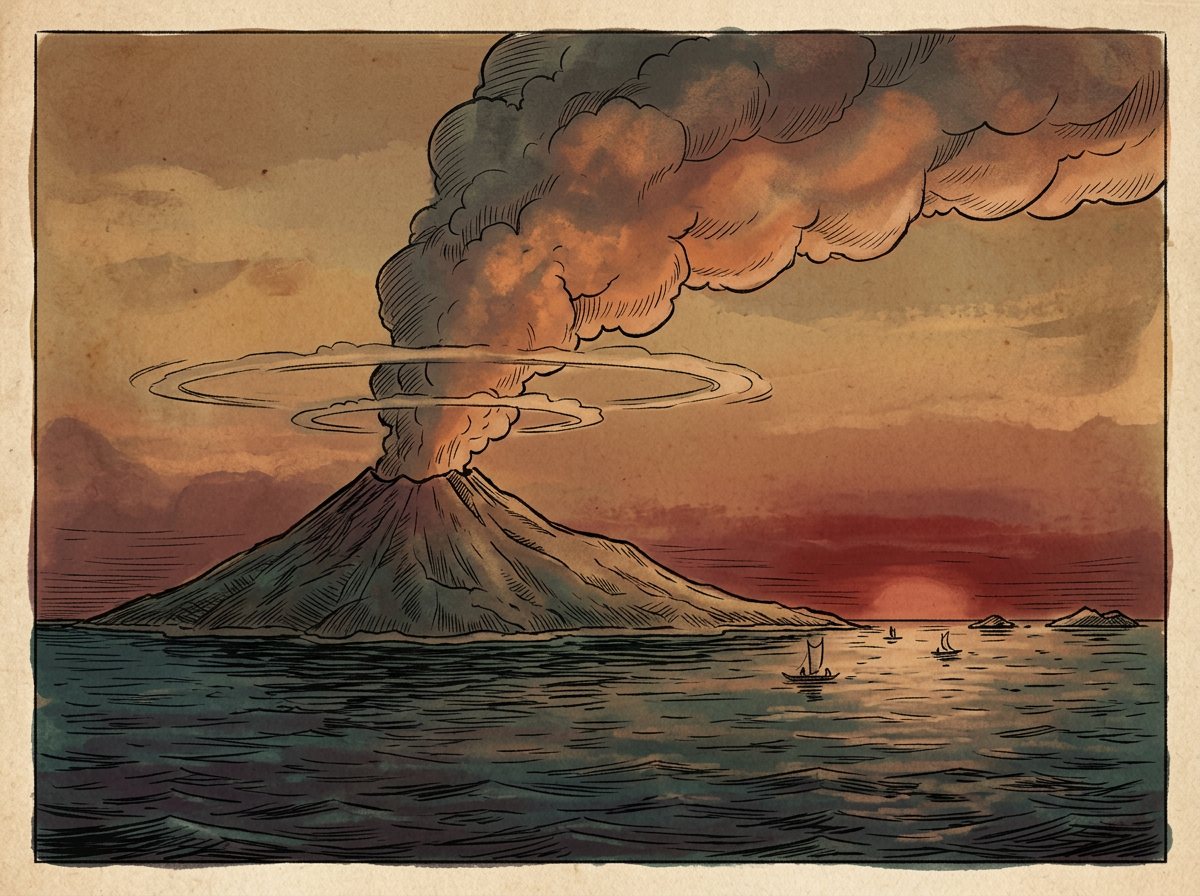
On 26 August 1883, the volcanic island of Krakatoa in Indonesia exploded with a force so immense it was heard in Mauritius, nearly 5,000 kilometres away—the loudest sound in recorded history. The blast destroyed most of the island, triggering tsunamis up to 37 metres high that killed tens of thousands across Java and Sumatra. The explosion was so violent it ejected ash 80 kilometres into the atmosphere, darkening the sky at noon and circling Earth in just thirteen days. For months afterwards, sunsets glowed blood-red across the planet as ash particles filtered the light.

Today, a new island has grown from the same volcanic vent.

#history #nature

🏥 The Surgeon Who Cut Open His Own Belly

In 1961, Dr. Leonid Rogozov was the only doctor at a Soviet Antarctic station when he developed acute appendicitis. With a blizzard raging and rescue impossible for months, he faced a choice: wait and risk death, or operate on himself. Rogozov lay on a table, injected local anaesthetic into his abdomen, and used a scalpel and forceps to remove his own inflamed appendix while looking in a mirror. His colleagues handed him instruments as he worked for two hours, talking them through each step. He survived, recovered fully, and returned to duty.

He later said the hardest part wasn't the pain—it was staying calm.

#history #science

🌲 The Family That Missed the Second World War

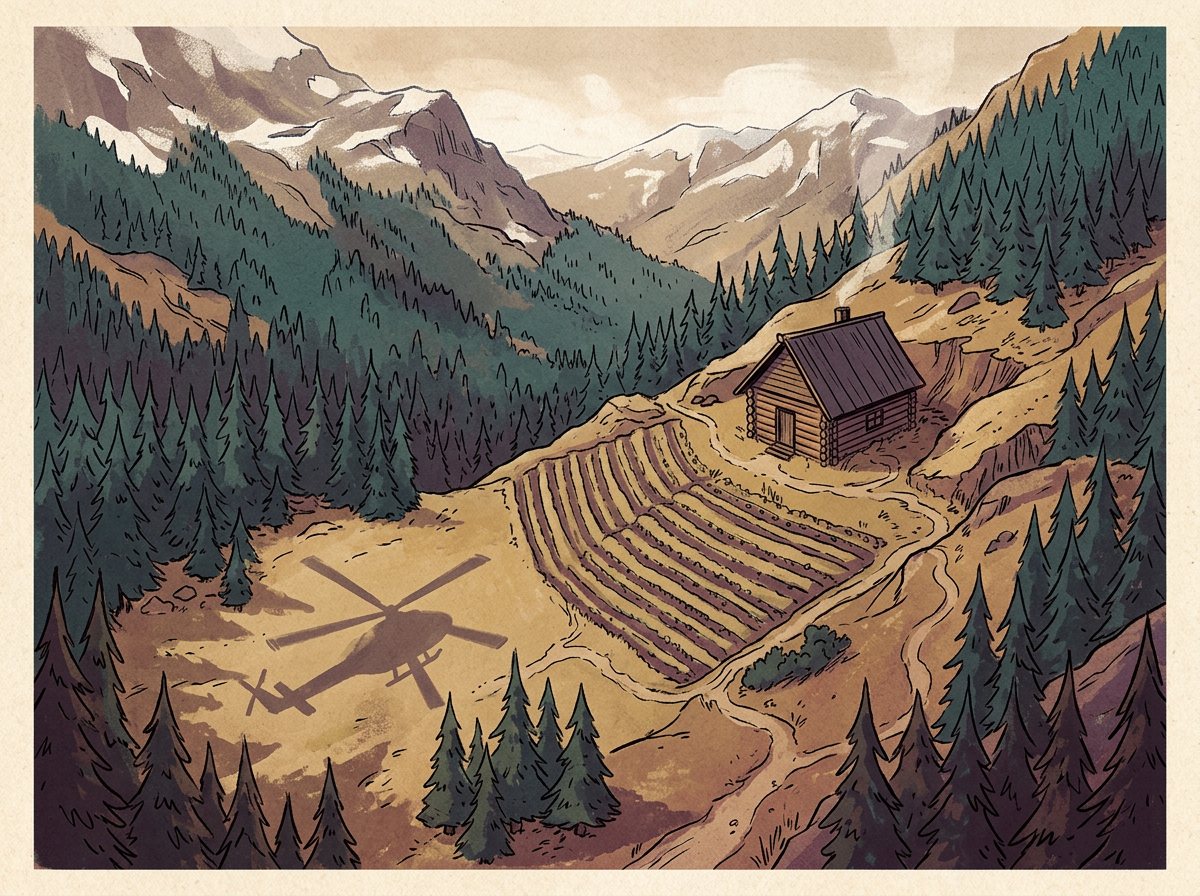
In 1978 a geologists' helicopter scouting for iron ore over the remote Sayan mountains of southern Siberia spotted something impossible: a garden cut into a slope, more than 240 kilometres from the nearest settlement. Below lived the Lykovs, an Old Believer family who had fled into the taiga in 1936 and never come out, surviving on potatoes, rye and whatever the forest gave them. Two of the four children had been born in the wilderness and had never seen a stranger, a town, or bread from a shop. When the geologists mentioned the Second World War, the family had no idea it had happened. Told that men had walked on the Moon, the father reportedly accepted it calmly — he had long watched satellites crossing the night sky and called them stars that moved.

#history #nature

🧬 The Serial Criminal Who Never Existed

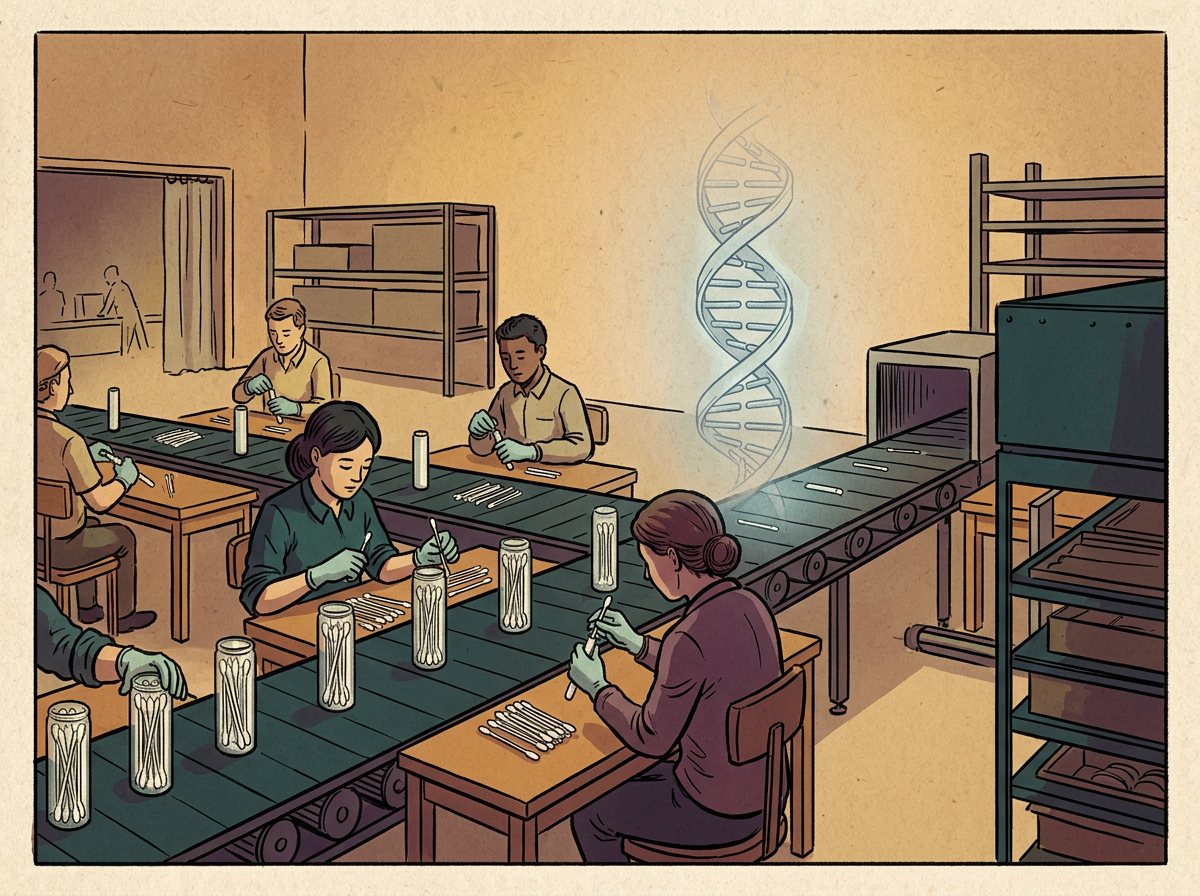
For 16 years German police hunted a woman whose DNA kept turning up at crime scenes — burglaries, car thefts, and the 2007 killing of a young policewoman in Heilbronn. The same female genetic profile was eventually linked to around 40 scenes in Germany, Austria and France, and investigators offered a large reward for the "Phantom". Then, in March 2009, a routine check on an unrelated case produced an impossible result: the phantom's DNA appeared on the body of a man. The trail led not to a criminal but to a factory where cotton swabs for forensic sampling were packed — and to a woman working there who had unknowingly left traces on the swabs themselves.

The most wanted woman in Germany had never committed a single crime.

#history #mystery

🌋 The Sound Heard 4,800 Kilometres Away

On 27 August 1883, the volcanic island of Krakatoa in the Sunda Strait tore itself apart in a series of colossal explosions. Nearly 4,800 kilometres away on Rodrigues Island, near Mauritius, the chief of police reported hearing what he took for the distant roar of heavy guns — and wrote it down, not knowing a volcano had just erupted a third of the way across the planet. Barographs in cities around the world traced the pressure wave rolling past again and again for days as it circled the Earth. Dust flung into the sky tinted sunsets an eerie red for months afterwards, in Europe and North America alike.

It is still considered one of the loudest sounds ever documented.

#history #nature

🪨 The Postman Who Tripped Over a Palace

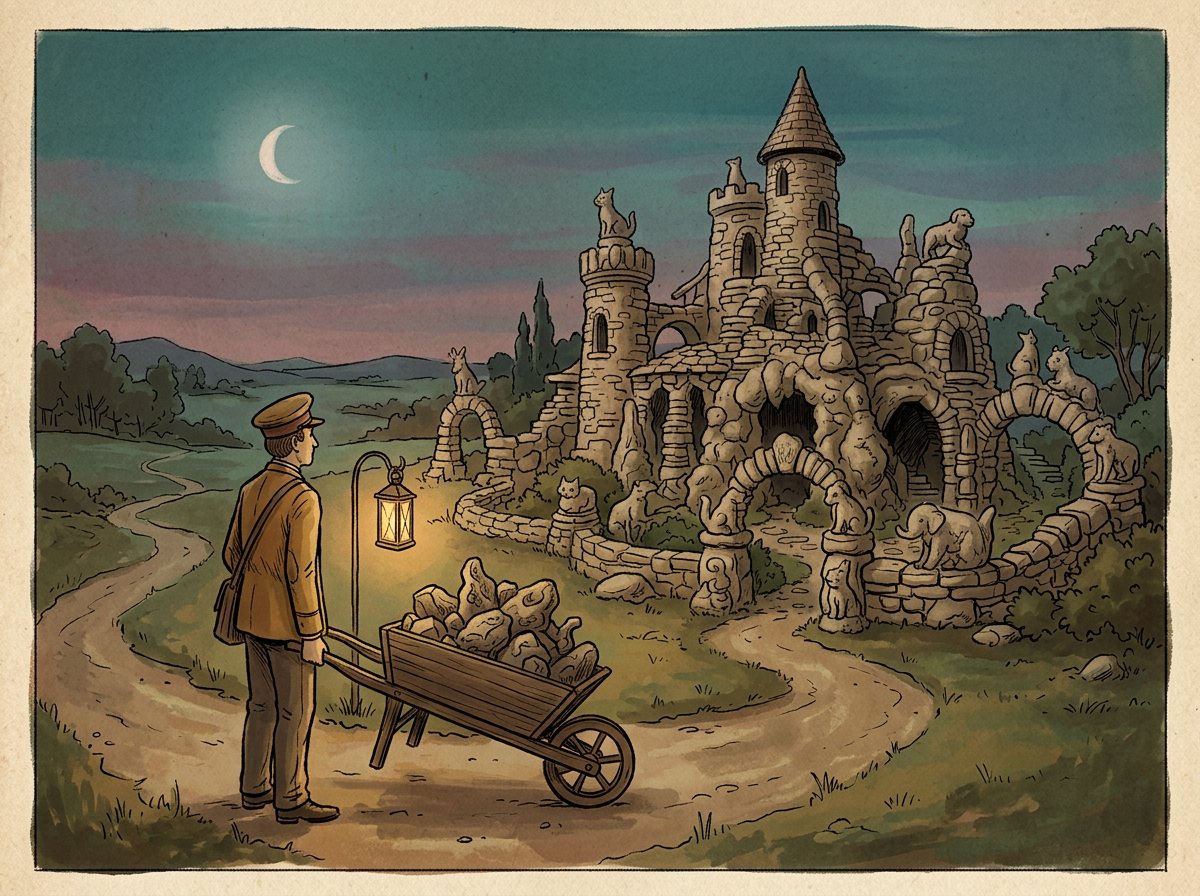
In April 1879, a rural postman named Ferdinand Cheval stumbled on a strangely shaped stone on his mail route near Hauterives in southeastern France. He picked it up, came back for more, and then kept coming back — for 33 years, hauling stones home in his pockets, a basket, and finally a wheelbarrow, and building by lamplight after walking some 30 kilometres a day. Neighbours thought he had lost his mind as towers, grottoes and stone animals rose in his garden. He finished his "Palais Idéal" in 1912, then spent eight more years building his own tomb.

In 1969 France declared the amateur postman's palace a protected historic monument.

#history #travel

🕵️ The Crime Writer Who Vanished for 11 Days

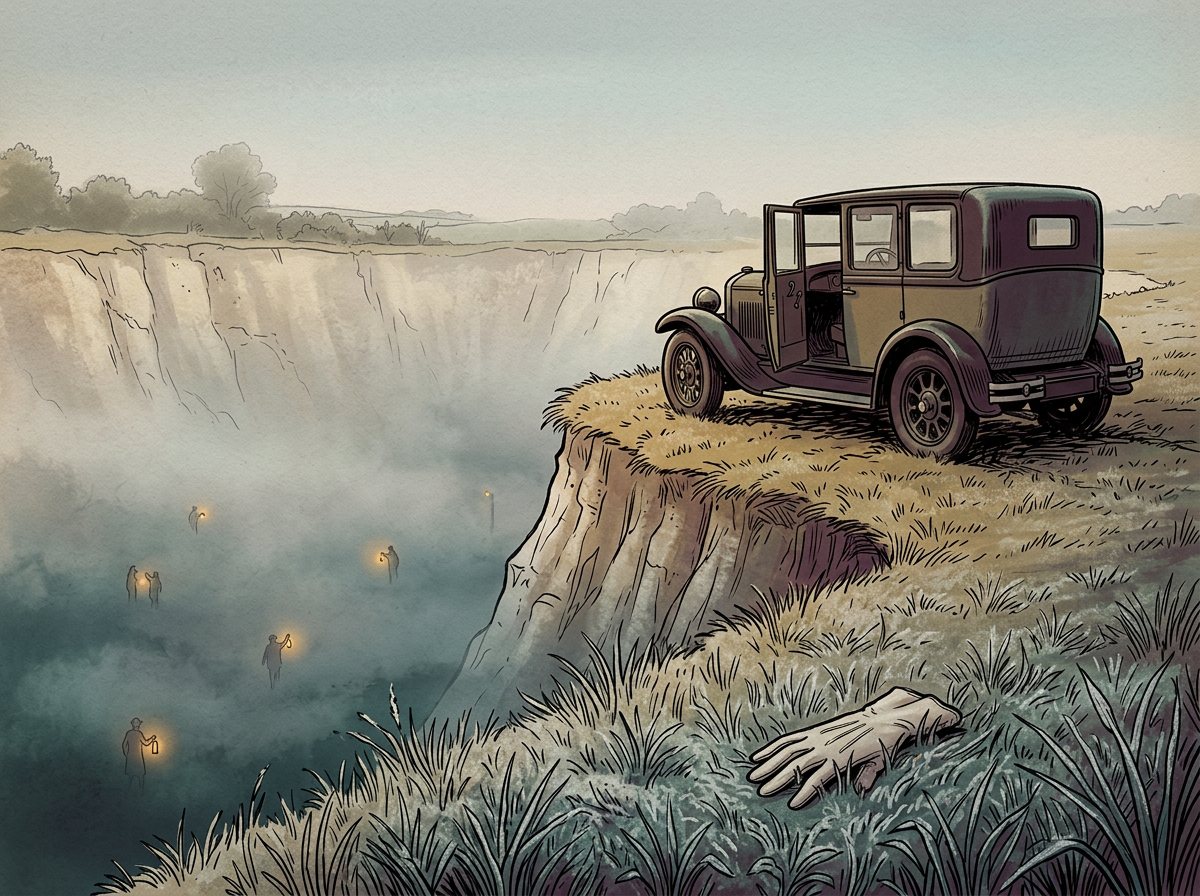
On 3 December 1926, Agatha Christie left her home in Sunningdale, Berkshire, and drove off into the night; her car was found the next morning abandoned near a chalk pit at Newlands Corner in Surrey. Hundreds of police and thousands of volunteers combed the countryside, the newspapers ran wild, and Arthur Conan Doyle reportedly took one of her gloves to a medium in the hope of a psychic lead. Eleven days later she was recognised at a hotel in Harrogate, Yorkshire, where she had checked in as "Mrs Teresa Neele" — Neele being the surname of her husband's mistress. Her marriage was collapsing and her mother had died that year; beyond that, accounts differ, with explanations ranging from amnesia to a breakdown.

She never publicly explained a single day of it.

#history #mystery

🌌 The Night the Telegraph Ran Without Batteries

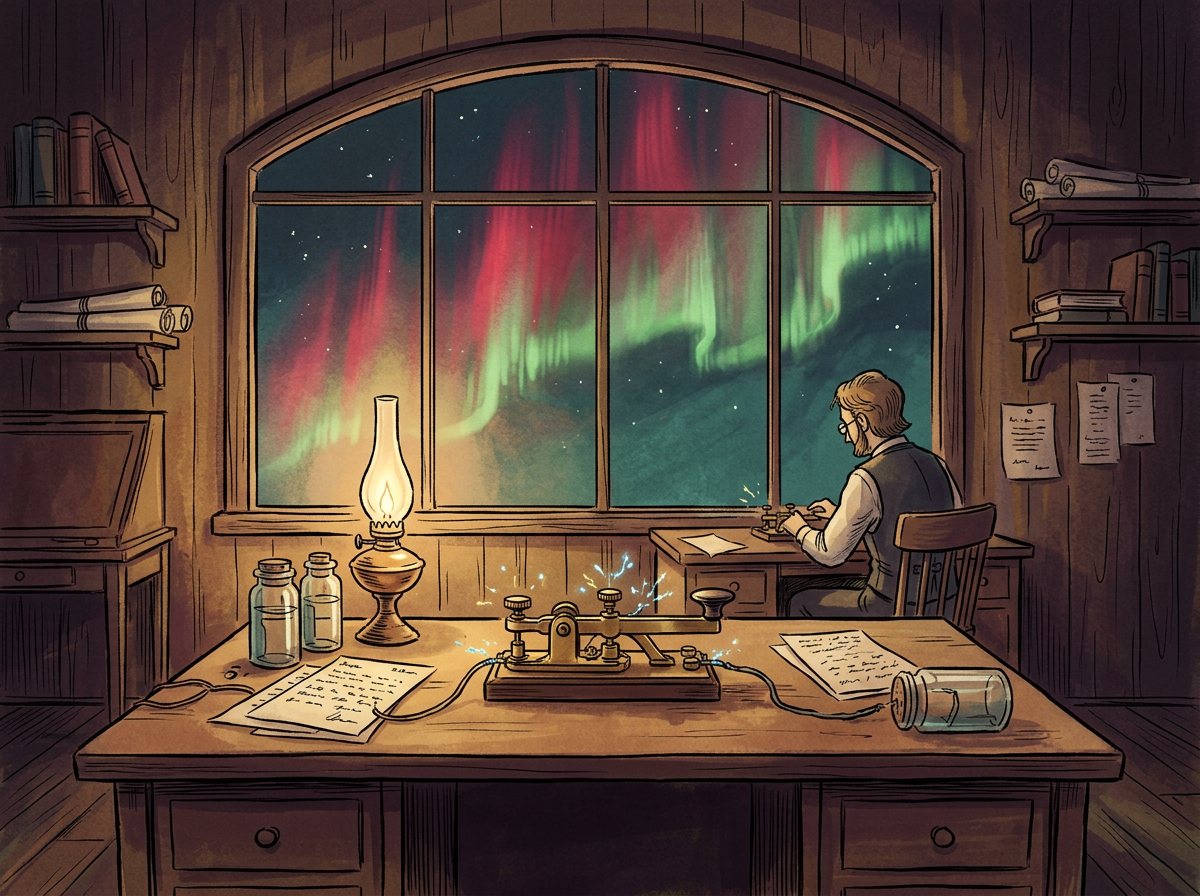
On 1 September 1859 the English astronomer Richard Carrington was sketching sunspots when a brilliant white flash erupted on the Sun's face and faded within minutes. Hours later the sky lit up: auroras blazed as far south as Cuba and Hawaii, bright enough that people reported reading by their glow in the middle of the night. Telegraph networks in Europe and North America went haywire, and accounts from the time describe sparks jumping from equipment and setting paper alight. Strangest of all, two operators in Boston are said to have disconnected their batteries completely and carried on exchanging messages, powered only by the current the storm had pushed into the wires.

In 1859, the worst a solar superstorm could wreck was a telegraph office.

#history #science

🖼 The Thief Who Made the Mona Lisa Famous

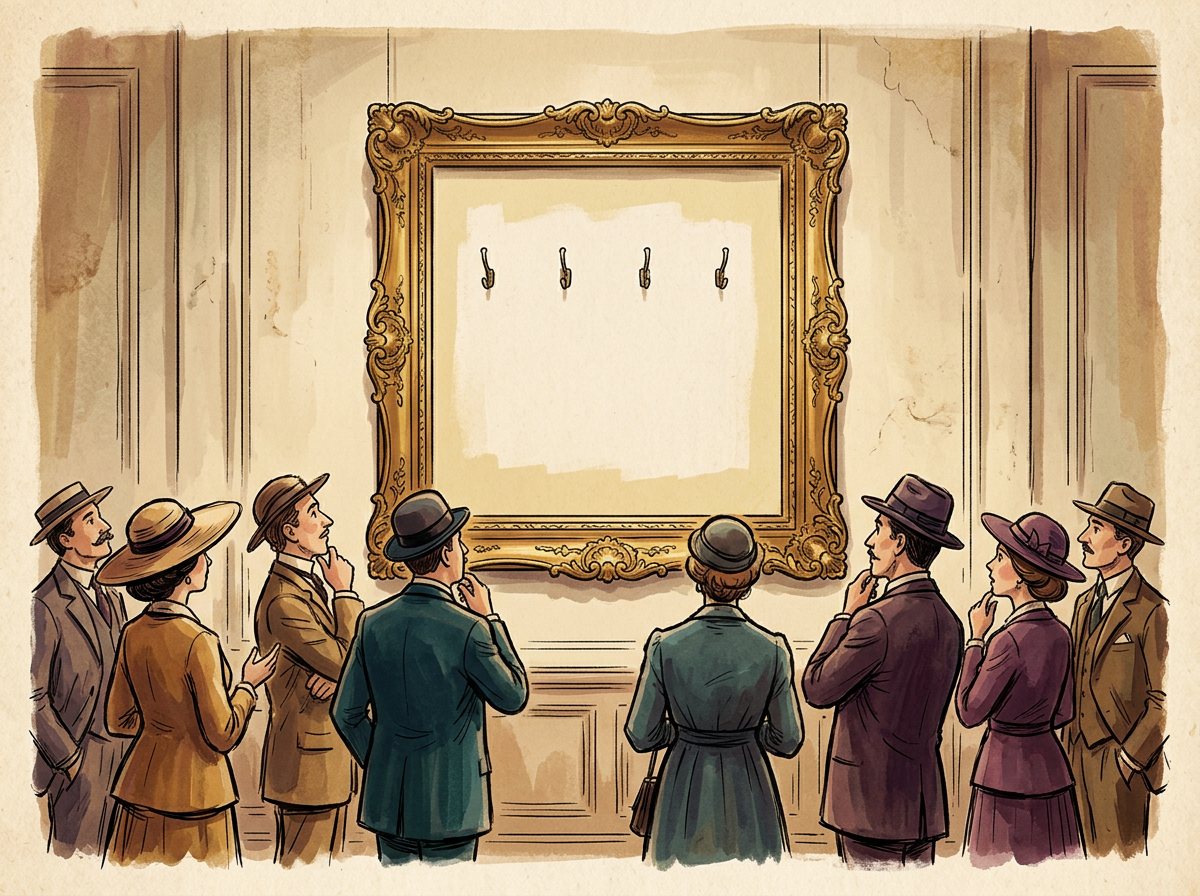
On 21 August 1911 the Mona Lisa disappeared from the Louvre, and nobody raised the alarm for a day — staff assumed it had gone to the photography studio. The thief was Vincenzo Peruggia, an Italian handyman who had worked on the painting's protective glass case; he simply took it off the wall and carried it out. For two years it sat in his Paris lodgings while crowds queued at the Louvre to stare at the empty space, and the police questioned the poet Guillaume Apollinaire and Pablo Picasso. In 1913 Peruggia offered it to a Florence art dealer, saying he wanted it returned to Italy, and was arrested.

Before the theft it was one admired painting among many. It came back the most famous painting in the world.

#history

🐖 The War Where Only a Pig Died

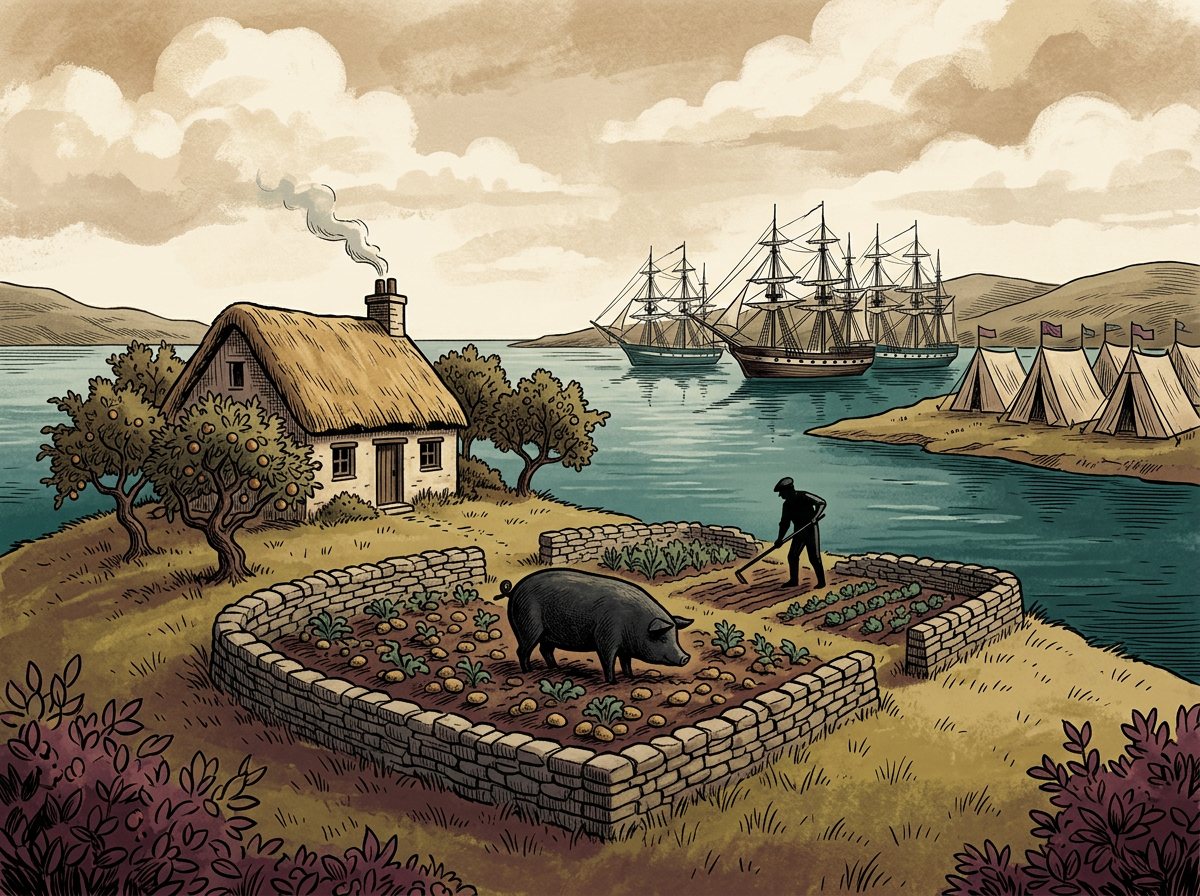
In June 1859 an American farmer named Lyman Cutlar shot a black pig that was eating potatoes in his garden on San Juan Island, off the coast of what is now Washington State. The pig belonged to the Hudson's Bay Company, and both Britain and the United States claimed the island — so the quarrel escalated fast, until hundreds of American soldiers under Captain George Pickett faced British warships across the water. The British admiral on the scene, Robert Baynes, is said to have refused to fight over a squabble about a pig, and no shot was ever fired at a human being. The two countries jointly occupied the island for twelve years, and in 1872 Kaiser Wilhelm I of Germany was asked to arbitrate; he awarded the San Juans to the United States.

Total casualties of the Pig War: one pig.

#history

🛢️ She Went Over Niagara for Her 63rd Birthday

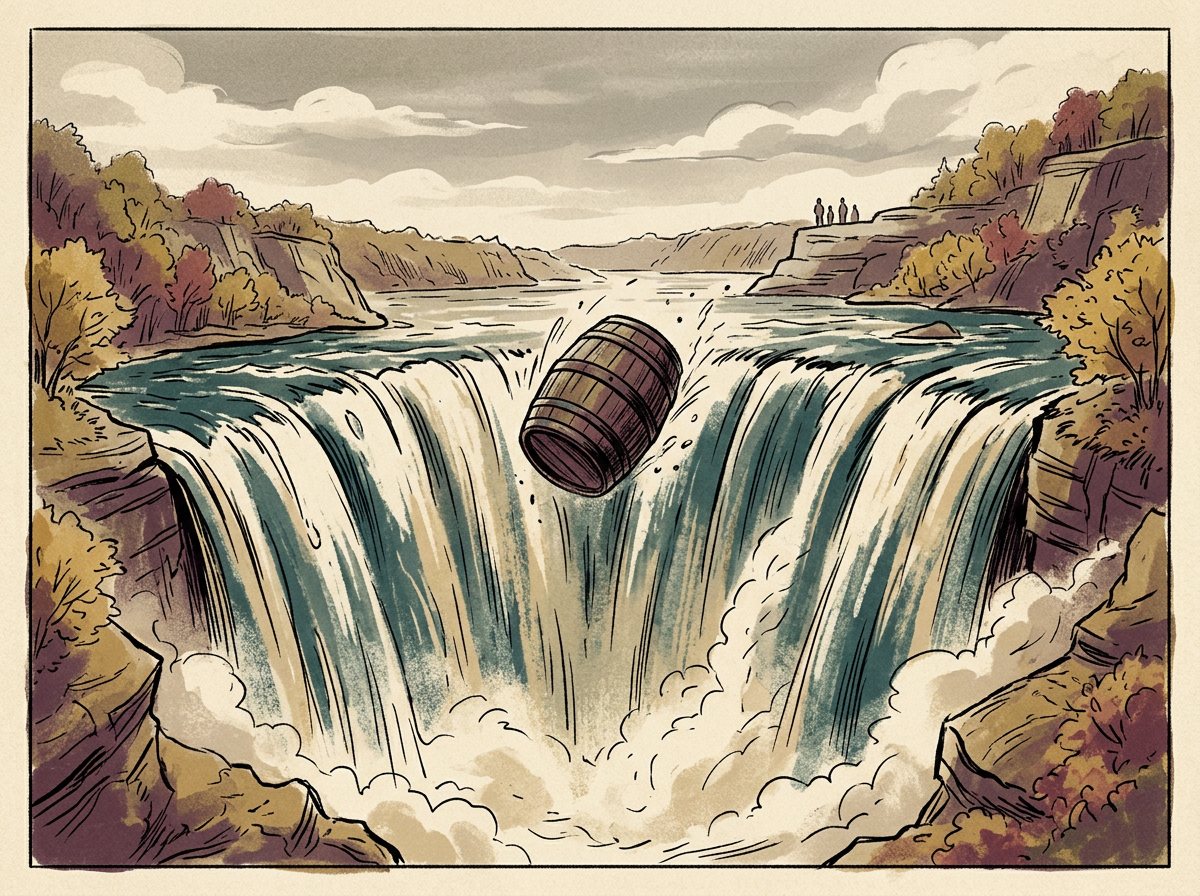
On 24 October 1901, a widowed schoolteacher named Annie Edson Taylor climbed into an oak-and-iron barrel above Niagara Falls, hoping fame would rescue her from poverty. It was her 63rd birthday, and she had tested the barrel first by sending a cat over the falls — the animal reportedly survived. Taylor was cut loose, swept over the Horseshoe Falls, and pulled from the water not long after, dazed and bleeding from a gash on her head, but alive — the first person known to survive the drop. Accounts say she warned that she would rather face a cannon than do it again.

The stunt never made her rich: she spent her last years selling souvenirs beside the falls and died with almost nothing.

#history #travel

🚢 The Warship That Sank 1,300 Metres Out

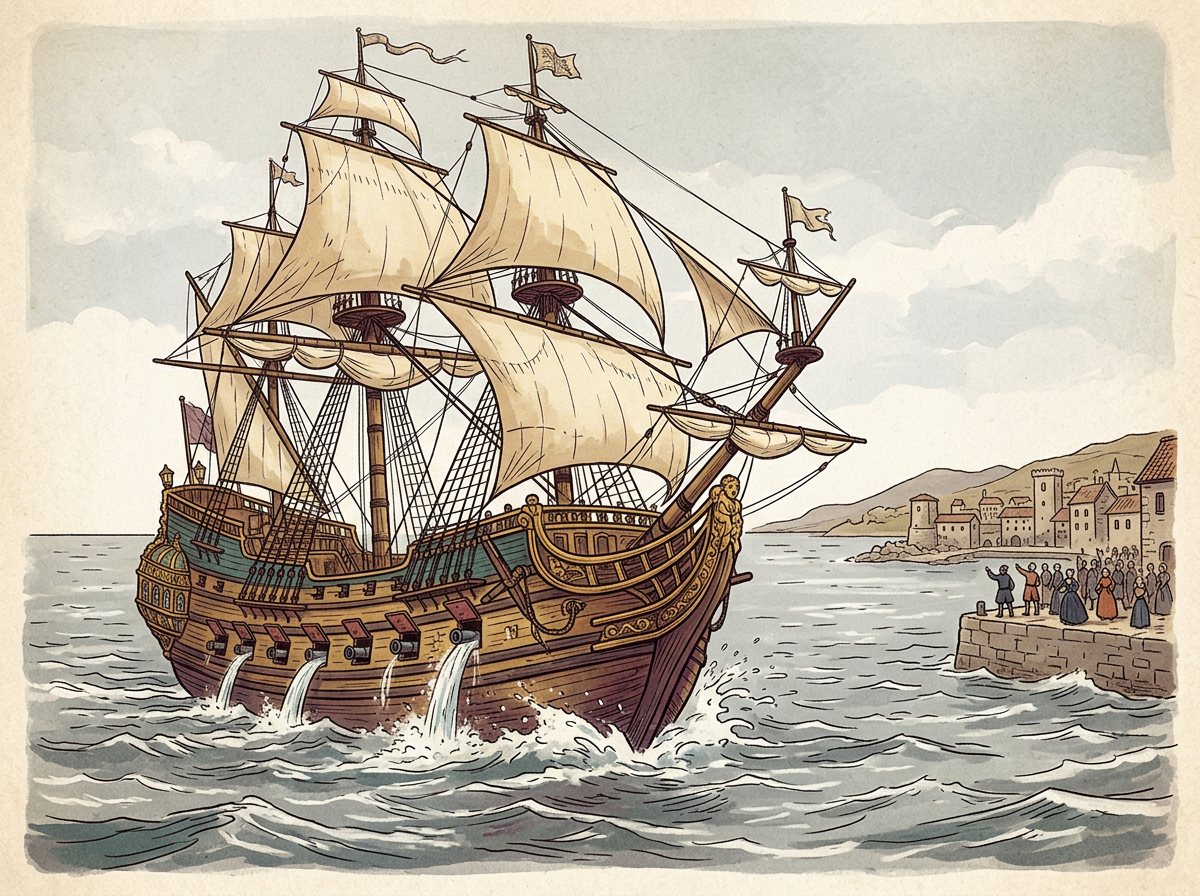
On 10 August 1628 the Vasa, the proudest warship of the Swedish navy, left Stockholm on her maiden voyage with gun ports open and salutes firing. A light gust caught her sails, she leaned over, water poured through the ports, and she sank in full view of the crowd after sailing barely 1,300 metres. Around 30 people drowned; the inquiry that followed punished nobody, since the king himself had approved the top-heavy design. Weeks earlier, sailors had run back and forth across her deck as a stability test — it was stopped after three runs because the ship rocked so alarmingly, and she sailed anyway.

In 1961 she was raised from the harbour mud almost intact, and today millions visit the ship that failed in minutes.

#history

🌊 The Wave That Stripped a Mountain Bare

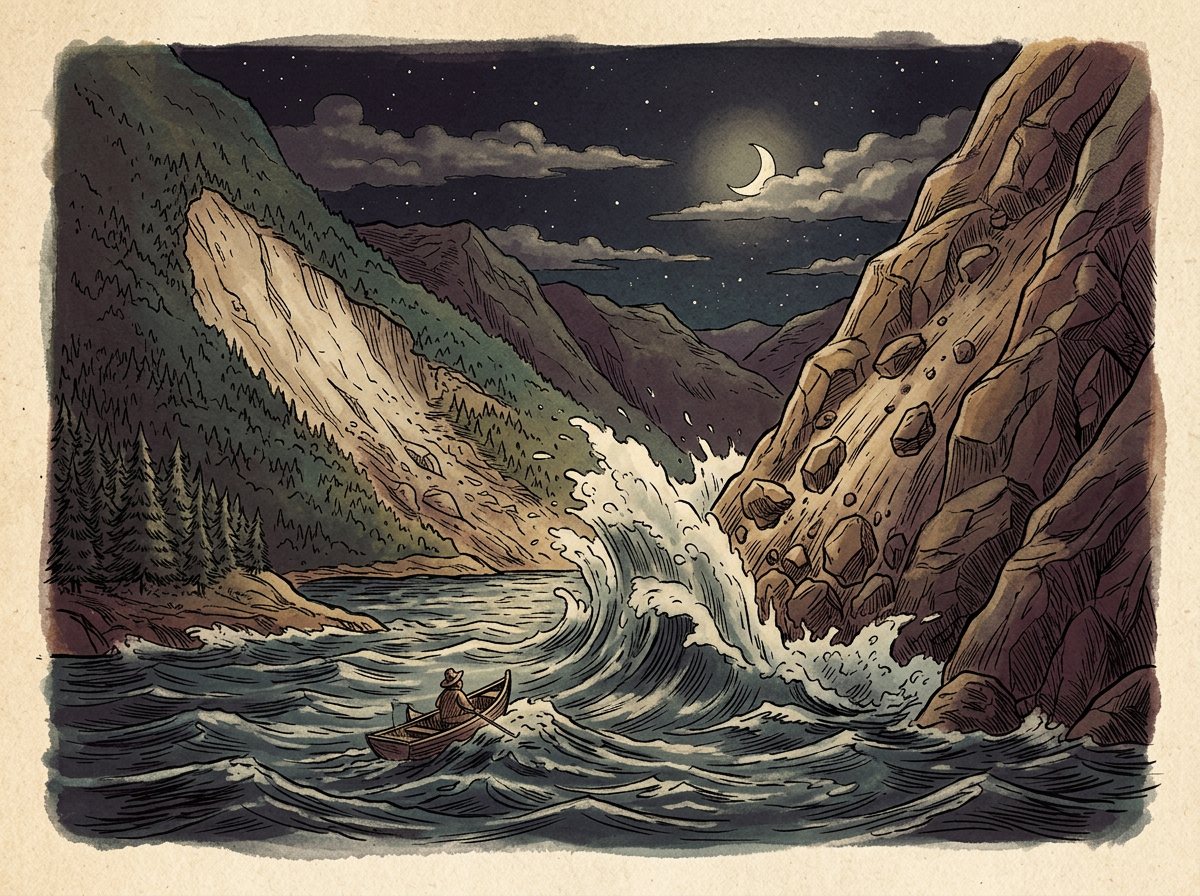
On the night of 9 July 1958, an earthquake shook Alaska's Fairweather Fault and shook loose a mountainside above Lituya Bay. The rock crashed into the narrow inlet and pushed out a wall of water that tore trees and soil off the opposite slope up to 524 metres above sea level — the highest wave ever recorded. Fisherman Howard Ulrich and his young son were anchored in the bay; they rode the swell up over the water in their boat and lived to describe it. Another boat, accounts say, was carried clean over a wooded spit and out to the open sea, its crew surviving too.

The bare strip on the mountain, the "trimline", was still visible from the air for decades afterwards.

#history #nature

orbeo.me · мессенджер без номера телефона