Strange StoriesОткрыть в Orbeo

🏝️ The Sailor Who Lived on a Rock

In 1864, a Spanish sailor named José María de Jesús was shipwrecked on a barren rock in the Pacific Ocean, barely 200 square meters across. For five years, he survived on rainwater, seabirds, and shellfish, completely alone. When a passing ship finally spotted him in 1869, the captain initially thought he was a ghost—the man had grown wild and barely spoke. José María lived another 40 years after his rescue, but never fully adjusted to civilization.

Some say he spent his final years staring at the sea.

#history #mystery
🚢 The Doctor Who Hid Below Deck

In 1912, Dr. Henry Frauenthal boarded the Titanic as a first-class passenger. When the ship struck the iceberg, he helped load lifeboats—then made a fateful choice. He and his brother jumped into Lifeboat D as it descended, adding extra weight to an already crowded boat. The lifeboat hit the water hard, nearly capsizing, and Frauenthal was briefly thrown overboard before being pulled back in by other passengers. He survived, but his decision to jump put the lifeboat's 60 occupants at serious risk.

One of history's most famous disasters, decided in seconds.

#history #mystery

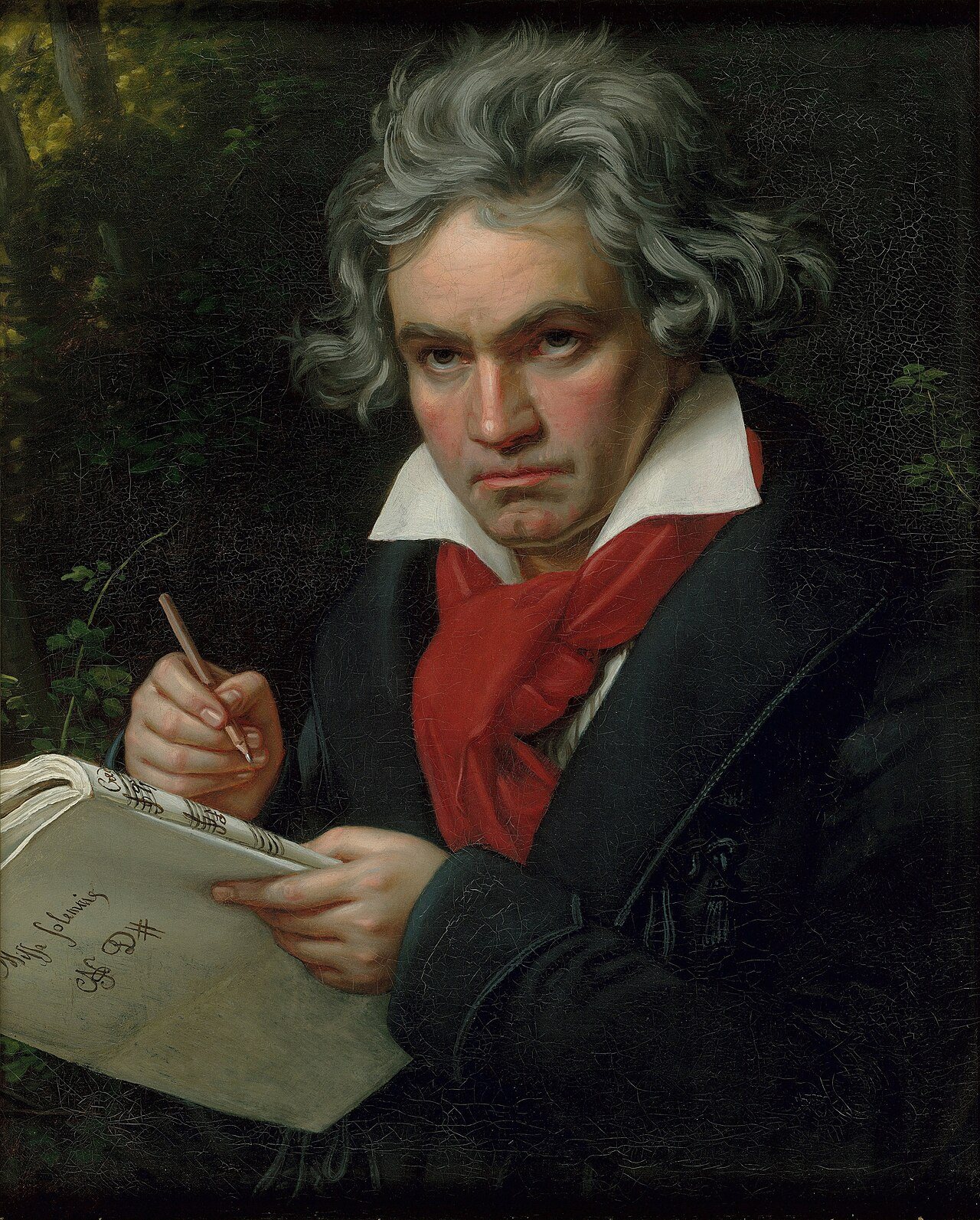
🎼 Beethoven Wrote His Greatest Work While Completely Deaf

Ludwig van Beethoven began losing his hearing around 1798 at age 28—a catastrophe for any musician. By 1814, he was almost entirely deaf, yet he composed some of his most complex and emotionally powerful works during this period, including his Ninth Symphony. He used conversation books to communicate, writing questions and answers on paper with visitors. The Ninth Symphony premiered in Vienna on May 7, 1824, to thunderous applause—but Beethoven, conducting from the stage, heard nothing. An orchestra member had to turn him around to see the audience's standing ovation.

He never heard a note of his final masterpiece.

#history #music

🏰 The Woman Who Became a Queen

In 1558, a young noblewoman named Njinga was sent to negotiate with Portuguese slave traders on behalf of her Angolan kingdom. When the Portuguese commander refused to offer her a seat—a deliberate insult—she sat on her servant's back instead, turning humiliation into power. She learned their tactics, converted to Christianity strategically, and returned home to become ruler. Over 40 years, Njinga outmaneuvered three empires, switched alliances brilliantly, and became one of Africa's greatest military commanders, protecting her people from the slave trade.

She died in 1663, still ruling.

#history #travel

🏥 Dr. Norman Shuway Operated on His Own Heart

In 1962, heart surgeon Dr. Norman Shuway of Stanford University felt chest pain during a routine day at work. Rather than call another surgeon, he decided to perform cardiac catheterization on himself—threading a thin tube into his own heart while conscious to diagnose the problem. He lay on the table, guided the catheter through his own vessels, and identified a blockage. The procedure was risky and unconventional, but it worked. Shuway lived another 40 years, proving that sometimes the best person to trust with your life is yourself.

He never actually needed open-heart surgery—the catheterization was enough.

#history #science

⚡ The Day the Sky Caught Fire

On September 1, 1859, astronomers watching the sun saw an enormous explosion of light. Two days later, Earth's magnetic field was hit by a wave of charged particles traveling at millions of miles per hour. Telegraph systems across the world sparked, caught fire, and went haywire—operators reported getting shocked, and some machines sent messages with no one touching them.

If it happened today, it would cripple power grids, satellites, and communications worldwide. We came terrifyingly close to total blackout—and most people never heard about it.

#history #science

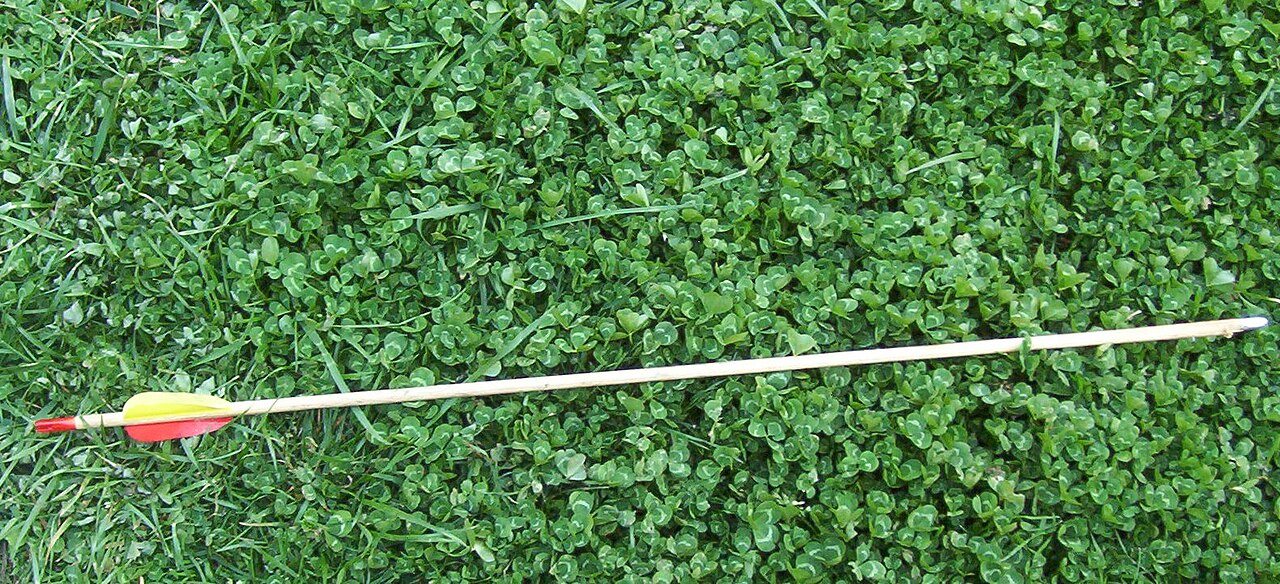
🐦 An Arrow Proved Birds Travel Miles

In 1822, a white stork was shot down in Mecklenburg, Germany—with an African arrow lodged in its body. The bird had survived the injury and somehow made it back north. This single discovery gave scientists their first solid proof that birds migrate between continents, not simply hibernate or disappear into caves as many believed.

The arrow's origin couldn't be pinpointed exactly, but the stork's journey revealed an astonishing truth: these creatures undertake epic voyages across the world, year after year. One small wound changed how we understood animal behavior forever.

#history #nature

🏥 A Surgeon Operated Without Seeing

In 1961, Dr. Robert Liston of London performed a complex surgical procedure while completely blind—by choice. He had developed a revolutionary technique using only touch and spatial memory, guiding his instruments with precision through feel alone. His colleagues watched in amazement as he successfully completed the operation without a single error. Liston believed that removing sight forced a surgeon to develop heightened tactile awareness and sharper focus. The procedure proved his theory, though the technique never became standard practice.

Sometimes losing one sense reveals gifts in others.

#history #science

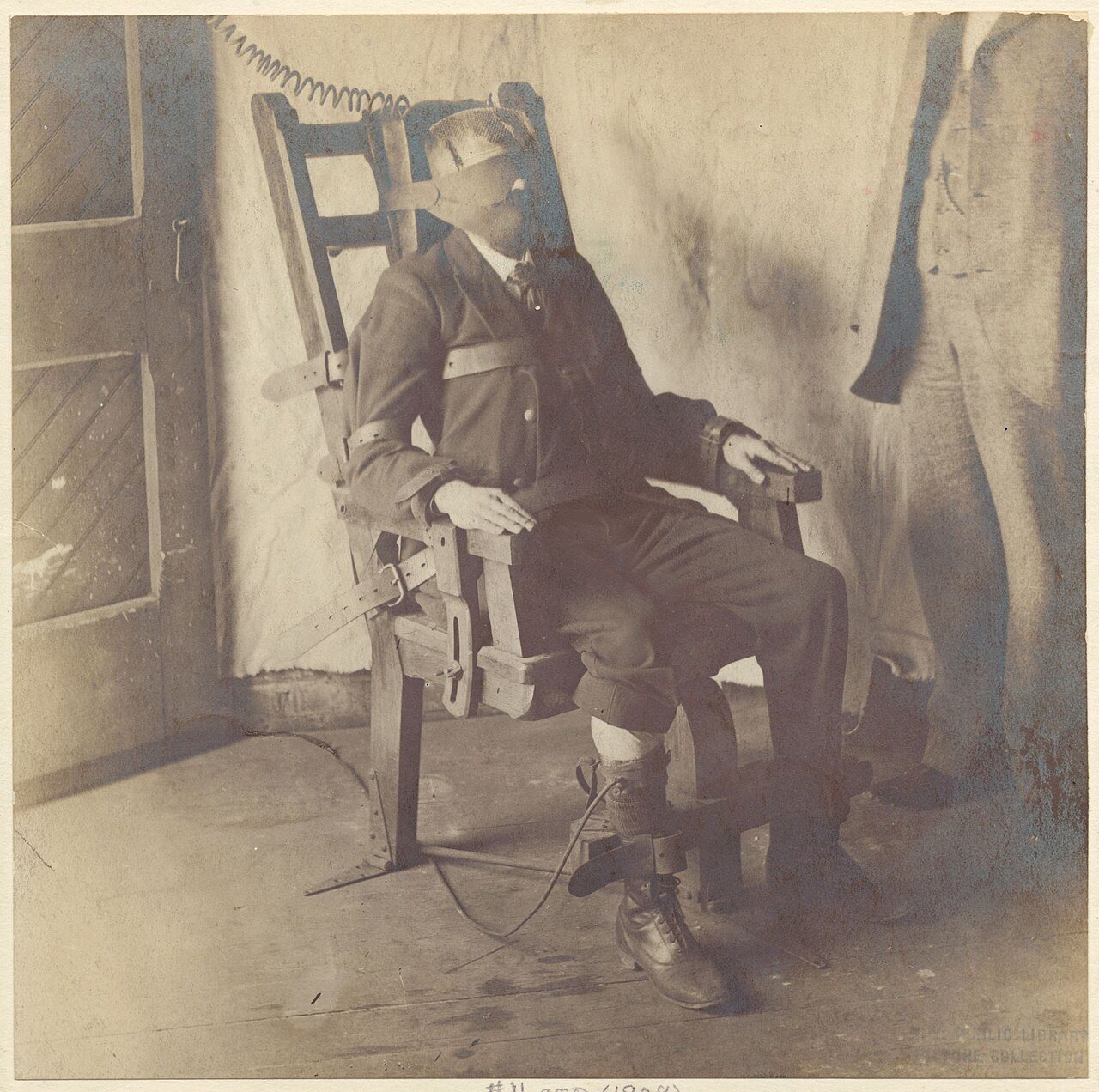
🐘 Topsy the Elephant Was Electrocuted—Then Put on Trial

In 1903, Topsy was a performing elephant at Coney Island who had killed three men, including a trainer who fed her a lit cigarette. Facing public outcry, the owners decided she had to die. Rather than shoot her, they chose electrocution—a grim spectacle that drew thousands of onlookers. Thomas Edison's company filmed it, hoping to prove AC current was deadlier than their rival's DC. Topsy was strapped with electrodes and killed in seconds.

She remains the only elephant in American history executed by electric chair.

🔭 Blind Stargazer Mapped the Heavens

Caroline Herschel was born in Hanover in 1750, going blind from typhus as a child. Yet she became one of history's greatest astronomers, working alongside her brother William in Bath, England. Using only touch and memory, she catalogued over 560 stars and discovered eight comets—earning her a place in the Royal Society's records. She spent 50 years at the telescope, navigating by feel alone.

When she died at 97, the Royal Astronomical Society honored her with a gold medal.

#history #science

🏥 Surgeon Operated on His Own Spine

In 1961, Dr. Sam Sheppard, a neurosurgeon, discovered he had a ruptured disc pressing on his spinal cord. Rather than trust another surgeon's hands, he decided to operate on himself. Lying face-down on an operating table with a mirror angled above, he carefully removed the damaged disc from his own spine while under local anesthesia. He survived the procedure and returned to his practice, though accounts of the full details remain sparse in medical records.

Sometimes the best doctor really is yourself.

#history #science

🏔️ Blind Man Reaches Earth's Highest Peak

Erik Weihenmayer had been blind since age 13, but in May 2001 he became the first sightless person to stand on Mount Everest's summit. He navigated the treacherous 8,849-meter climb using a rope system with guides and audio feedback, moving through the death zone where oxygen is so thin most people hallucinate. His team faced avalanches, crevasses, and extreme cold, yet Weihenmayer relied on touch, sound, and pure determination to reach the top.

He later summited the highest peaks on all seven continents.

#history #nature

🌍 A Blast That Flattened 80 Million Trees

On June 30, 1908, something exploded over a remote forest in Siberia with the force of 1,000 atomic bombs. An area twice the size of London was instantly leveled—80 million trees fell in the same direction, all pointing away from the blast center. Yet there was no crater, no confirmed meteorite, and no one nearby to witness it. Scientists still debate whether it was a meteor, comet, or something else entirely.

The explosion went largely unnoticed by the world for years because so few people lived there.

#history #mystery #science

🎻 The Violinist Playing Under Fire

Warsawborn violinist Wanda Wiltkomirska was 19 when the Nazis occupied Poland in 1939. Rather than flee, she stayed and performed in secret concerts for Jewish families hiding in the ghetto, risking her life at every performance. After the war, she became an internationally celebrated soloist, recording for decades and refusing to let occupation silence her art.

She played not to entertain, but to prove humanity still existed.

#history #music

🦞 The Lobster That Became a Celebrity

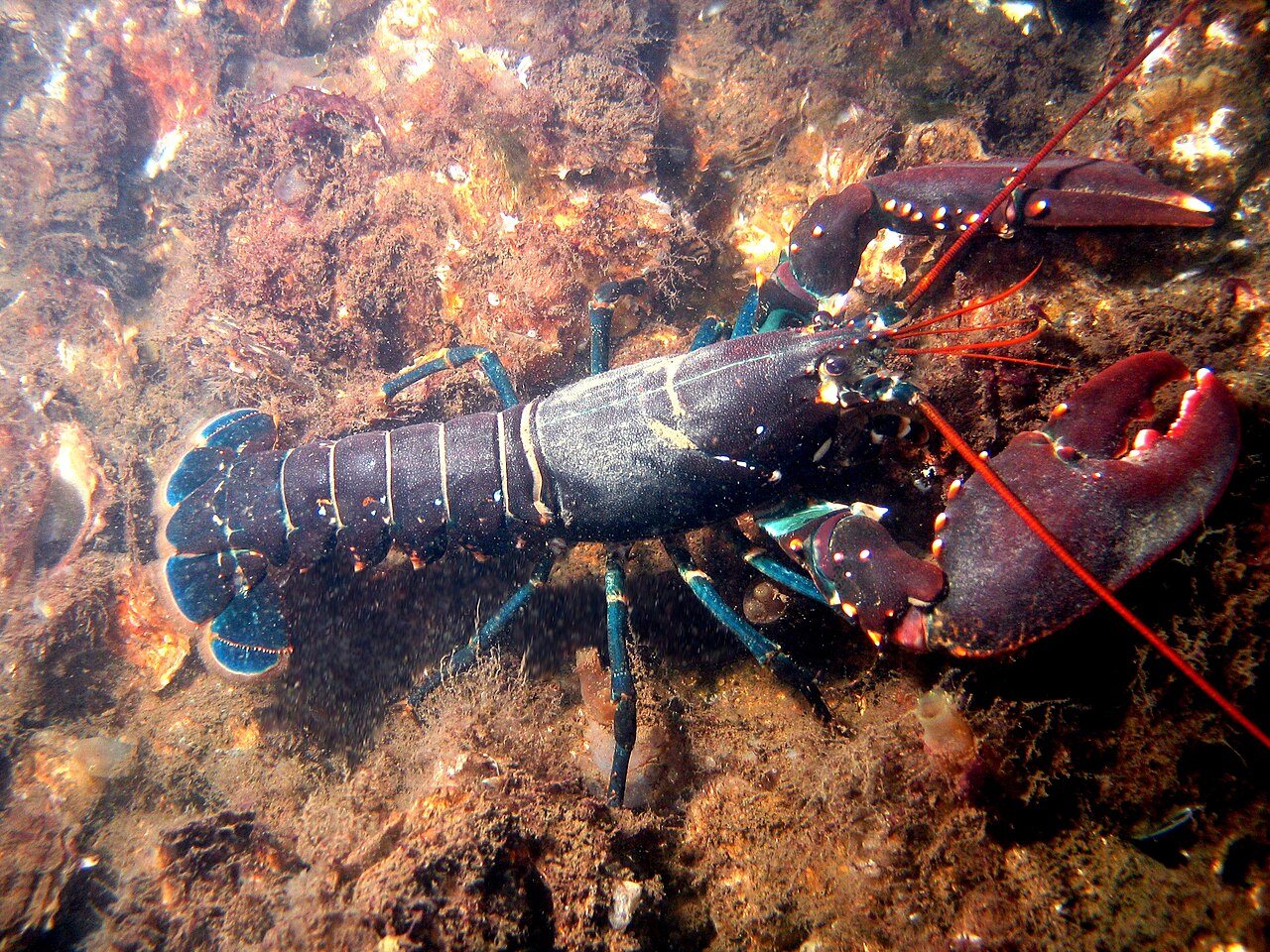
In 2014, a massive blue lobster arrived at a seafood restaurant in New York. Its unusual color—caused by a rare genetic mutation—made it so famous that the restaurant decided not to cook it. Instead, they named it Toby and kept him as a tank resident for years. Visitors came specifically to see the one-in-two-million blue crustacean, and he became a local legend.

Toby proved that even the most unexpected creatures can capture human hearts.

#nature #mystery

🕊️ The Pigeon That Crossed an Ocean

In 1931, a pigeon named Cher Ami II was released from a ship 1,200 miles east of New York. The bird, banded for tracking, was meant to test migration patterns. Instead, it flew west—directly into a hurricane. Two weeks later, exhausted and salt-crusted, the pigeon landed on a ship off the coast of Massachusetts. It had survived the Atlantic crossing and violent weather that would have killed most creatures.

The feat helped scientists understand how birds navigate impossible distances.

#history #science #nature

🌊 The Kon-Tiki's Impossible Voyage

In 1947, Norwegian explorer Thor Heyerdahl built a balsa wood raft and sailed it 4,300 miles across the Pacific with five companions, no engine, and no modern navigation aids. He wanted to prove that ancient Peruvians could have reached Polynesia on similar vessels—a theory most experts dismissed as fantasy. For 101 days, the crew drifted through storms, sharks, and the open ocean, eating coconuts and fish they caught by hand. They landed safely in the Tuamotu Archipelago, and Heyerdahl's journey became one of history's boldest experiments in proving the possible.

The voyage showed that ancient ocean crossings might have been far more achievable than anyone thought.

#history #travel

🦑 Scientists Filmed a Living Giant

For centuries, the colossal squid existed only in sailors' tales and dead specimens. In 2007, a fishing vessel near Antarctica hauled up a frozen specimen—the first intact one ever found. But the real breakthrough came in 2012, when researchers captured the first-ever footage of a living colossal squid in the deep ocean, hunting in total darkness nearly a kilometer down.

The creature's eyes, the size of dinner plates, were designed to hunt in waters where sunlight never reaches.

#science #nature

🏝️ Rescued After 5 Years Alone

In 1960, an Argentine sailor named José María Córdoba was shipwrecked on an uninhabited island in the South Atlantic. He survived for five years on fish, seabirds, and rainwater, building shelters and keeping meticulous records carved into wood. When a passing ship finally spotted his signal fire in 1965, the crew found him in surprisingly good health—thinner, but alive and mentally sharp. His detailed survival logs later helped scientists understand human resilience in extreme isolation.

Córdoba lived another 40 years after rescue, never returning to sea.

#history #survival

🌉 The Tacoma Narrows Bridge opened in July 1940 and became famous for its graceful, swaying design. Four months later, on November 7th, wind gusts sent it into violent oscillations, and the entire 2,300-meter span twisted and collapsed into Puget Sound. Only one life was lost—a dog left behind in a car.

Engineers rebuilt it stronger. The disaster transformed how we design suspension bridges and taught us that beauty and physics must dance together carefully.

#history #science

orbeo.me · мессенджер без номера телефона