Strange StoriesОткрыть в Orbeo

Архив · страница 1 из 5 · 18 сентября 2026 — 26 сентября 2026

🗼 Three Keepers and a Dark Lighthouse

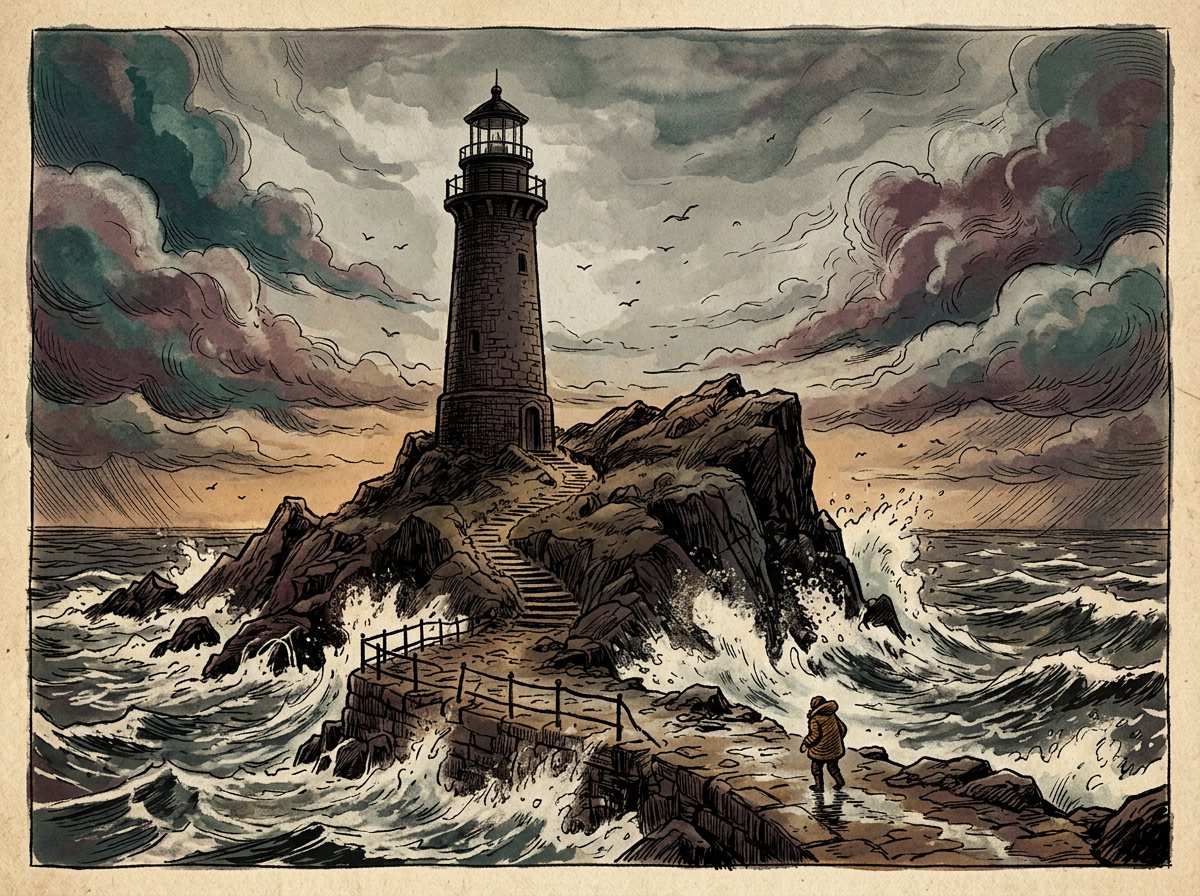
On 26 December 1900 the relief ship Hesperus reached Eilean Mòr in the Flannan Isles, off Scotland's Outer Hebrides, and found the lighthouse dark and the three keepers gone. Inside, everything was orderly: the lamps cleaned and filled, the log written up to 15 December, the door and gate shut. Outside, at the west landing, the sea had torn up iron railings and shifted a heavy stone block, and two of the three sets of oilskins were missing — one man had apparently gone out into a storm without his coat. The official inquiry concluded that James Ducat, Thomas Marshall and Donald MacArthur were swept away by a giant wave while securing gear.

The famous "half-eaten meal and overturned chair" appears nowhere in the records — that detail was added by later storytellers.

#history #mystery
📡 The Nazi Weather Station Hiding in Canada

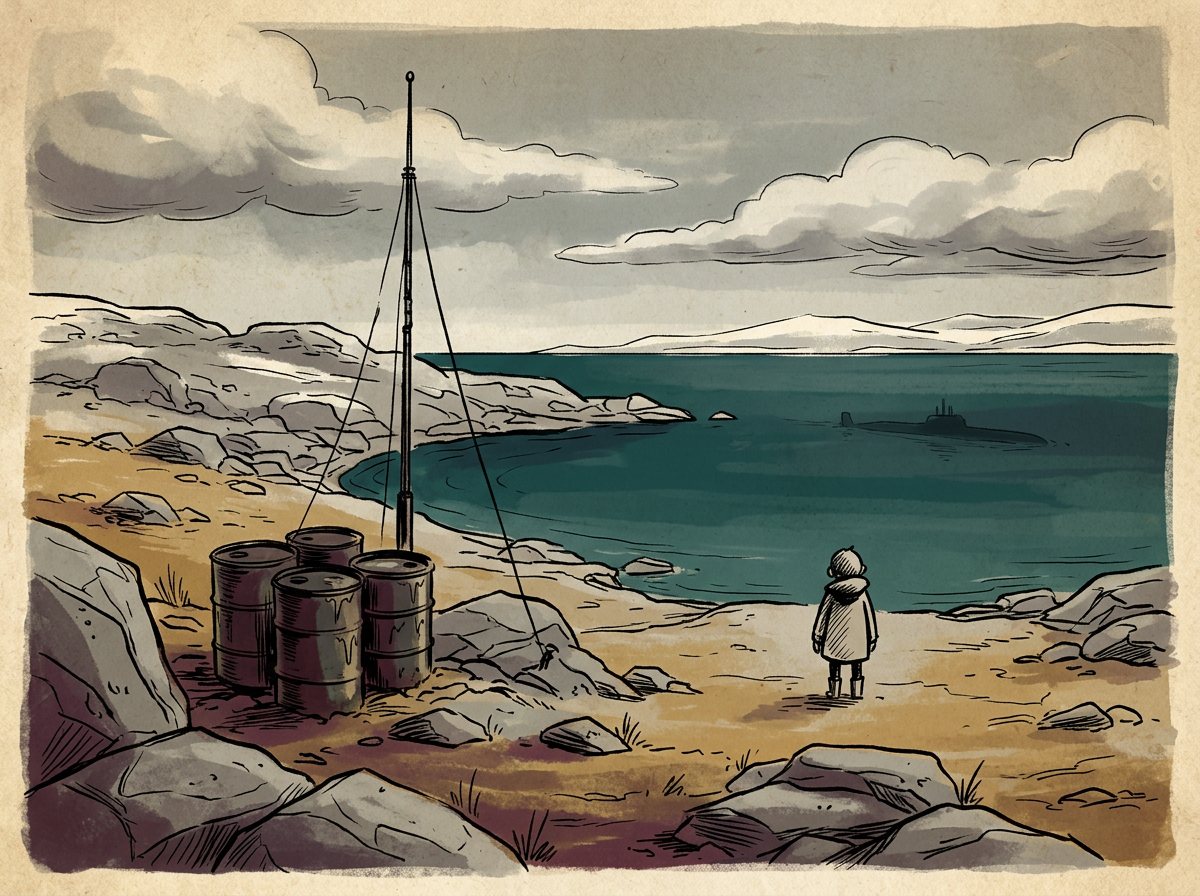
In October 1943, the German submarine U-537 slipped into Martin Bay on the barren northern tip of Labrador, and a small crew hauled ashore a set of canisters, batteries and an antenna. It was an automatic weather station, code-named "Kurt", built to radio Atlantic weather data back to Germany — and its cases were labelled "Canadian Meteor Service" to fool anyone who stumbled on it. The trick worked far better than intended: the station fell silent after a few weeks, and nobody in Canada realised what it was for decades. A geographer noticed the strange equipment in the 1970s, and only in 1981 did an expedition, guided by German naval records, confirm what it really was.

It was the only armed German installation ever placed on the North American mainland.

#history #science

🏺 The Well That Struck an Army

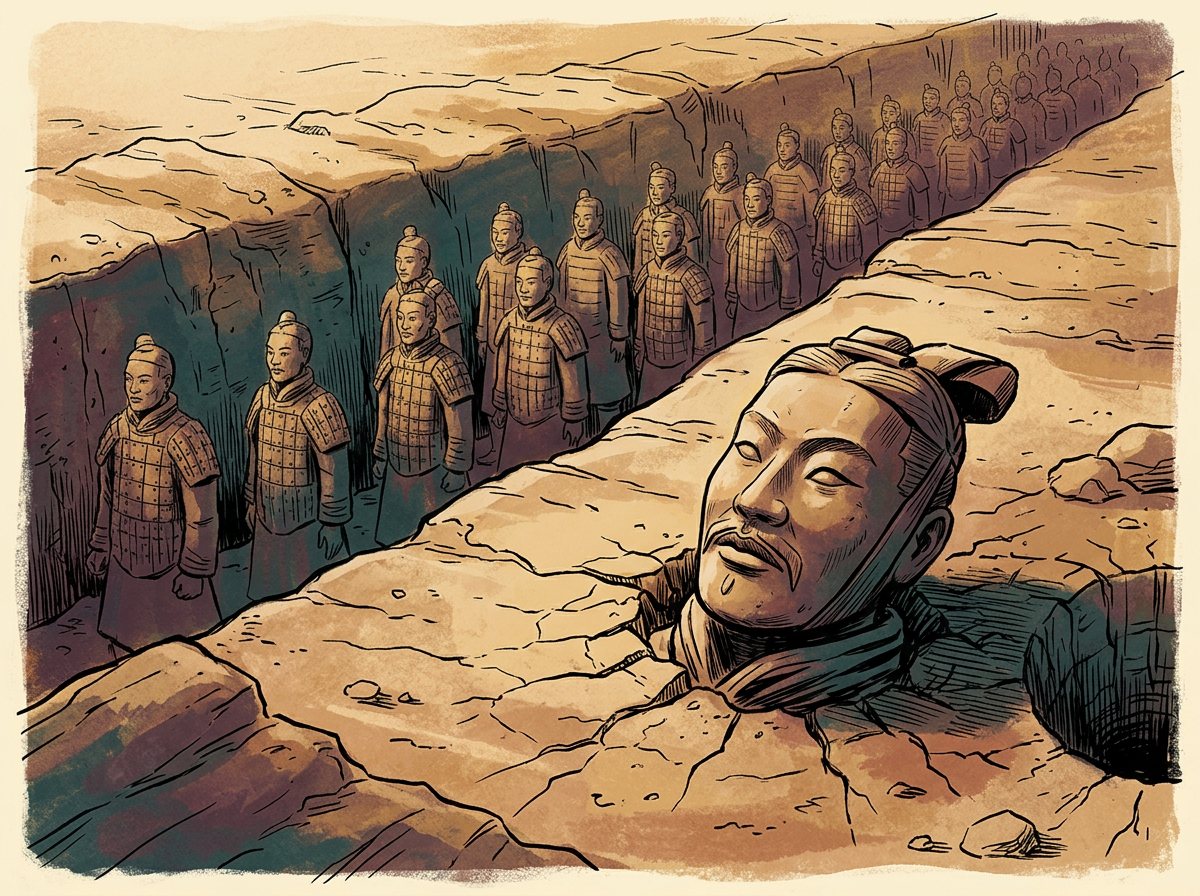
In March 1974, farmers near Xi'an in Shaanxi province, China, were digging a well through drought-hardened ground when their tools struck baked clay — a life-sized head staring up out of the soil. They had broken into the buried guard of Qin Shi Huang, the first emperor of a unified China, who died in 210 BC. Archaeologists have since uncovered thousands of terracotta warriors standing in battle formation, each with a different face, plus horses and chariots. The historian Sima Qian, writing about a century later, described rivers of mercury inside the tomb — and unusually high mercury levels have indeed been measured in the burial mound's soil. The emperor's own burial chamber has still never been opened.

#history #travel

⚡ The Man Lightning Found Seven Times

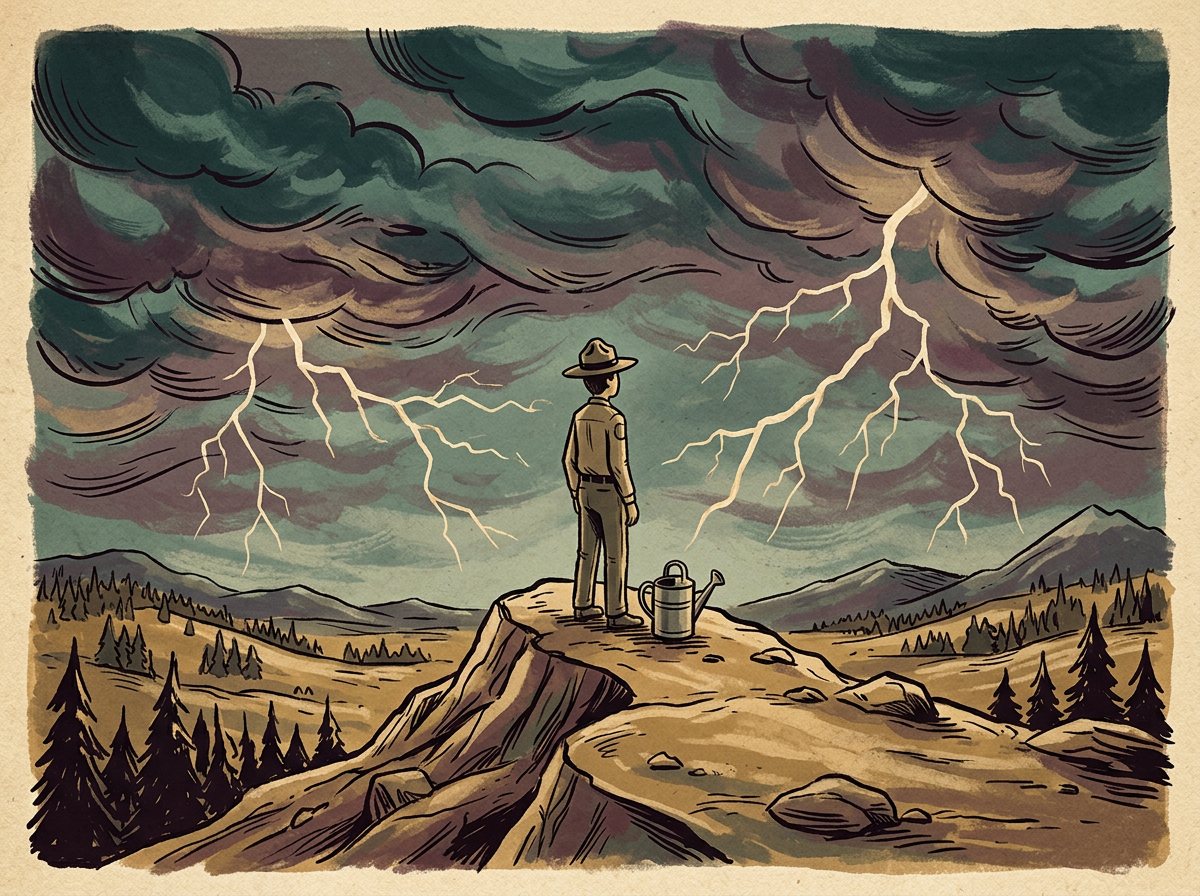
Roy Sullivan was a park ranger in Shenandoah National Park, Virginia, and between 1942 and 1977 he was struck by lightning seven times — all of them survived, all of them recorded. One bolt took the nail off a toe, another set his hair on fire, and he took to carrying a can of water in his truck just in case. Guinness World Records listed him as the human being hit by lightning more often than any other, and fellow rangers reportedly kept their distance when storm clouds gathered. His wife was struck once too, while hanging laundry in the yard.

Sullivan died in 1983 — of causes that had nothing to do with the weather.

#history #nature

🐻 The Bear Who Was Enlisted as a Private

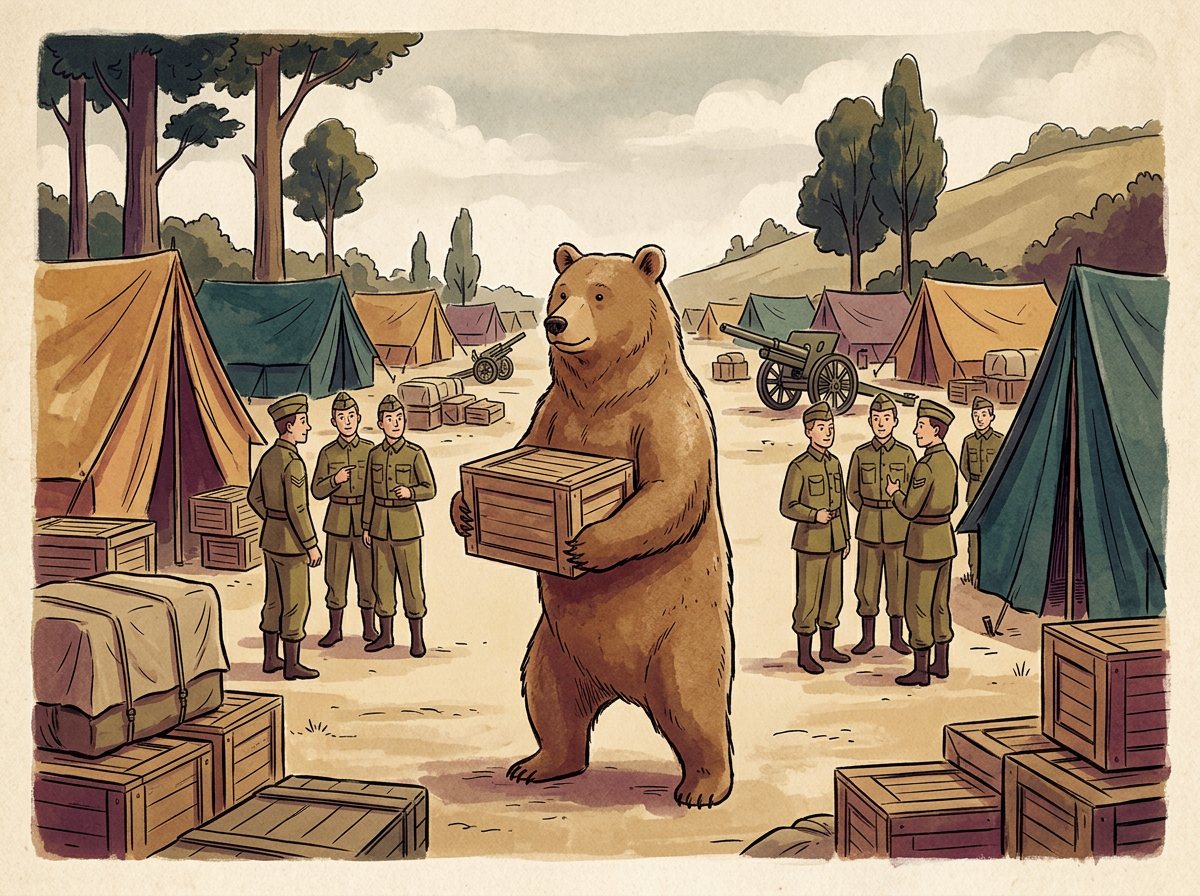
In 1942, Polish soldiers travelling through Iran bought an orphaned brown bear cub from a local boy for a few tins of food. They named him Wojtek, and he grew up in camp drinking condensed milk, then beer, and wrestling with the men. When the unit shipped out to Italy in 1944, British rules allowed no pets aboard — so Wojtek was officially enlisted as a private in the 22nd Artillery Supply Company, complete with paybook and serial number. The story goes that at the battle of Monte Cassino he carried crates of shells to the guns; accounts of exactly what he hauled differ, but his company later put a bear holding a shell on its badge.

After the war he lived out his days in Edinburgh Zoo, where old comrades came to visit him until his death in 1963.

#history

⚙️ Divers Found a Computer From 100 BC

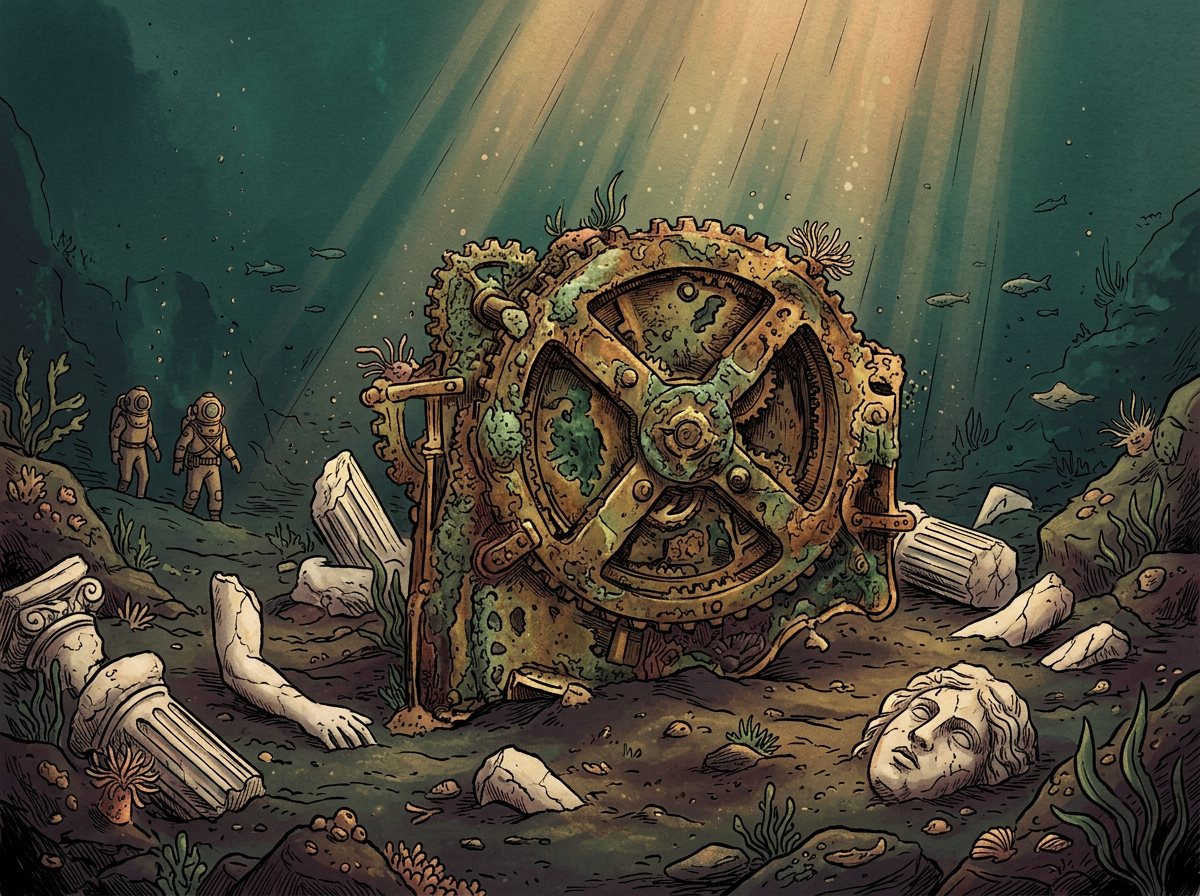
In 1900, sponge divers sheltering from a storm off the tiny Greek island of Antikythera found a shipwreck loaded with bronze and marble statues. Among the treasures shipped to Athens was an unremarkable corroded lump — until 1902, when archaeologist Valerios Stais noticed a toothed wheel inside it. Over the next century, X-rays and CT scans revealed dozens of interlocking bronze gears and Greek inscriptions: a hand-cranked machine that tracked the sun and moon and predicted eclipses. It was built more than 2,000 years ago, and no surviving device of comparable complexity appears again for well over a thousand years.

The statues were the prize. The rusty lump was the real treasure.

#history #science

📦 The Girl Who Travelled as a Parcel

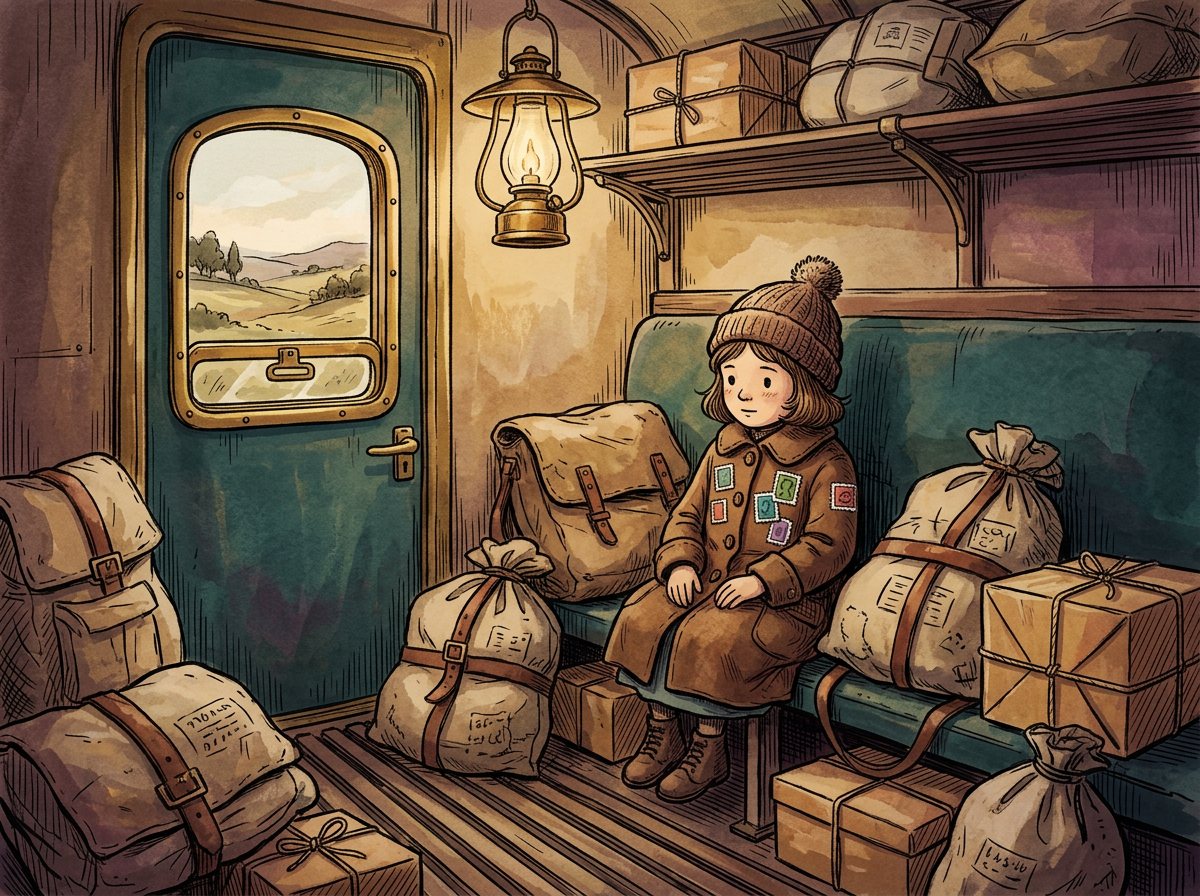
In February 1914, Idaho parents Mr and Mrs Pierstorff wanted to send their small daughter May to her grandmother's house in Lewiston — but the train ticket felt expensive. Parcel post, launched only a year earlier, was cheaper, so they weighed her: she came in just under the 50-pound limit for a package. Her family attached 53 cents in stamps to her coat and put her aboard the mail train, where she rode in the mail compartment under the eye of a railway mail clerk who happened to be a relative. She was duly delivered to her grandmother's door, like any other parcel.

The Post Office later made it explicit: children are not mailable matter.

#history #travel

🎈 The Army That Fought With Inflatable Tanks

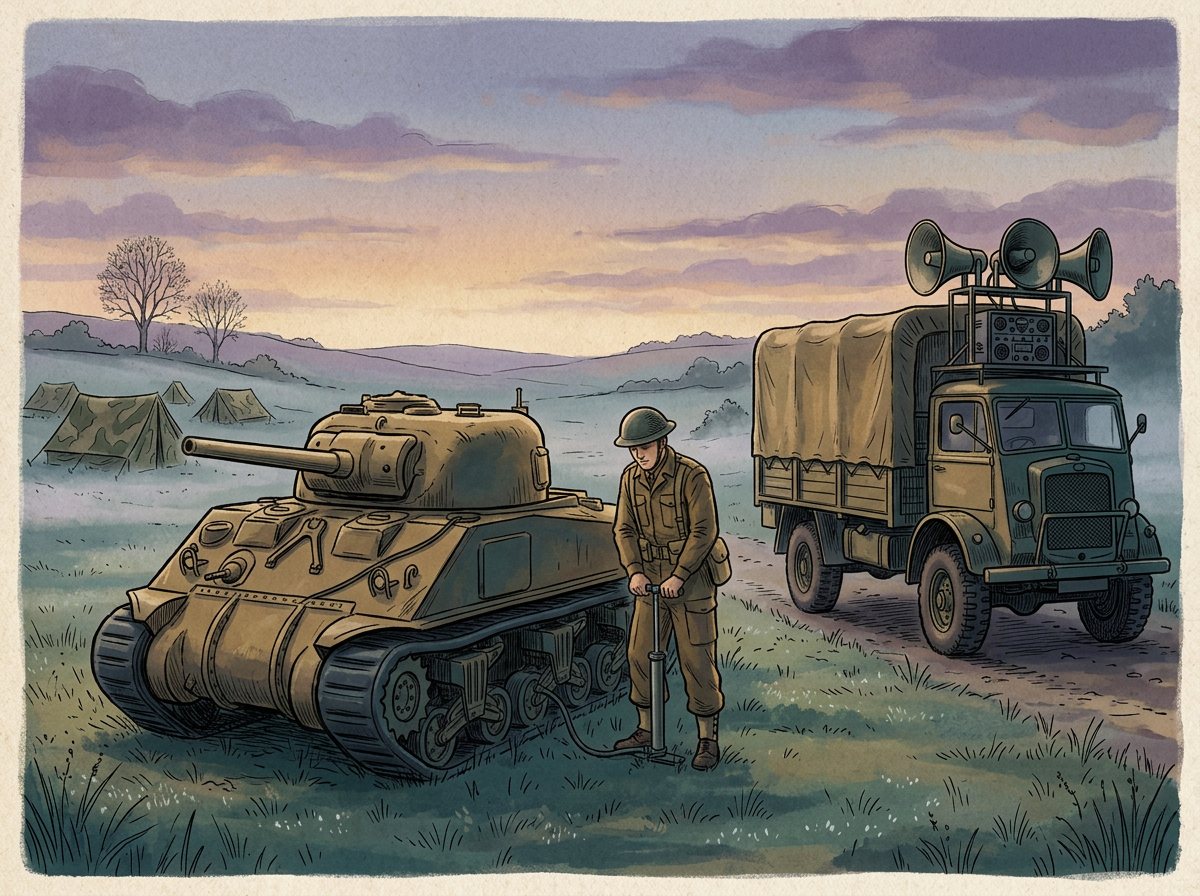
In 1944 the US Army fielded a unit whose main weapons were rubber, plywood and sound. The 23rd Headquarters Special Troops — roughly 1,100 men — inflated dummy Sherman tanks, painted fake insignia on trucks, blasted recordings of rumbling tank columns through huge speakers, and sent phony radio traffic, all to convince German commanders that whole divisions were massing where there was almost nobody. They staged more than 20 such deceptions across Europe, often close to the front with little more than canvas for cover. Many of the men had been recruited from art schools and ad agencies, among them the future fashion designer Bill Blass and the painter Ellsworth Kelly.

Their work stayed classified until 1996; the surviving veterans finally received the Congressional Gold Medal in 2024.

#history

⛵ The Botanist's Assistant Was a Woman

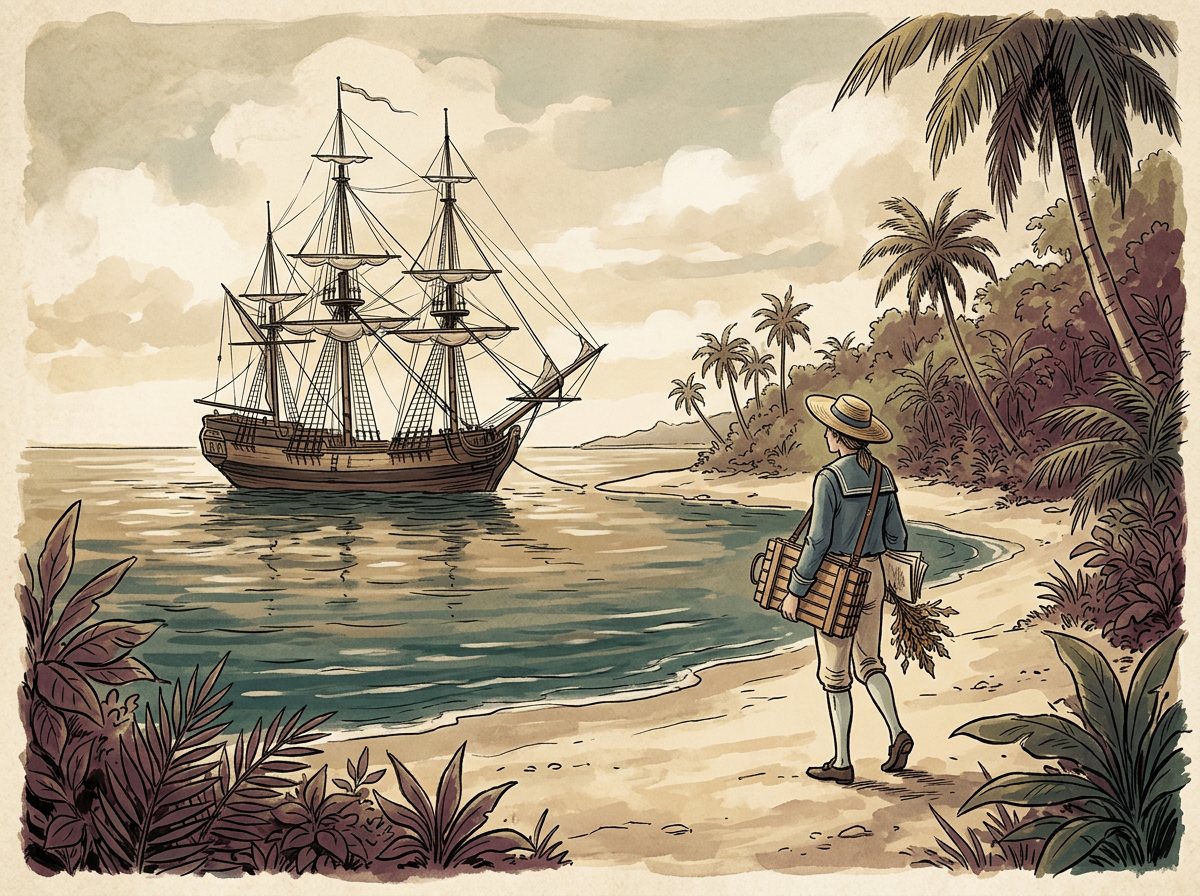
When Louis-Antoine de Bougainville's ships left France in 1766 to sail around the world, one crew member was hiding a secret: "Jean", the servant of botanist Philibert Commerson, was really Jeanne Baret, a young French woman who had signed on dressed as a man. For two years she hauled plant presses ashore on strange coasts and slept aboard a crowded warship without being found out. Accounts differ on exactly where and how she was unmasked in 1768, but Bougainville recorded the discovery in his journal with something close to admiration. She and Commerson were put ashore on Mauritius; Baret eventually made her own way home to France.

By finishing the journey she became the first woman known to have travelled all the way around the globe.

#history #travel

✈️ She Fell 10 Kilometres and Lived

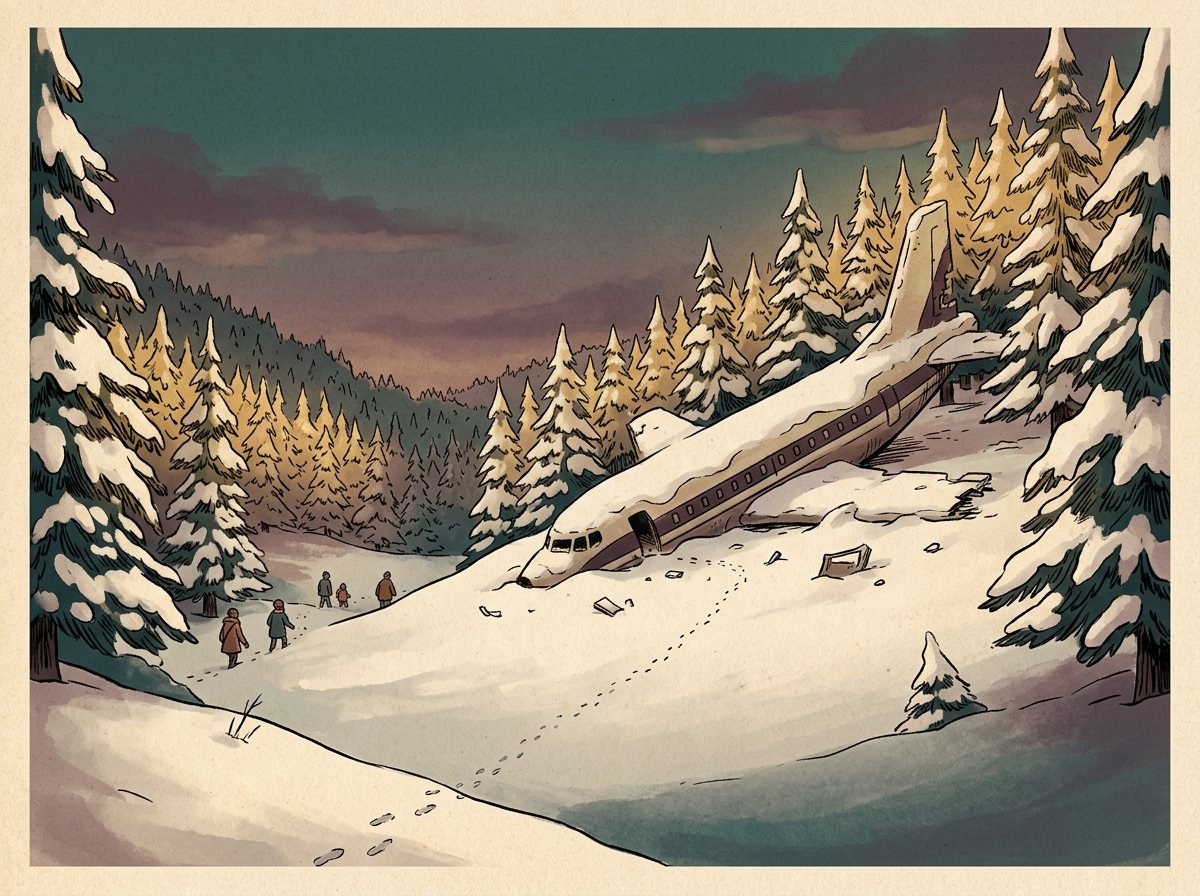
On 26 January 1972, JAT Flight 367 broke apart in mid-air over Srbská Kamenice, Czechoslovakia. Everyone aboard died except one: 22-year-old flight attendant Vesna Vulović, who fell with a section of the fuselage into a snow-covered wooded hillside. A villager named Bruno Honke, who had served as a medic in the Second World War, found her still breathing and kept her alive until help arrived. She woke from a coma days later with a fractured skull, broken legs and vertebrae, paralysed from the waist down — yet within months she was walking again, and she lived until 2016.

Guinness credits her with the highest fall survived without a parachute; she said she never remembered the fall at all.

#history #mystery

🛟 133 Days Alone on a Wooden Raft

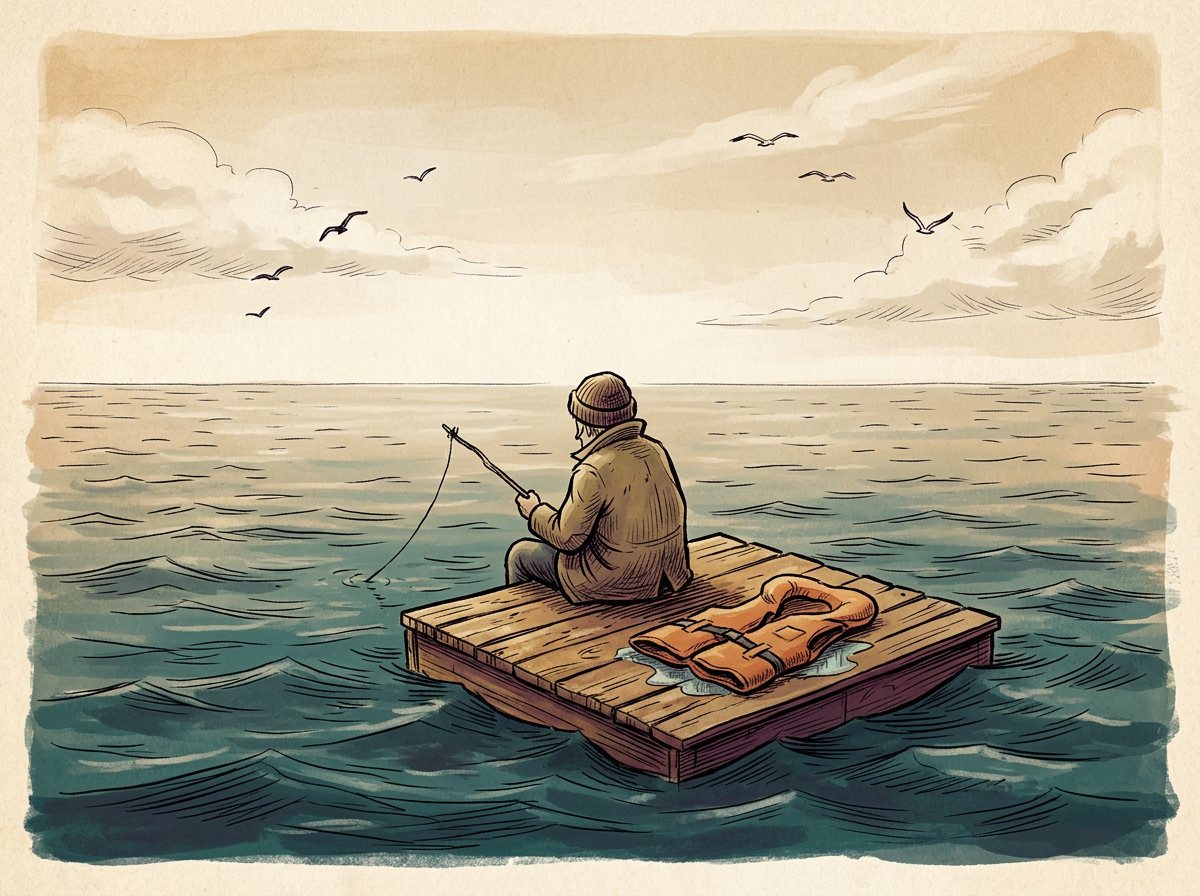
On 23 November 1942 a German submarine sank the British merchant ship SS Ben Lomond in the mid-Atlantic. Poon Lim, a young Chinese steward, grabbed a life jacket, jumped, and found a small square wooden raft with a few biscuits and some water. When the supplies ran out he bent a nail from the raft into a fishhook, twisted rope into line, caught fish and seabirds, and collected rainwater in his canvas life jacket. Brazilian fishermen picked him up near the coast of Brazil on 5 April 1943 — 133 days later, and he could still walk unaided.

King George VI awarded him the British Empire Medal; his survival record for a lone castaway on a raft has never been broken.

#history

🌀 The Day a Lake Vanished Down a Drill Hole

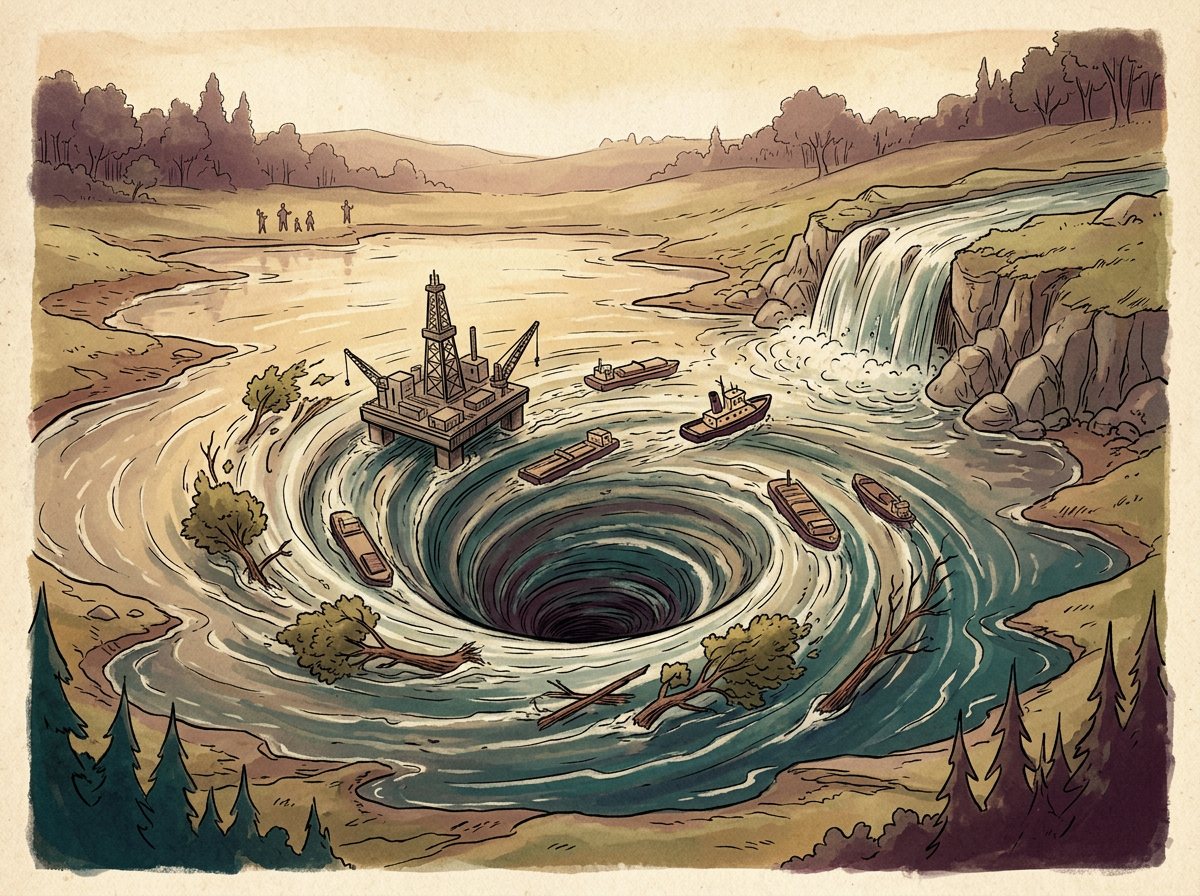
On 20 November 1980, an oil rig was drilling beneath Lake Peigneur in Louisiana, a lake only about three metres deep. Something was badly off in the calculations: the drill punched into a working salt mine in the rock below, and the whole lake began pouring into the tunnels. A vast whirlpool opened up and swallowed the drilling platform, eleven barges, a tugboat, trees and a piece of the shoreline, while the canal to the Gulf reversed direction and briefly poured inland over a waterfall — the tallest ever seen in Louisiana. Astonishingly, all 55 miners underground and the entire rig crew escaped alive.

Days later, nine of the swallowed barges popped back up to the surface — but the lake, once shallow and fresh, was left deep and salty.

#history #nature

👑 The Emperor of America Who Ate for Free

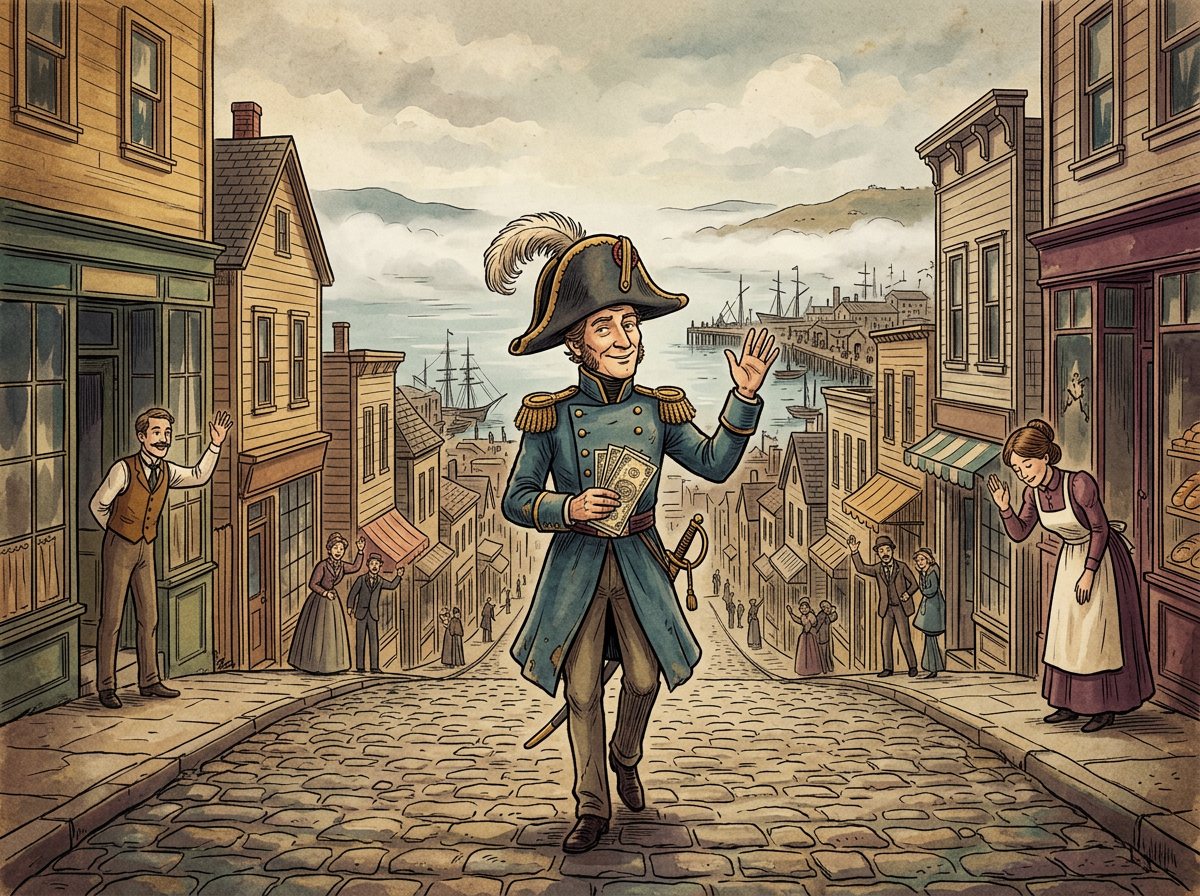
In 1859 a bankrupt San Francisco businessman named Joshua Norton walked into the office of the Bulletin with a notice declaring himself "Emperor of these United States." The paper printed it, and the city simply played along: restaurants gave him the best seat, theatres kept a place for him on opening nights, and shops accepted the banknotes he had printed himself. He issued decrees for decades, including one calling for a bridge across San Francisco Bay long before anyone built one. When he collapsed on California Street in January 1880, thousands of people turned out for the funeral of a man with no empire, no money and no power.

His death certificate gave his occupation as "Emperor."

#history #travel

🏃 The Marathon Won on Rat Poison and Brandy

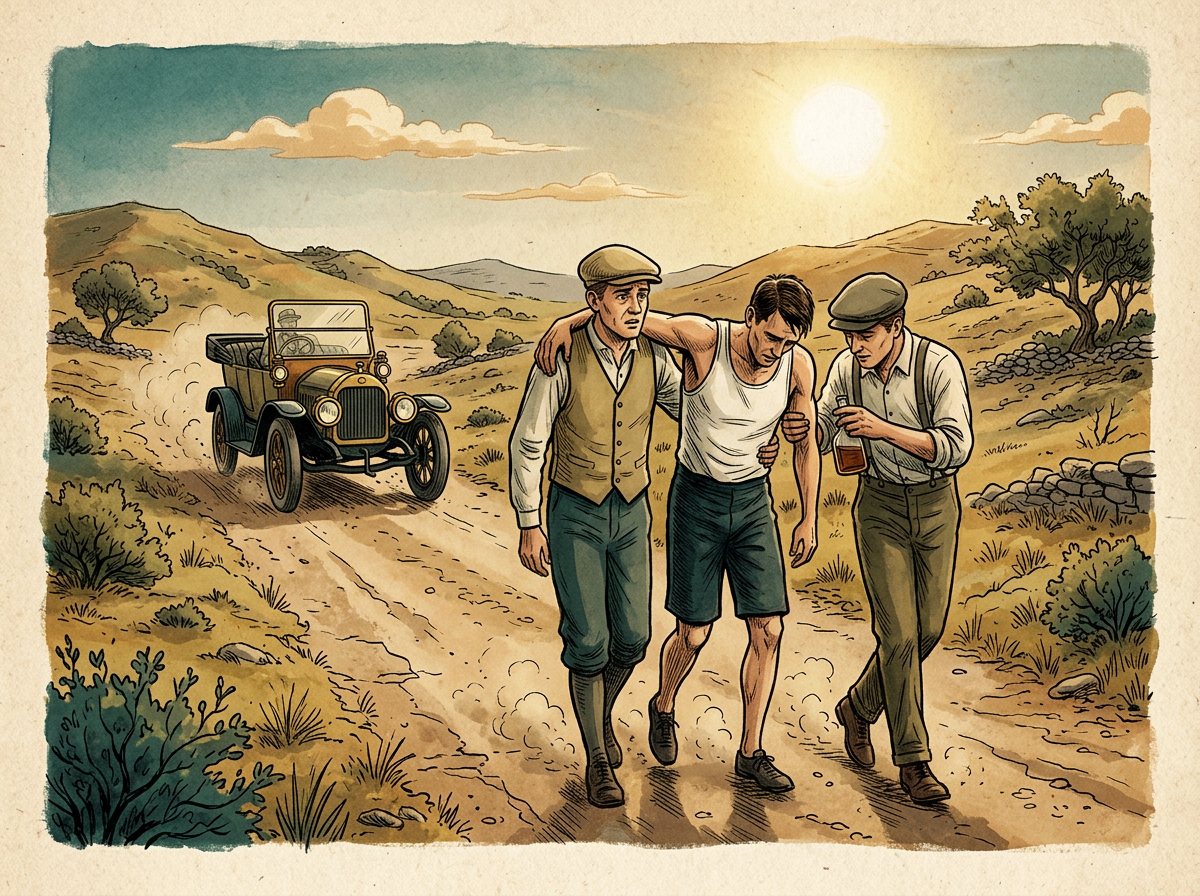
On 30 August 1904, in dust and blistering heat, 32 men set off on the Olympic marathon in St. Louis — with just one water stop on the whole course. Fred Lorz dropped out with cramps, got a lift in a car, then hopped out near the stadium and jogged in to cheers as the winner, before officials disqualified him. The real victor, Thomas Hicks, was kept going by his handlers with doses of strychnine — in tiny amounts a stimulant, in larger ones a poison — mixed with brandy and egg white, and had to be held up as he crossed the line. Cuban postman Félix Carvajal ran in trimmed street trousers, paused to eat orchard apples, and still came fourth.

Of the 32 starters, only 14 finished.

#history #science

🏹 The Stork That Solved a 2,000-Year Mystery

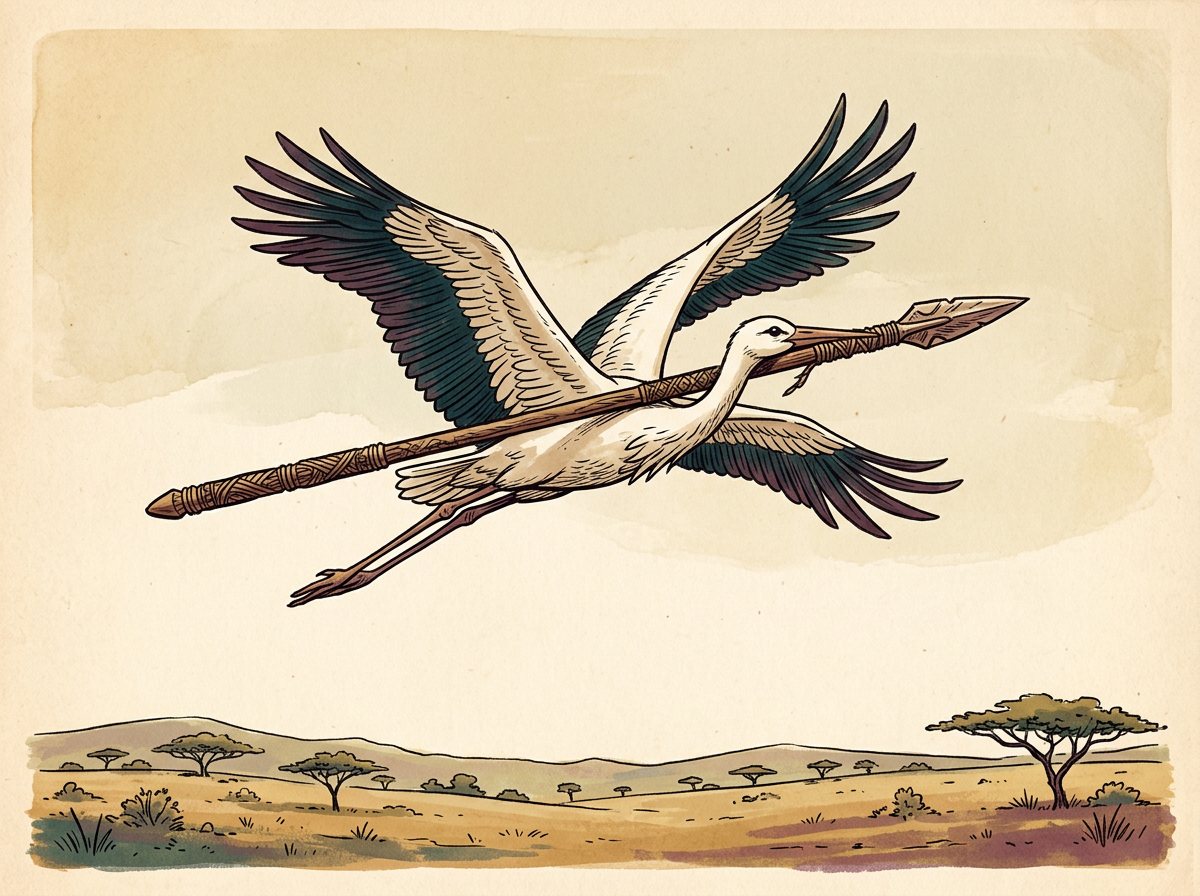
For centuries nobody knew where birds went in winter — Aristotle thought some hibernated, and one English writer seriously proposed that they flew to the moon. Then in 1822, near the village of Klütz in Mecklenburg, Germany, a white stork was shot with a long wooden spear driven clean through its neck. The spear was of central African make, and the bird had flown thousands of kilometres with it lodged in place. Suddenly Europe had physical proof that storks wintered in Africa, not at the bottom of ponds.

The stuffed bird, spear and all, still survives in the zoological collection at the University of Rostock.

#history #nature

💃 The Summer Strasbourg Could Not Stop Dancing

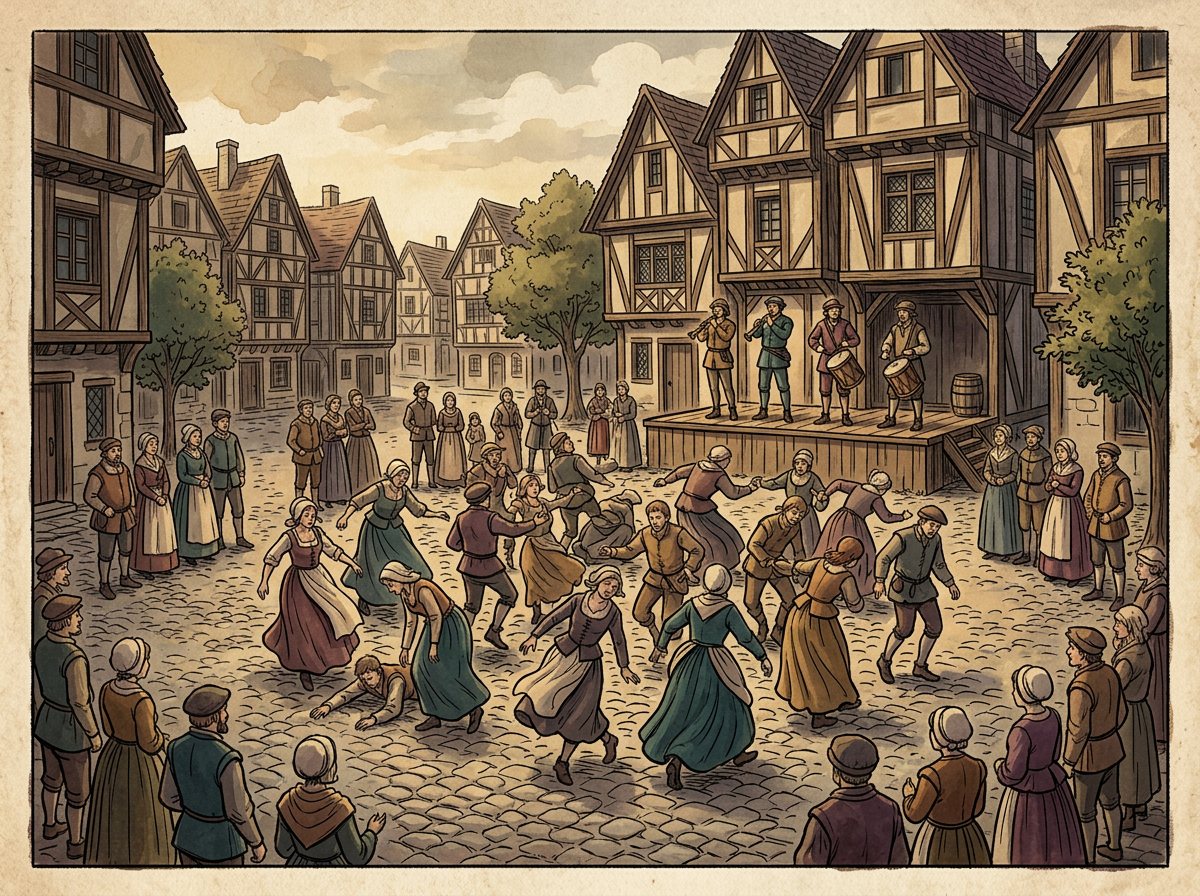
In July 1518, a woman remembered as Frau Troffea stepped into a street in Strasbourg and began to dance — silently, without music, and without stopping. Within days dozens of neighbours had joined her, and chroniclers claim the crowd grew to around 400 people, dancing until they collapsed from exhaustion. The city's physicians decided the cause was "hot blood" and that the cure was more dancing, so the authorities cleared guild halls, hired musicians and let them dance it out. Accounts differ on how it ended and how many died; historians still argue between mouldy-rye poisoning and mass psychogenic illness brought on by famine and fear.

The official prescription for an outbreak of dancing was, quite literally, a bigger band.

#history #mystery

☢️ The man who survived two atomic bombs.

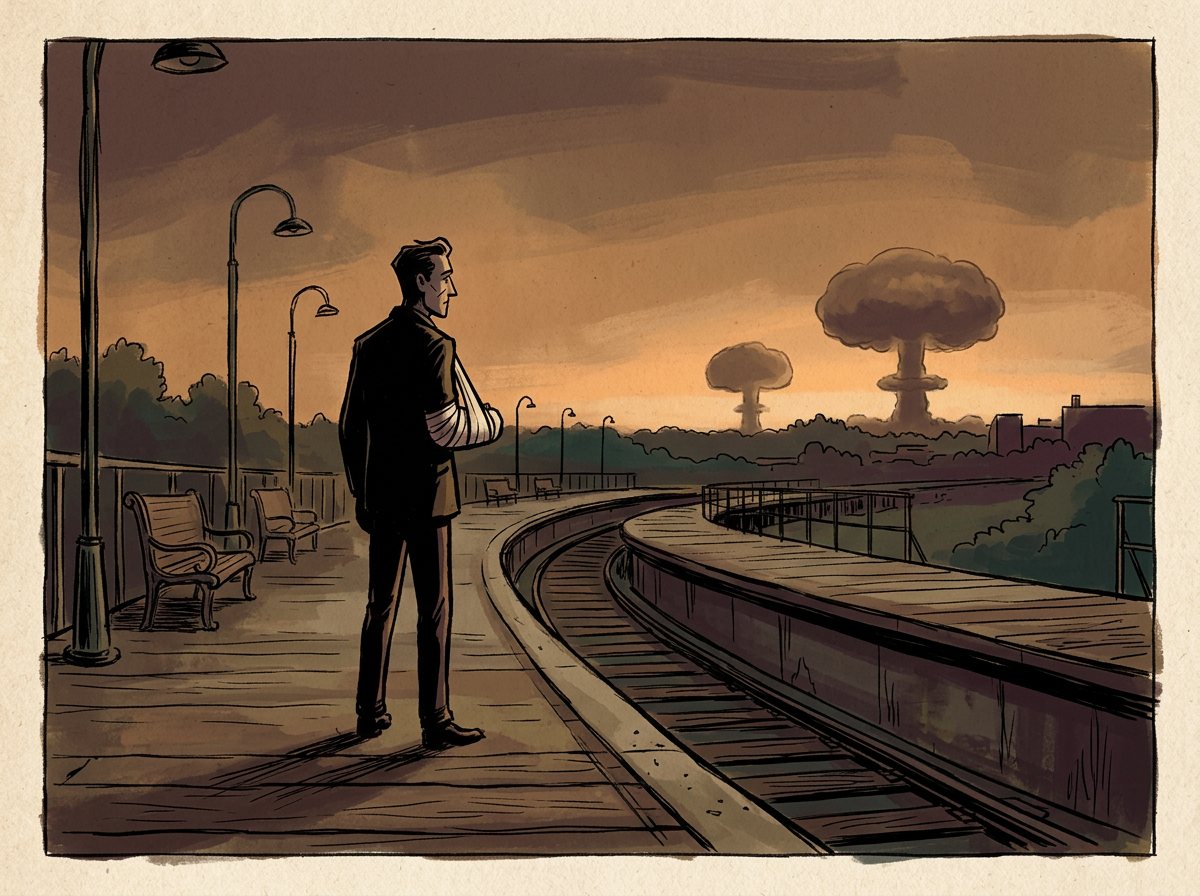
Tsutomu Yamaguchi was in Hiroshima on a business trip on August 6, 1945, when the first atomic bomb fell. Badly burned, he made it home to Nagasaki — and three days later, on August 9, the second bomb hit his city too.

He survived both, lived to 93, and spent his later years speaking out against nuclear weapons.

#history

🪶 The war Australia lost to birds.

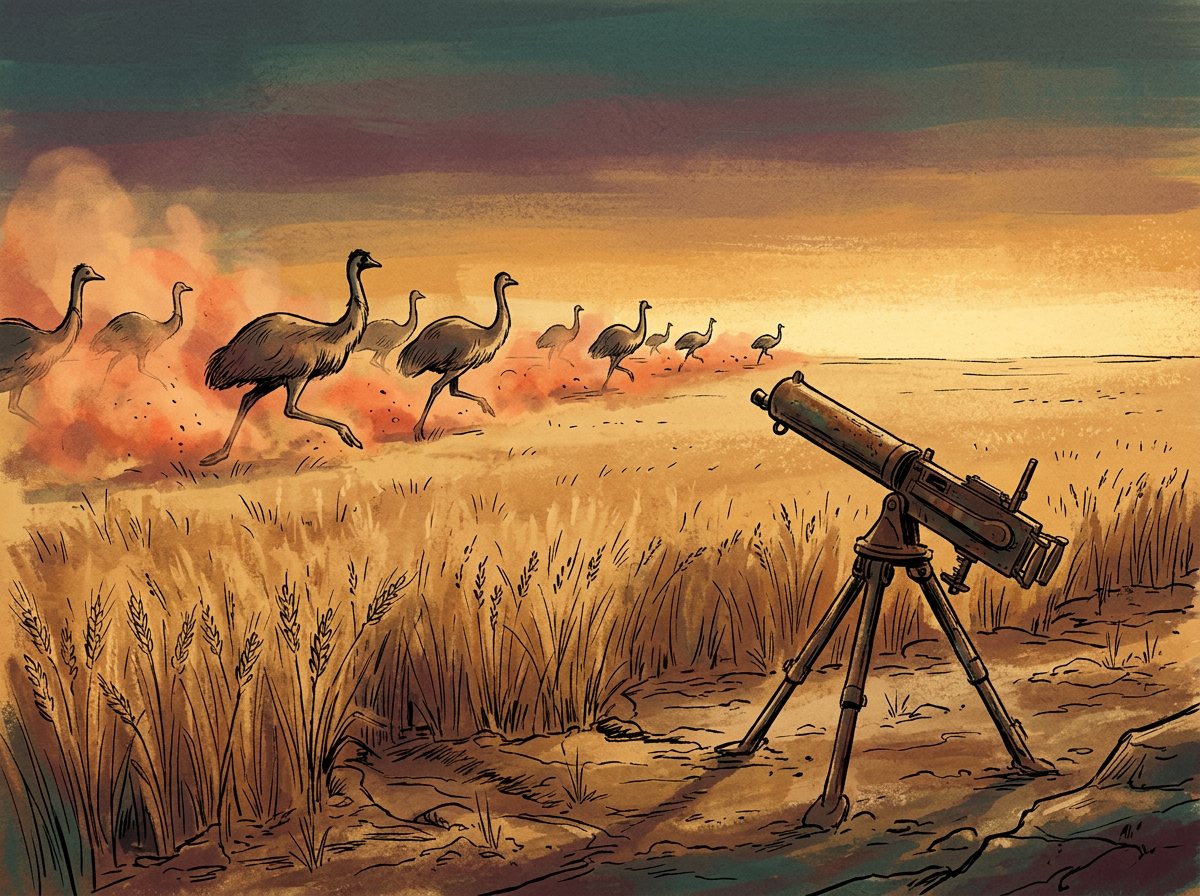
In late 1932, farmers in Western Australia asked for help: around 20,000 emus were eating their wheat. The army sent soldiers with machine guns. The emus scattered, ran fast and proved very hard to hit, and after weeks of trying the operation was called off.

Newspapers named it the Great Emu War.

#history

🫙 The day Boston drowned in molasses.

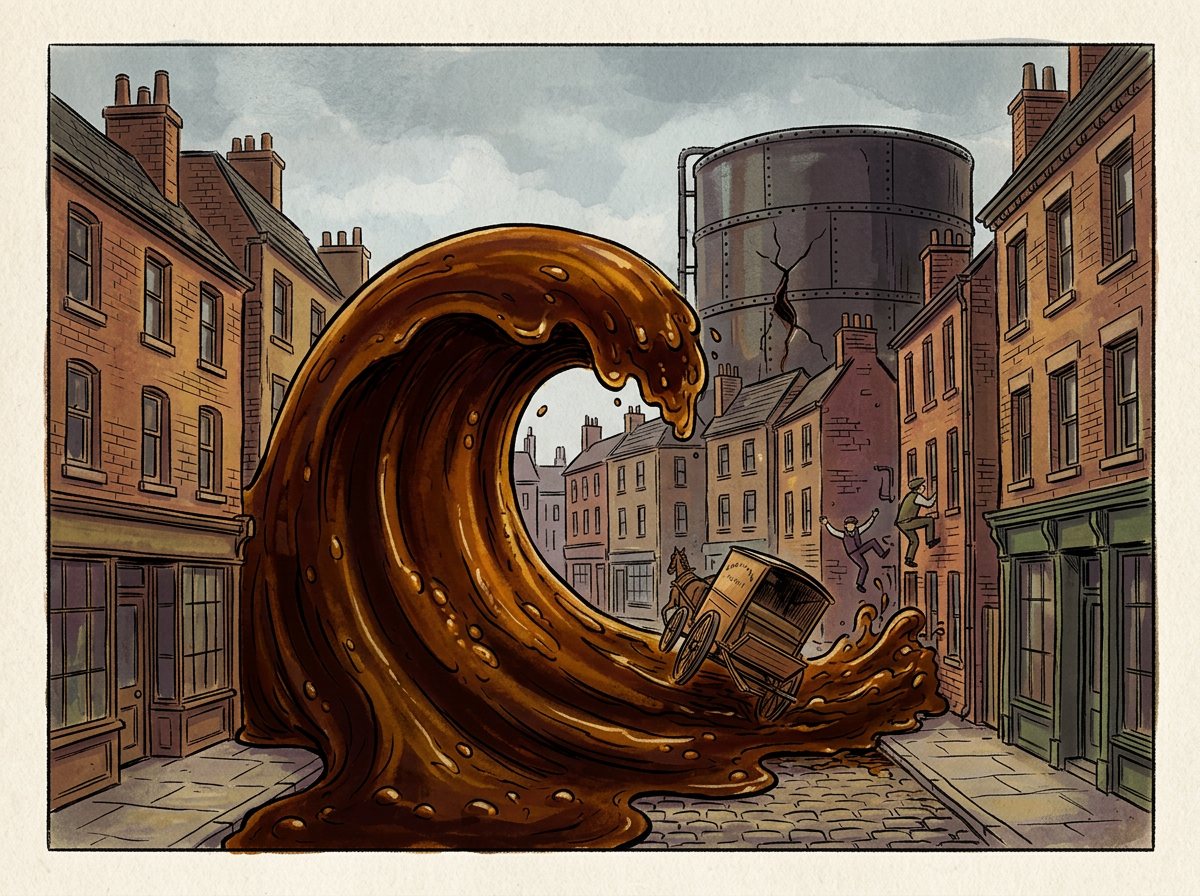
On January 15, 1919, a giant storage tank in Boston's North End burst open. A wave of sticky molasses, several metres high, rolled through the streets and knocked buildings off their foundations. 21 people died and about 150 were injured.

Locals said that on hot summer days the neighbourhood smelled sweet for decades.

#history

orbeo.me · мессенджер без номера телефона