Strange StoriesОткрыть в Orbeo

Архив · страница 4 из 5 · 31 октября 2026 — 19 ноября 2026

⚡ The Day the Sky Caught Fire

On September 1, 1859, astronomers watching the sun saw an enormous explosion of light. Two days later, Earth's magnetic field was hit by a wave of charged particles traveling at millions of miles per hour. Telegraph systems across the world sparked, caught fire, and went haywire—operators reported getting shocked, and some machines sent messages with no one touching them.

If it happened today, it would cripple power grids, satellites, and communications worldwide. We came terrifyingly close to total blackout—and most people never heard about it.

#history #science

🐦 An Arrow Proved Birds Travel Miles

In 1822, a white stork was shot down in Mecklenburg, Germany—with an African arrow lodged in its body. The bird had survived the injury and somehow made it back north. This single discovery gave scientists their first solid proof that birds migrate between continents, not simply hibernate or disappear into caves as many believed.

The arrow's origin couldn't be pinpointed exactly, but the stork's journey revealed an astonishing truth: these creatures undertake epic voyages across the world, year after year. One small wound changed how we understood animal behavior forever.

#history #nature

🏥 A Surgeon Operated Without Seeing

In 1961, Dr. Robert Liston of London performed a complex surgical procedure while completely blind—by choice. He had developed a revolutionary technique using only touch and spatial memory, guiding his instruments with precision through feel alone. His colleagues watched in amazement as he successfully completed the operation without a single error. Liston believed that removing sight forced a surgeon to develop heightened tactile awareness and sharper focus. The procedure proved his theory, though the technique never became standard practice.

Sometimes losing one sense reveals gifts in others.

#history #science

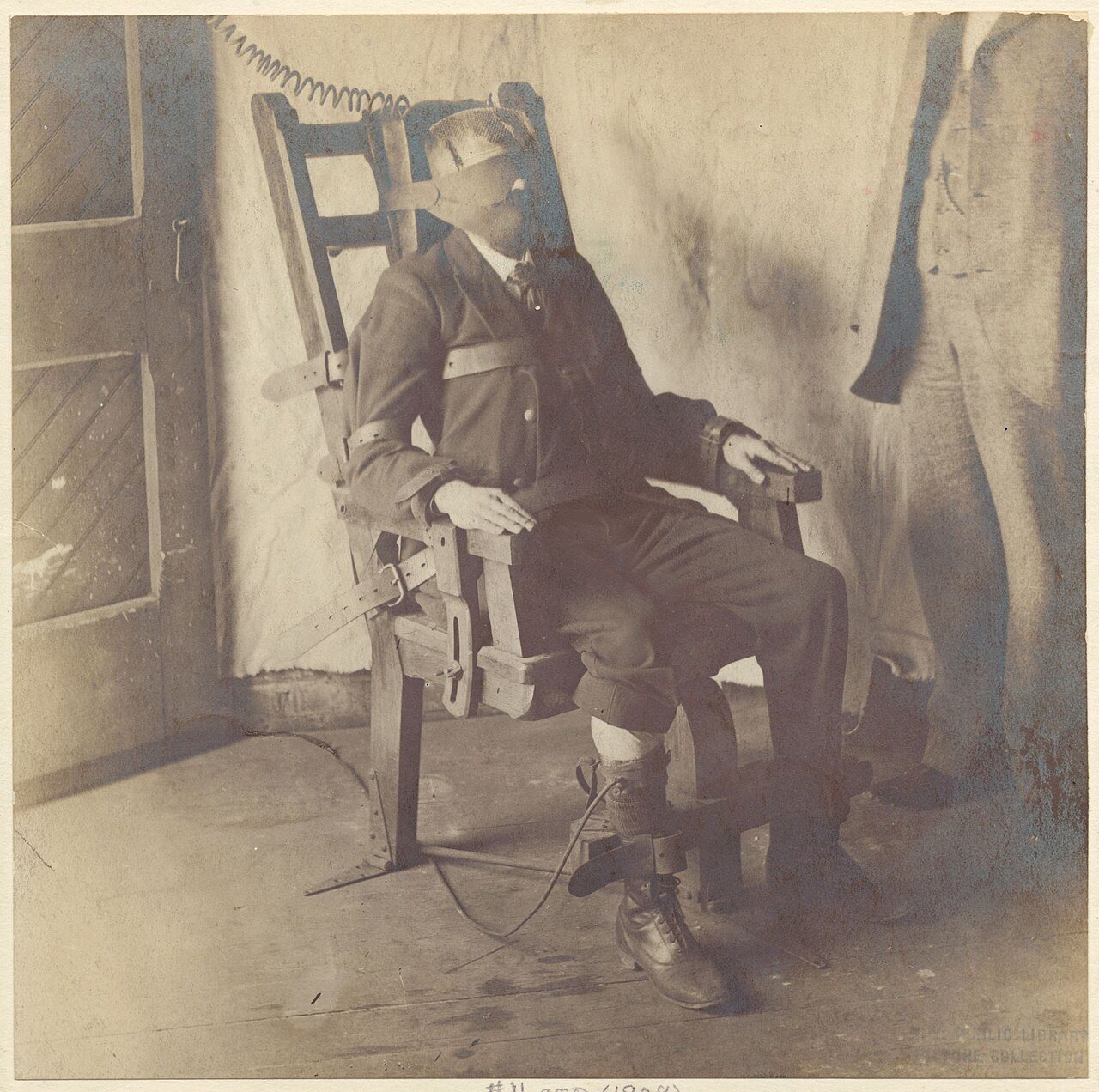
🐘 Topsy the Elephant Was Electrocuted—Then Put on Trial

In 1903, Topsy was a performing elephant at Coney Island who had killed three men, including a trainer who fed her a lit cigarette. Facing public outcry, the owners decided she had to die. Rather than shoot her, they chose electrocution—a grim spectacle that drew thousands of onlookers. Thomas Edison's company filmed it, hoping to prove AC current was deadlier than their rival's DC. Topsy was strapped with electrodes and killed in seconds.

She remains the only elephant in American history executed by electric chair.

🔭 Blind Stargazer Mapped the Heavens

Caroline Herschel was born in Hanover in 1750, going blind from typhus as a child. Yet she became one of history's greatest astronomers, working alongside her brother William in Bath, England. Using only touch and memory, she catalogued over 560 stars and discovered eight comets—earning her a place in the Royal Society's records. She spent 50 years at the telescope, navigating by feel alone.

When she died at 97, the Royal Astronomical Society honored her with a gold medal.

#history #science

🏥 Surgeon Operated on His Own Spine

In 1961, Dr. Sam Sheppard, a neurosurgeon, discovered he had a ruptured disc pressing on his spinal cord. Rather than trust another surgeon's hands, he decided to operate on himself. Lying face-down on an operating table with a mirror angled above, he carefully removed the damaged disc from his own spine while under local anesthesia. He survived the procedure and returned to his practice, though accounts of the full details remain sparse in medical records.

Sometimes the best doctor really is yourself.

#history #science

🏔️ Blind Man Reaches Earth's Highest Peak

Erik Weihenmayer had been blind since age 13, but in May 2001 he became the first sightless person to stand on Mount Everest's summit. He navigated the treacherous 8,849-meter climb using a rope system with guides and audio feedback, moving through the death zone where oxygen is so thin most people hallucinate. His team faced avalanches, crevasses, and extreme cold, yet Weihenmayer relied on touch, sound, and pure determination to reach the top.

He later summited the highest peaks on all seven continents.

#history #nature

🌍 A Blast That Flattened 80 Million Trees

On June 30, 1908, something exploded over a remote forest in Siberia with the force of 1,000 atomic bombs. An area twice the size of London was instantly leveled—80 million trees fell in the same direction, all pointing away from the blast center. Yet there was no crater, no confirmed meteorite, and no one nearby to witness it. Scientists still debate whether it was a meteor, comet, or something else entirely.

The explosion went largely unnoticed by the world for years because so few people lived there.

#history #mystery #science

🎻 The Violinist Playing Under Fire

Warsawborn violinist Wanda Wiltkomirska was 19 when the Nazis occupied Poland in 1939. Rather than flee, she stayed and performed in secret concerts for Jewish families hiding in the ghetto, risking her life at every performance. After the war, she became an internationally celebrated soloist, recording for decades and refusing to let occupation silence her art.

She played not to entertain, but to prove humanity still existed.

#history #music

🦞 The Lobster That Became a Celebrity

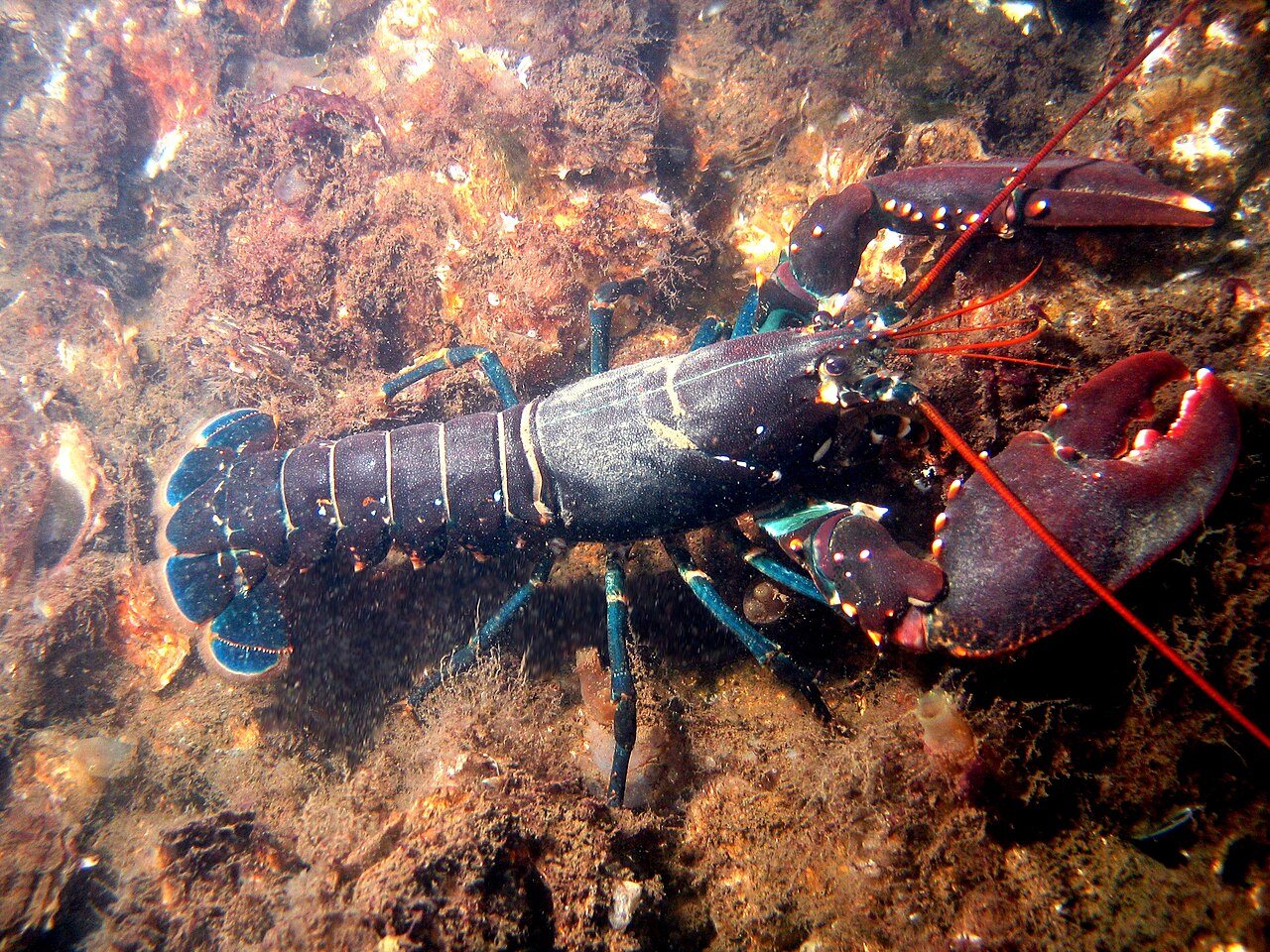
In 2014, a massive blue lobster arrived at a seafood restaurant in New York. Its unusual color—caused by a rare genetic mutation—made it so famous that the restaurant decided not to cook it. Instead, they named it Toby and kept him as a tank resident for years. Visitors came specifically to see the one-in-two-million blue crustacean, and he became a local legend.

Toby proved that even the most unexpected creatures can capture human hearts.

#nature #mystery

🕊️ The Pigeon That Crossed an Ocean

In 1931, a pigeon named Cher Ami II was released from a ship 1,200 miles east of New York. The bird, banded for tracking, was meant to test migration patterns. Instead, it flew west—directly into a hurricane. Two weeks later, exhausted and salt-crusted, the pigeon landed on a ship off the coast of Massachusetts. It had survived the Atlantic crossing and violent weather that would have killed most creatures.

The feat helped scientists understand how birds navigate impossible distances.

#history #science #nature

🌊 The Kon-Tiki's Impossible Voyage

In 1947, Norwegian explorer Thor Heyerdahl built a balsa wood raft and sailed it 4,300 miles across the Pacific with five companions, no engine, and no modern navigation aids. He wanted to prove that ancient Peruvians could have reached Polynesia on similar vessels—a theory most experts dismissed as fantasy. For 101 days, the crew drifted through storms, sharks, and the open ocean, eating coconuts and fish they caught by hand. They landed safely in the Tuamotu Archipelago, and Heyerdahl's journey became one of history's boldest experiments in proving the possible.

The voyage showed that ancient ocean crossings might have been far more achievable than anyone thought.

#history #travel

🦑 Scientists Filmed a Living Giant

For centuries, the colossal squid existed only in sailors' tales and dead specimens. In 2007, a fishing vessel near Antarctica hauled up a frozen specimen—the first intact one ever found. But the real breakthrough came in 2012, when researchers captured the first-ever footage of a living colossal squid in the deep ocean, hunting in total darkness nearly a kilometer down.

The creature's eyes, the size of dinner plates, were designed to hunt in waters where sunlight never reaches.

#science #nature

🏝️ Rescued After 5 Years Alone

In 1960, an Argentine sailor named José María Córdoba was shipwrecked on an uninhabited island in the South Atlantic. He survived for five years on fish, seabirds, and rainwater, building shelters and keeping meticulous records carved into wood. When a passing ship finally spotted his signal fire in 1965, the crew found him in surprisingly good health—thinner, but alive and mentally sharp. His detailed survival logs later helped scientists understand human resilience in extreme isolation.

Córdoba lived another 40 years after rescue, never returning to sea.

#history #survival

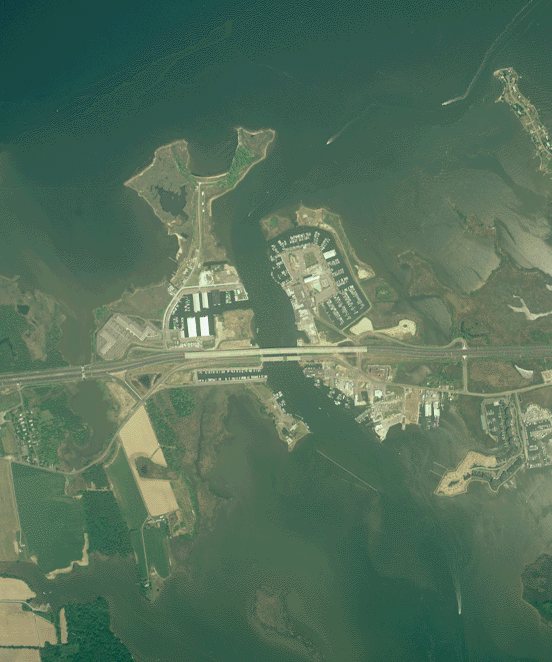
🌉 The Tacoma Narrows Bridge opened in July 1940 and became famous for its graceful, swaying design. Four months later, on November 7th, wind gusts sent it into violent oscillations, and the entire 2,300-meter span twisted and collapsed into Puget Sound. Only one life was lost—a dog left behind in a car.

Engineers rebuilt it stronger. The disaster transformed how we design suspension bridges and taught us that beauty and physics must dance together carefully.

#history #science

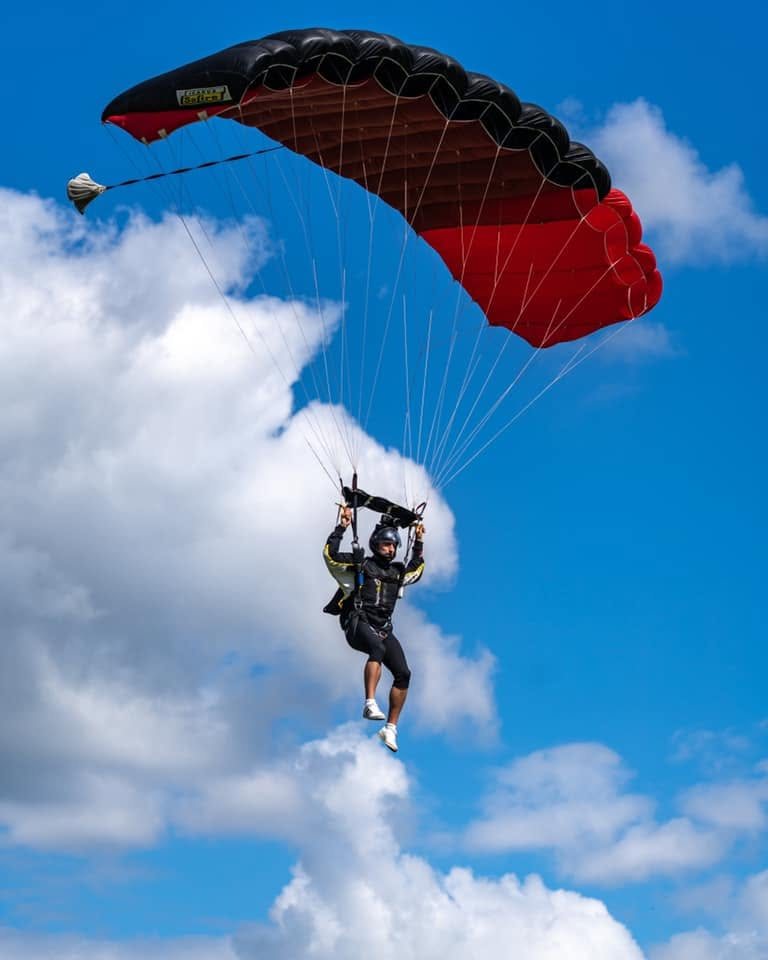
🪂 The Skydiver Who Fell 5 Miles and Lived

On January 15, 1942, Alan Magee's B-17 bomber was hit by German fighters over France. He fell 20,000 feet without a parachute—his was destroyed in the explosion. Magee plummeted through clouds, crashed through the glass roof of a train station in Saint-Nazaire, and landed on the metal framework inside. Broken ribs, a fractured leg, and severe burns—but alive. German soldiers found him and he spent the rest of the war as a POW.

He outlived most of his crew by decades.

#history #mystery

🧊 The Frozen Explorer's Last Meal

In 1941, Soviet researchers found a woolly rhinoceros perfectly preserved in Siberian permafrost—and in its stomach was undigested food from 44,000 years ago. Buttercups, sedge, and pine needles lay exactly as the animal had eaten them the moment it died, frozen in time like a snapshot of the Ice Age. Scientists could even identify which plants grew in that ancient landscape by studying what the rhino's last meal revealed. It was as if the animal had simply lain down yesterday.

Some frozen creatures tell better stories than any fossil ever could.

#history #science #nature

🏝️ The Castaway Who Ate His Boot

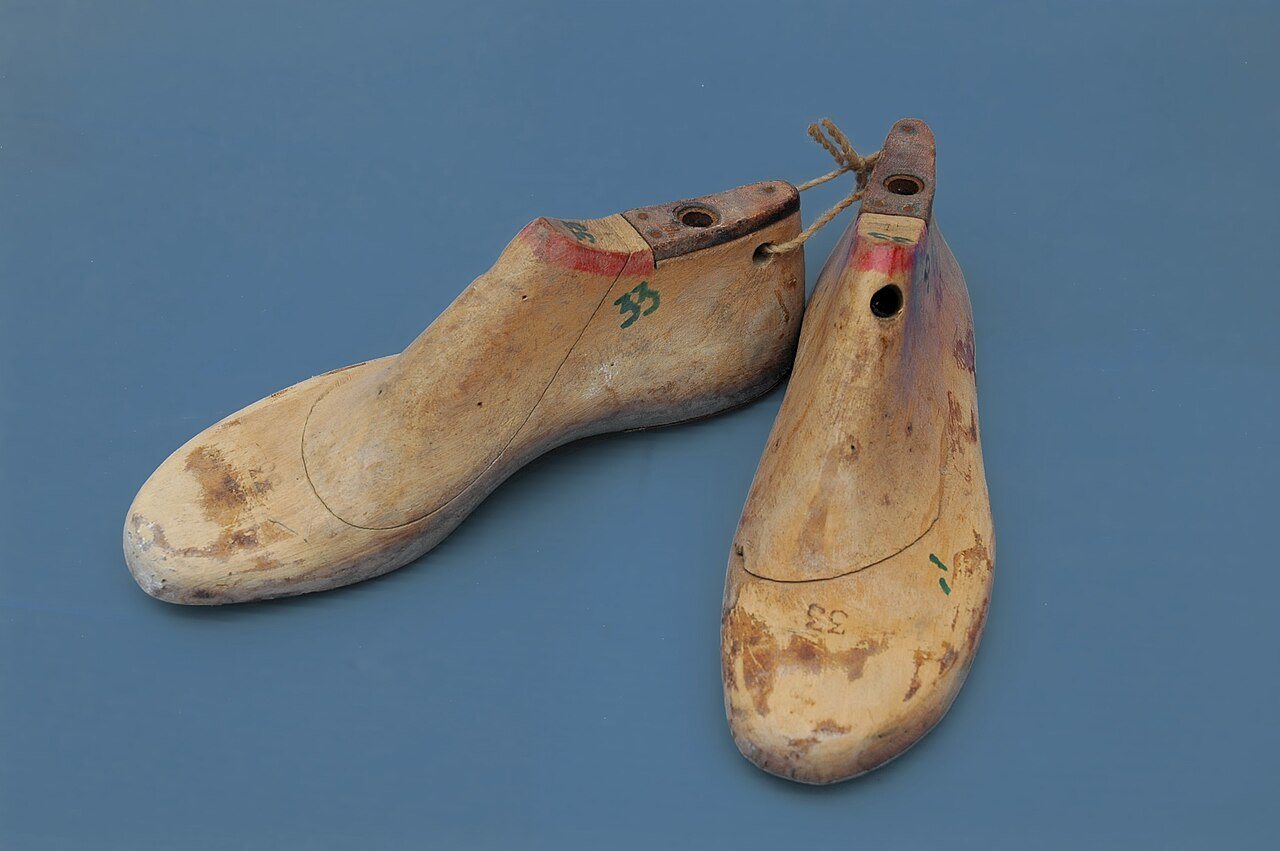
In 1864, the merchant ship *US* wrecked on a reef near the Gilbert Islands. Captain Bartholomew Gosnold and two crew members were cast adrift in a small boat with almost no supplies. For weeks they drifted across the Pacific, rationing what little they had—until food ran out entirely.

Gosnold began boiling his leather boot and eating it in strips to survive. The other men followed suit, consuming their shoes and any leather they could find. After 43 days at sea, a passing whaler spotted them and took them aboard, barely alive but conscious.

Gosnold recovered and lived another 30 years, forever known as the captain who chewed his way to survival.

#history #mystery

🪓 The Headless Execution That Started a War

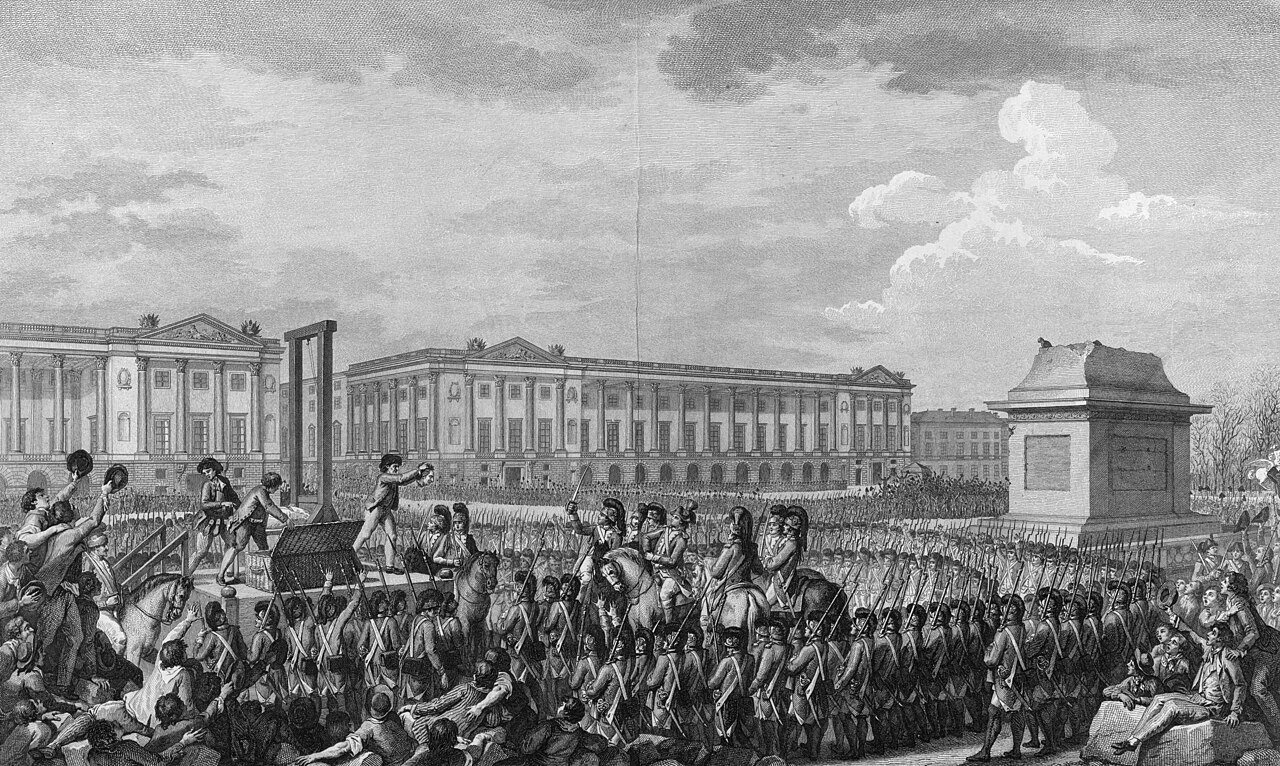
In 1191, King Richard the Lionheart besieged the fortress of Acre during the Crusades. When the city fell, he ordered the execution of 2,700 Muslim prisoners. The executioners beheaded them in front of the opposing army—a deliberate, brutal message. Saladin, the Muslim commander, watched from across the plain. He responded by massacring every Crusader he captured for months afterward. This single act of defiance transformed the war from conquest into cycles of vengeance that echoed for years.

Some historians mark this moment as when the Crusades became truly merciless.

#history

🚢 The Stowaway Who Became a Saint

In 1925, a young Polish stoker named Szymon Cmorek hid aboard a ship bound for Brazil. Discovered mid-voyage, he was put to work rather than thrown overboard. Years later, Cmorek became a Carmelite monk and was canonized in 2000 for his spiritual life and charity work. What began as desperation at sea ended in the Catholic Church declaring him blessed—a stowaway's gamble that led to sainthood.

He's the only canonized saint known to have started his spiritual journey as a hidden passenger.

#history #mystery

orbeo.me · мессенджер без номера телефона