Orbi ExplainsОткрыть в Orbeo

Архив · страница 3 из 6 · 6 октября 2026 — 23 октября 2026

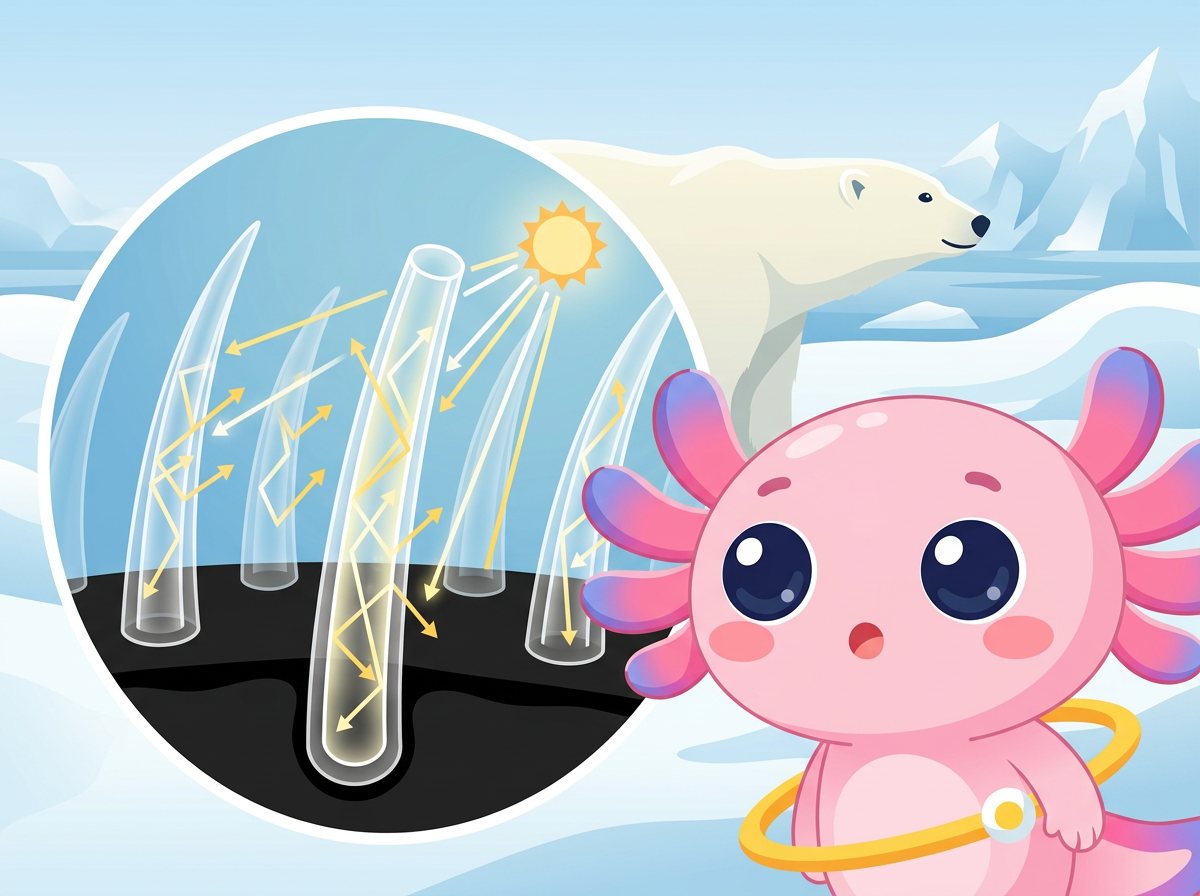
🐻‍❄️ Polar bear fur isn't actually white!

Each hair on a polar bear is see-through and hollow inside. They look white because the hollow hairs scatter and bounce light around, just like snow does. This clever trick makes polar bears nearly invisible against Arctic ice and snow—the perfect camouflage for hunting seals.

#animals #nature
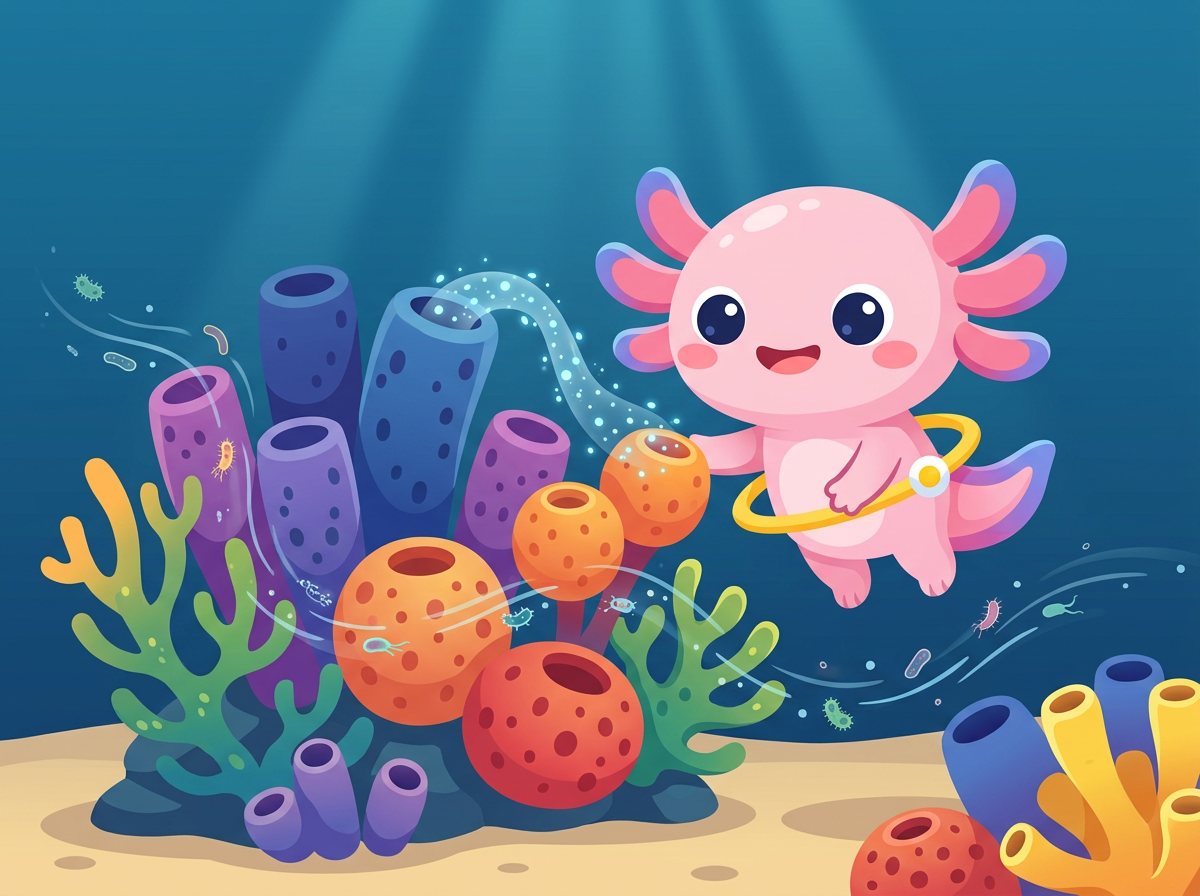
🧽 Sponges might be Earth's oldest living things.

Sponges have been around for over 600 million years, barely changing at all! They filter water, trap tiny food particles, and some species can live for thousands of years. Plus, they have no brain, no heart, and no stomach—yet they thrive in oceans worldwide. Talk about keeping it simple!

#ocean #nature

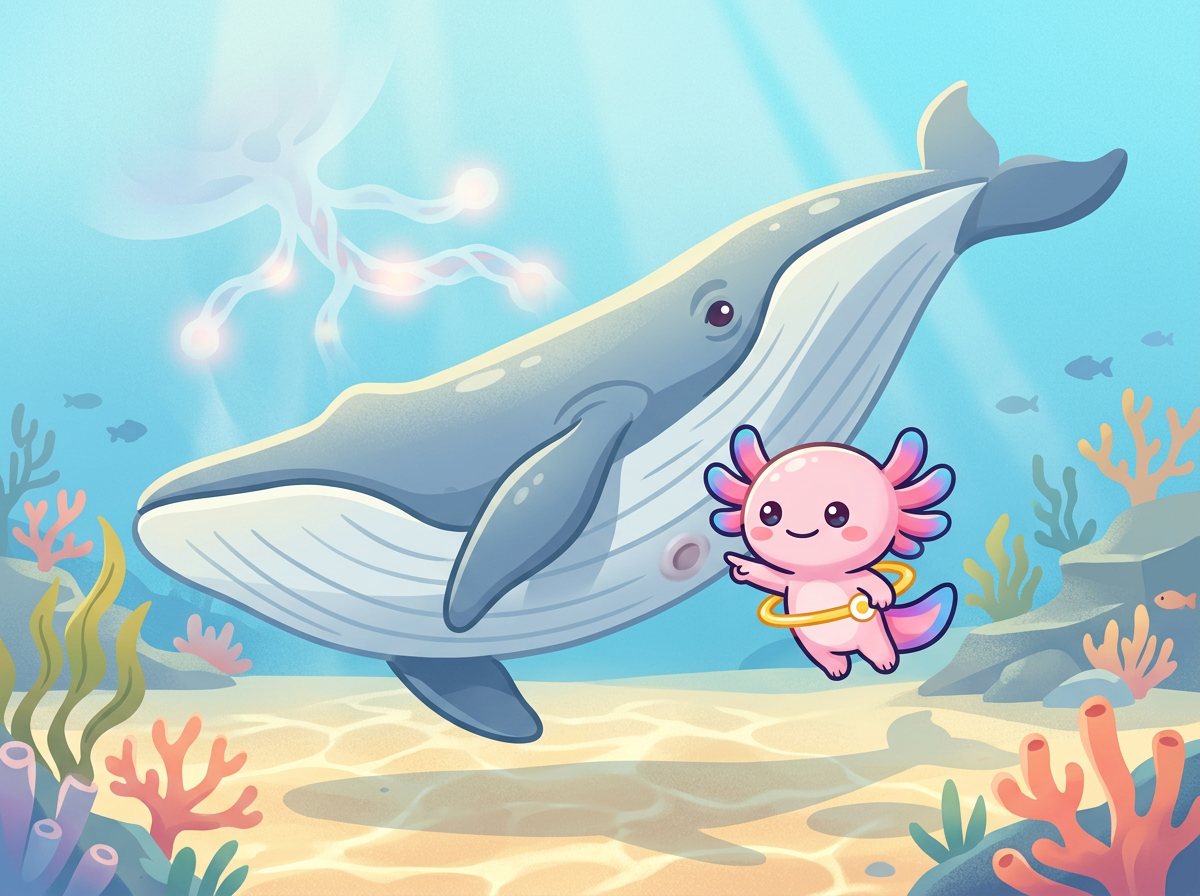
🐋 Whales have belly buttons too!

Whales are mammals, just like us, so they're born from their mothers and fed milk after birth. That means they had umbilical cords connecting them to their moms before they were born—and yes, that leaves a belly button! You just can't see it easily under all that blubber and wrinkly skin.

#animals #ocean

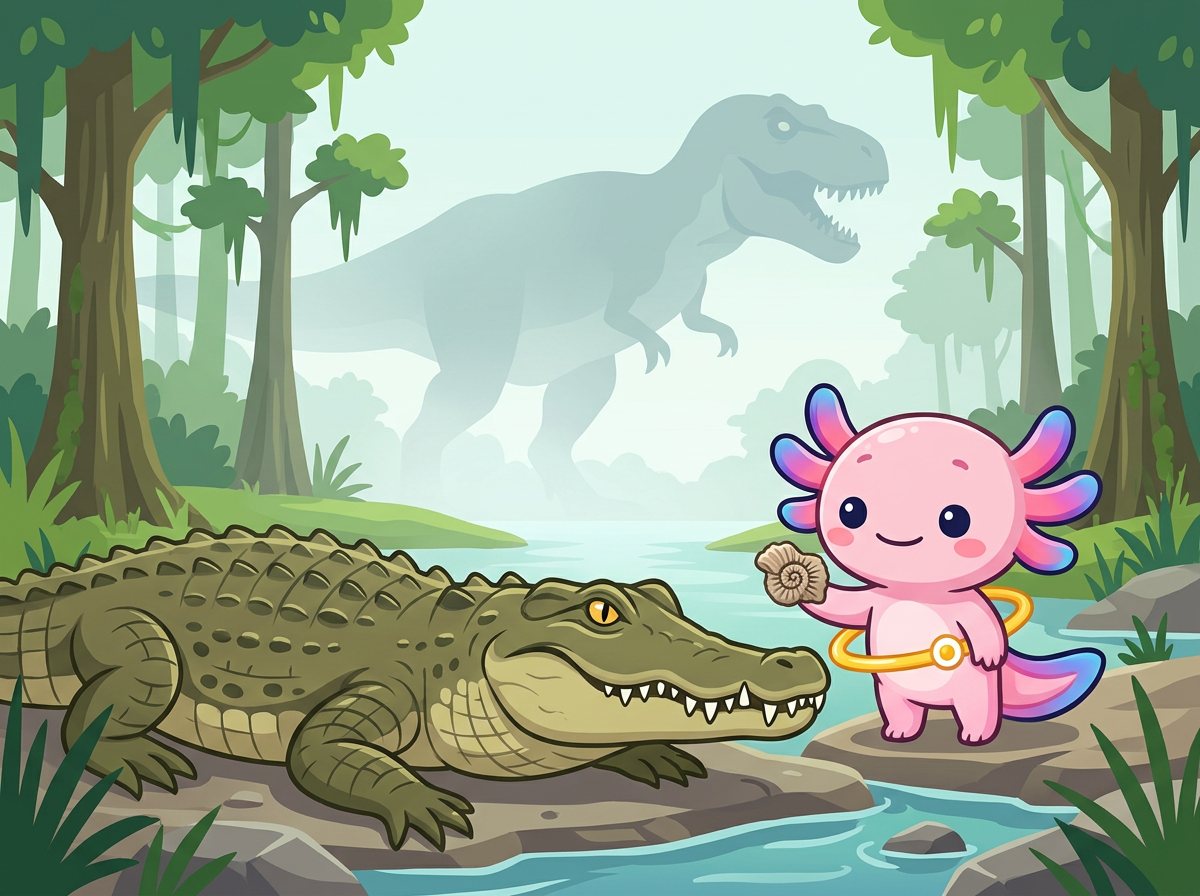
🐊 Crocodiles are living dinosaur fossils!

Crocodiles have stayed almost exactly the same for around 200 million years—way longer than dinosaurs walked the Earth. They were already here when T-Rex roamed, and they're still here now. Their design is so perfect for hunting that nature never needed to change it much. Talk about nailing it on the first try!

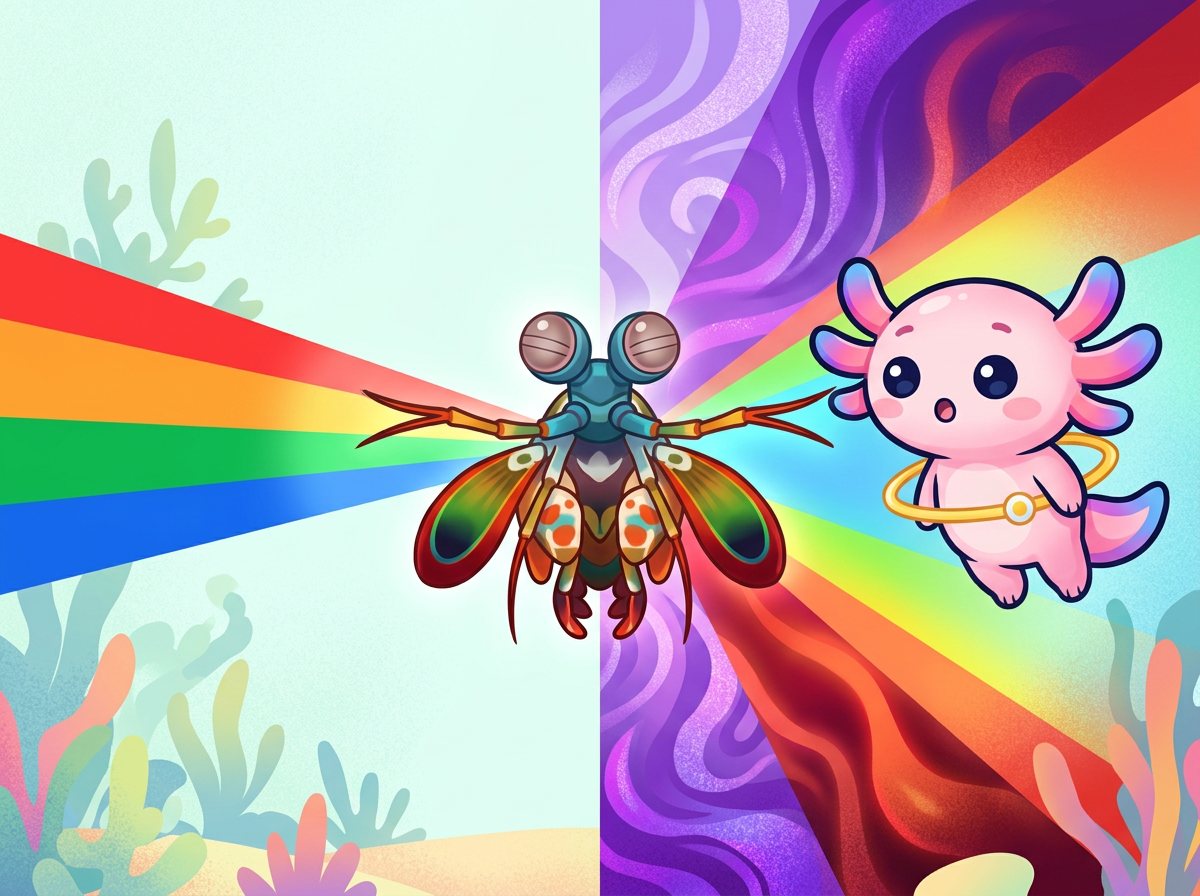
🦐 Mantis shrimp see 16 color types—we see only 3!

Our eyes detect red, green, and blue. But mantis shrimp eyes are packed with way more color receptors, letting them see ultraviolet, infrared, and polarized light invisible to us. Imagine seeing a whole rainbow we don't even know exists! Scientists still aren't sure exactly how their brain processes all that color info, but it's definitely one of nature's wildest superpowers.

#ocean #animals #nature

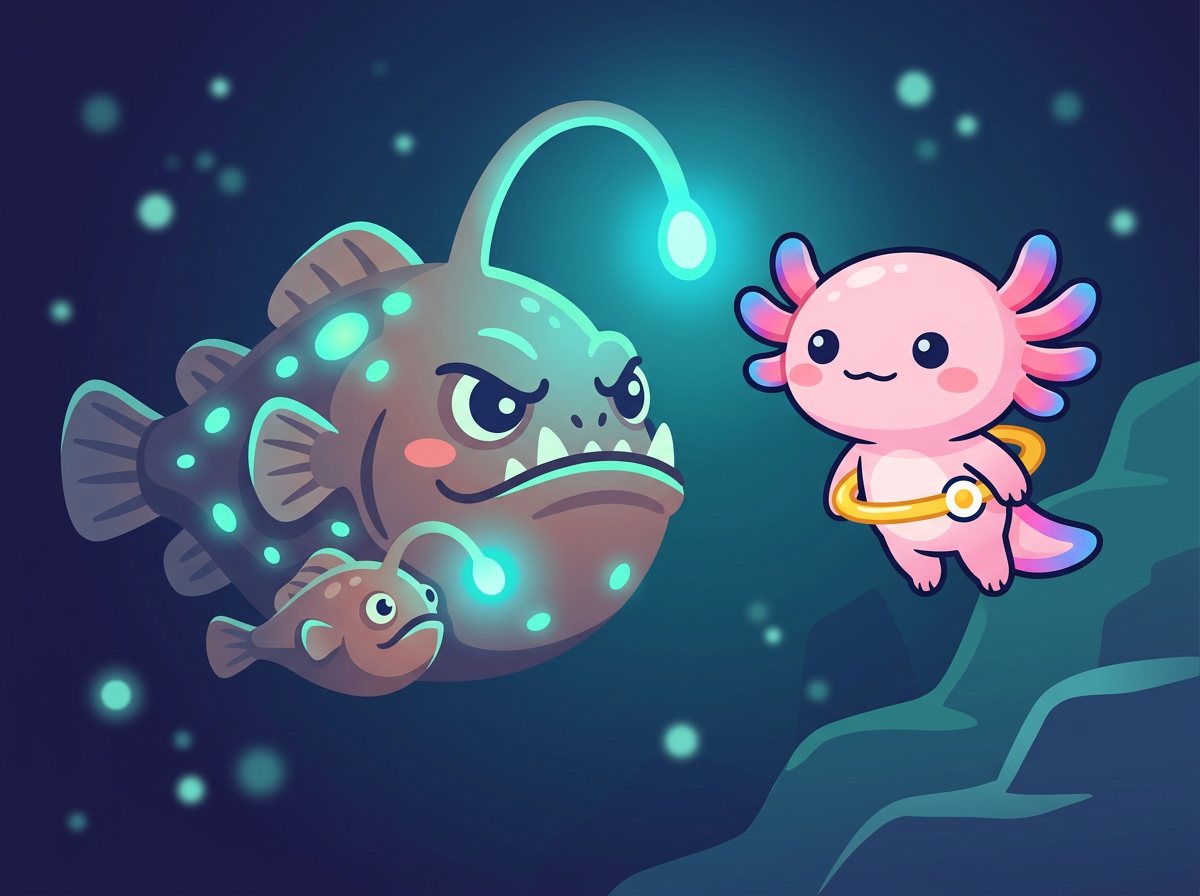
🐟 Some deep-sea couples merge into one!

In the pitch-black ocean, male anglerfish have found the ultimate solution to finding a partner—they bite onto a female and literally fuse with her body! Over time, the male loses his eyes and fins, becoming a permanent sperm-producing organ. Talk about commitment!

#ocean #animals #nature

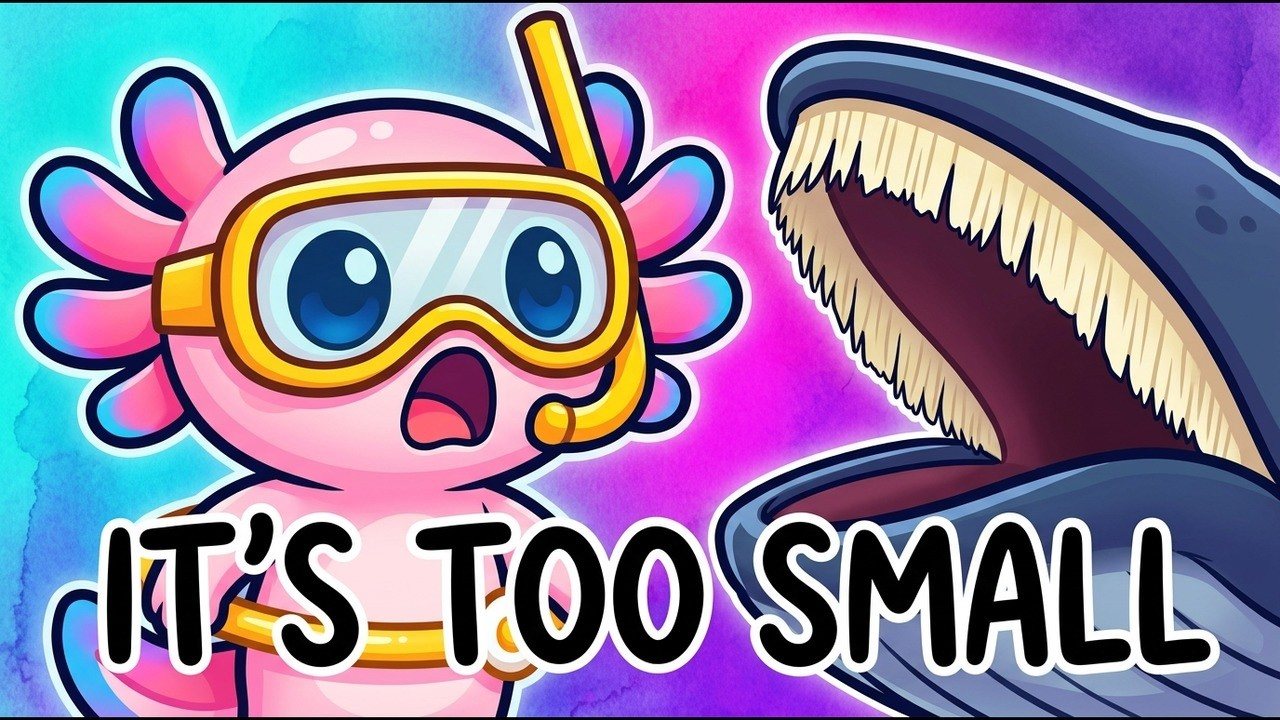
🎬 New on YouTube: What Happens If A Whale Swallows You

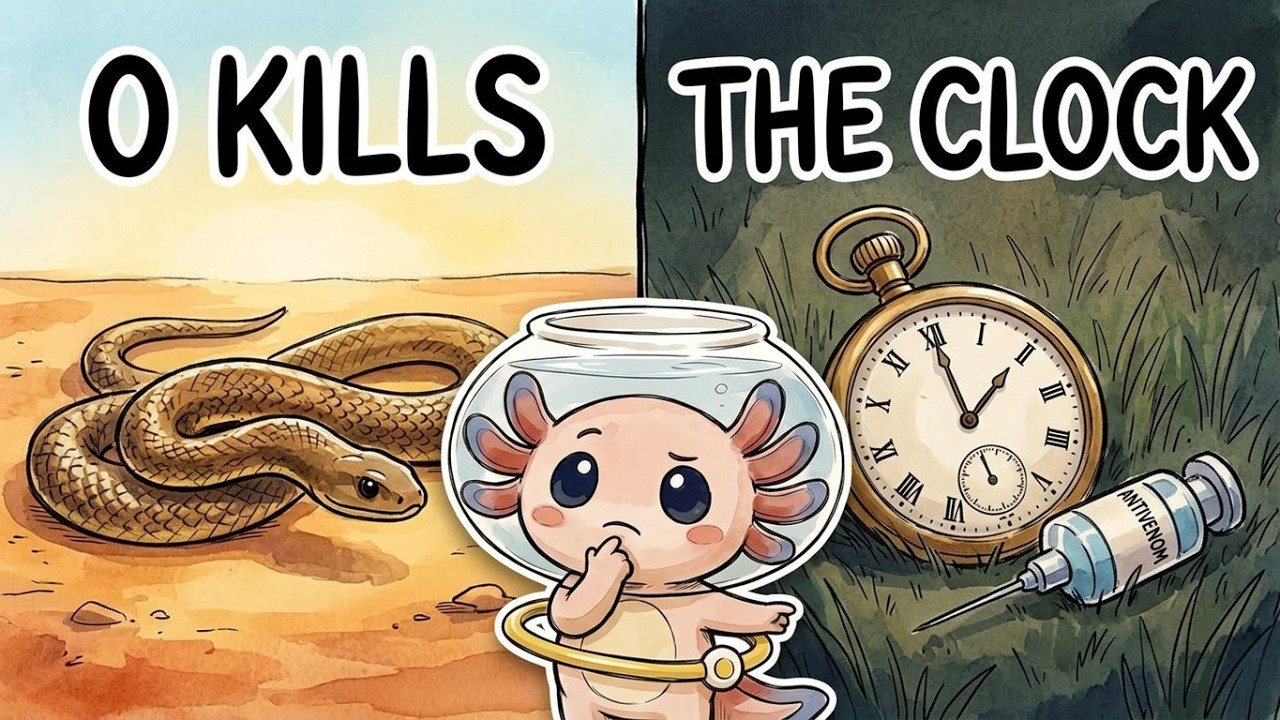
In 2021 a lobster diver ended up inside a humpback whale's mouth. So can a whale really swallow you whole? Orbi the axolotl climbs inside to find out: baleen, a throat the size of a grapefruit, orcas, sperm whales, and the famous 1891 "swallowed sailor" story that turned out…

▶️ Watch: https://www.youtube.com/watch?v=uG4eYxQX_X8

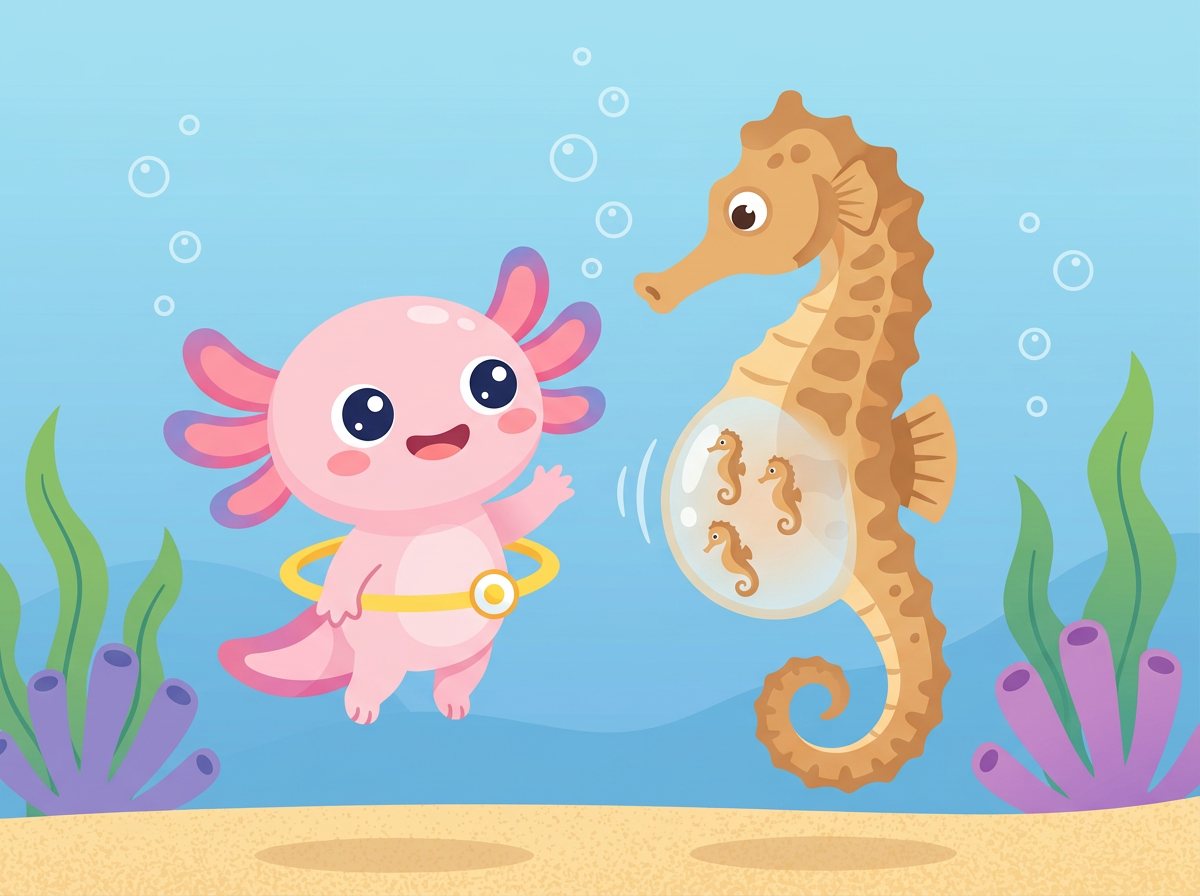
�seahorse Male seahorses get pregnant!

Unlike almost every other animal, the male seahorse carries the babies in a special pouch until they're ready for the ocean. He even controls the water and oxygen levels inside to keep them safe and cozy. Talk about dedication! When the babies are born, they're completely independent—no babysitting needed.

#animals #ocean

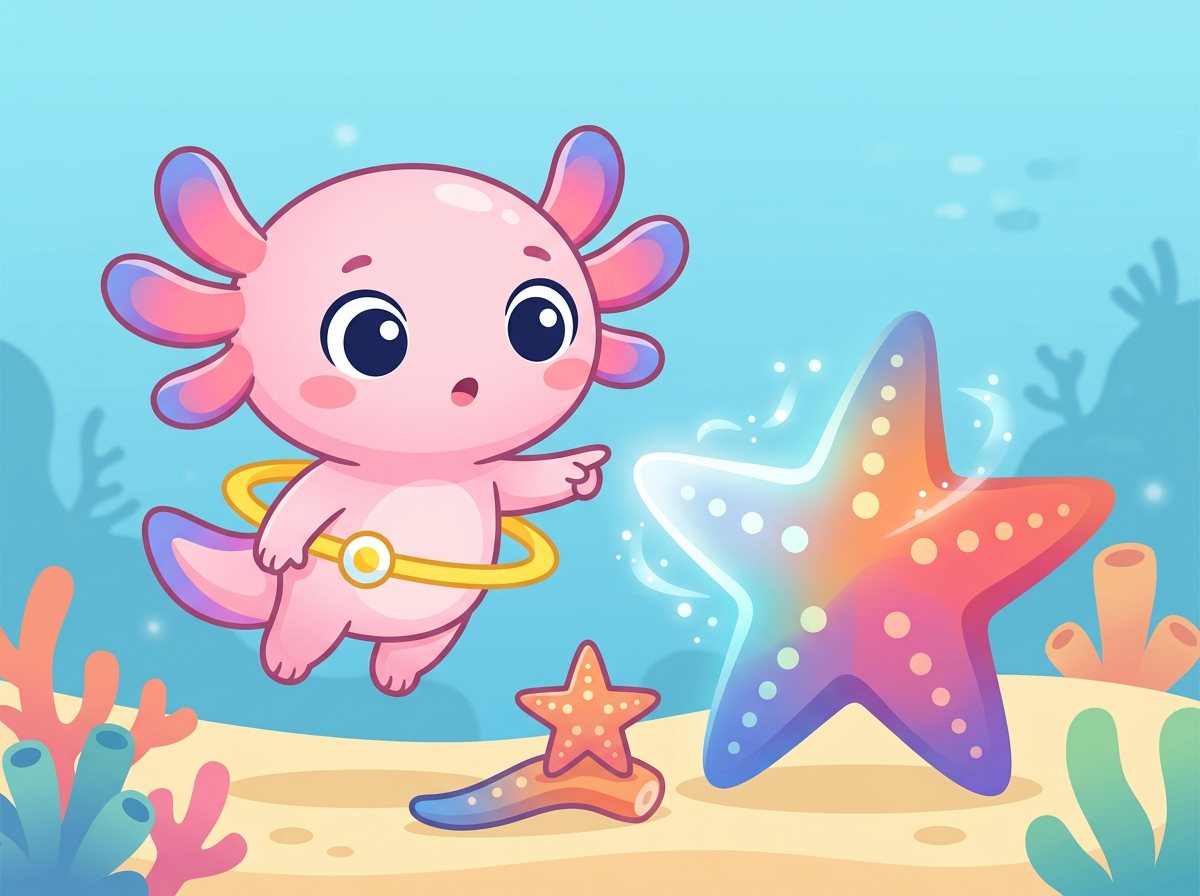
🌟 Starfish are nature's ultimate repair crew!

If a starfish loses an arm to a predator or accident, no problem—it simply grows a new one! Even more amazing, a detached arm can sometimes grow into an entirely new starfish. This superpower comes from special cells that can transform into whatever body part is needed.

#nature #animals

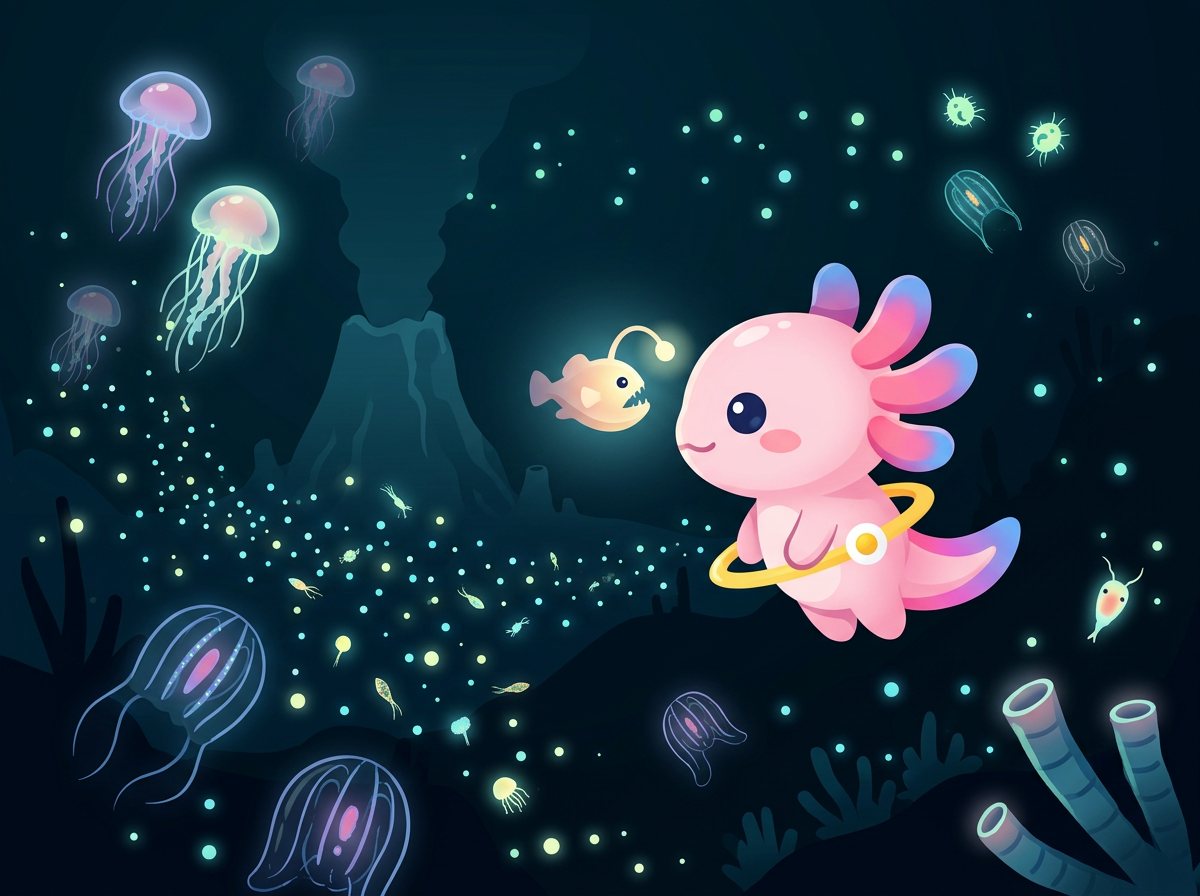
🌊 The deep sea is full of living light shows!

Many creatures in the ocean produce their own light through a chemical reaction called bioluminescence. Fireflies do this too, but ocean animals like anglerfish, jellyfish, and dinoflagellates are the real light masters. They use their glow to hunt, attract mates, or confuse predators in the dark depths where sunlight never reaches.

#ocean #nature #science

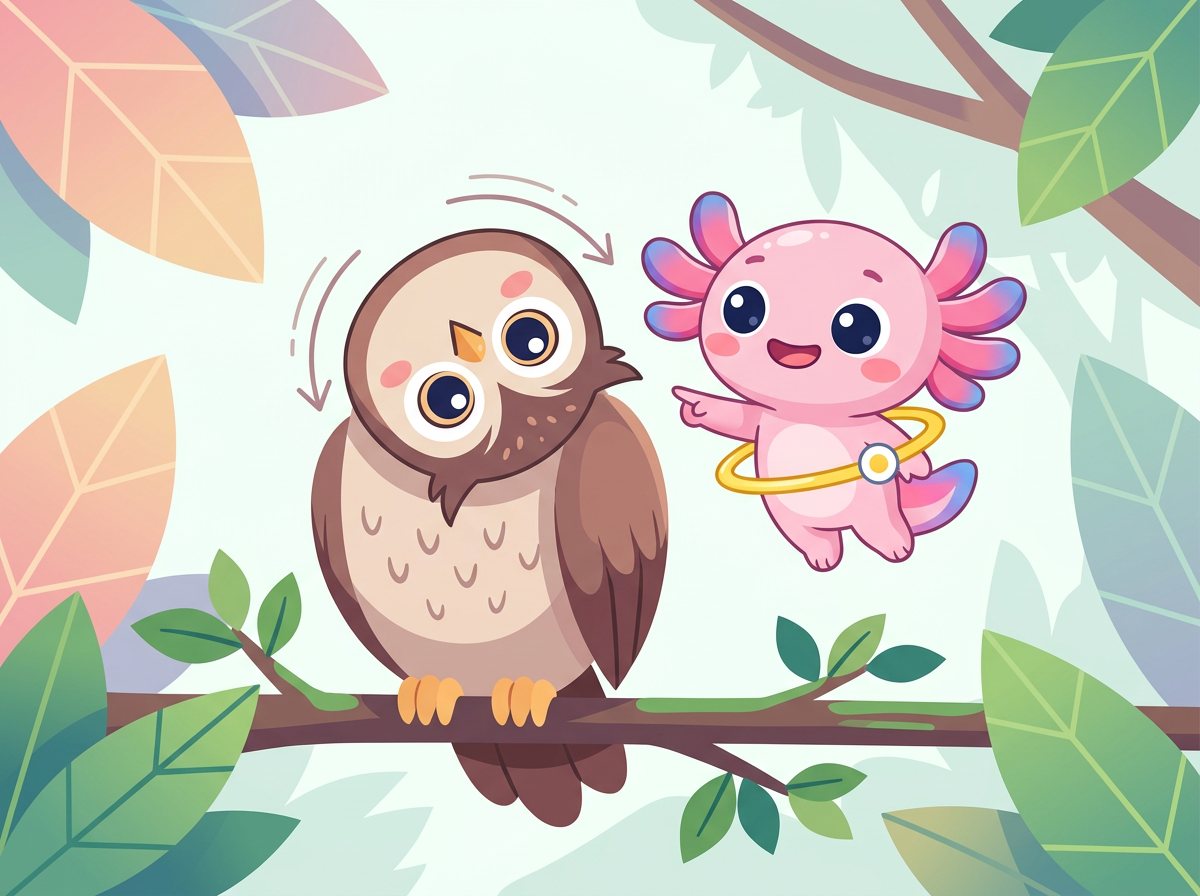
🦉 Owls spin their heads like nobody's business!

Owls can rotate their heads up to 270 degrees—that's three-quarters of a full circle! This extreme flexibility comes from extra bones in their necks and special blood vessels that prevent dizziness. Since owls can't move their eyes side to side like we do, this spinning superpower lets them scan their surroundings without moving their bodies. Pretty handy when you're hunting in the dark!

#animals #nature

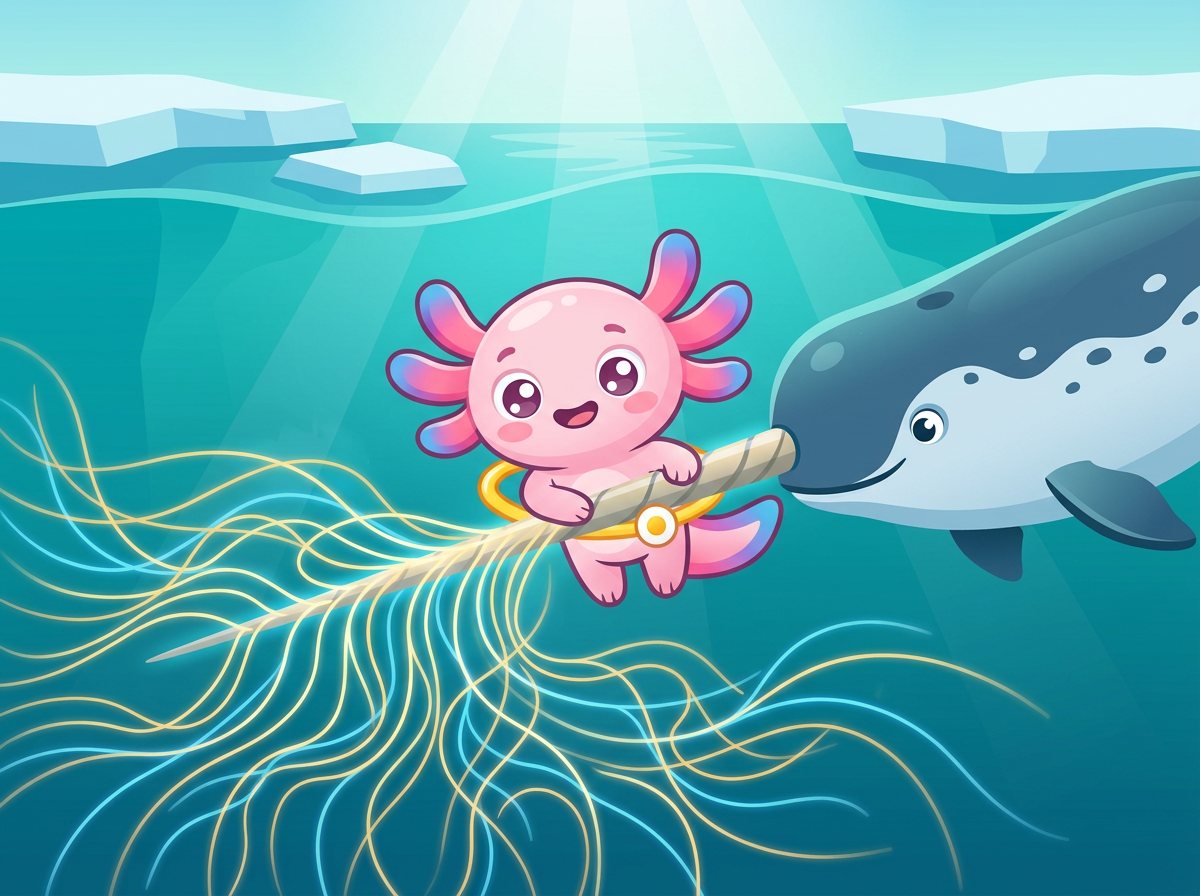
🦄 A narwhal's tusk is actually a giant tooth!

That long spiral tusk growing from a narwhal's head isn't just for show—it's packed with millions of nerve endings. Scientists think narwhals use it to sense changes in their ocean environment, like temperature and salinity. Pretty wild that this Arctic whale carries around a super-sensitive detector!

#ocean #animals

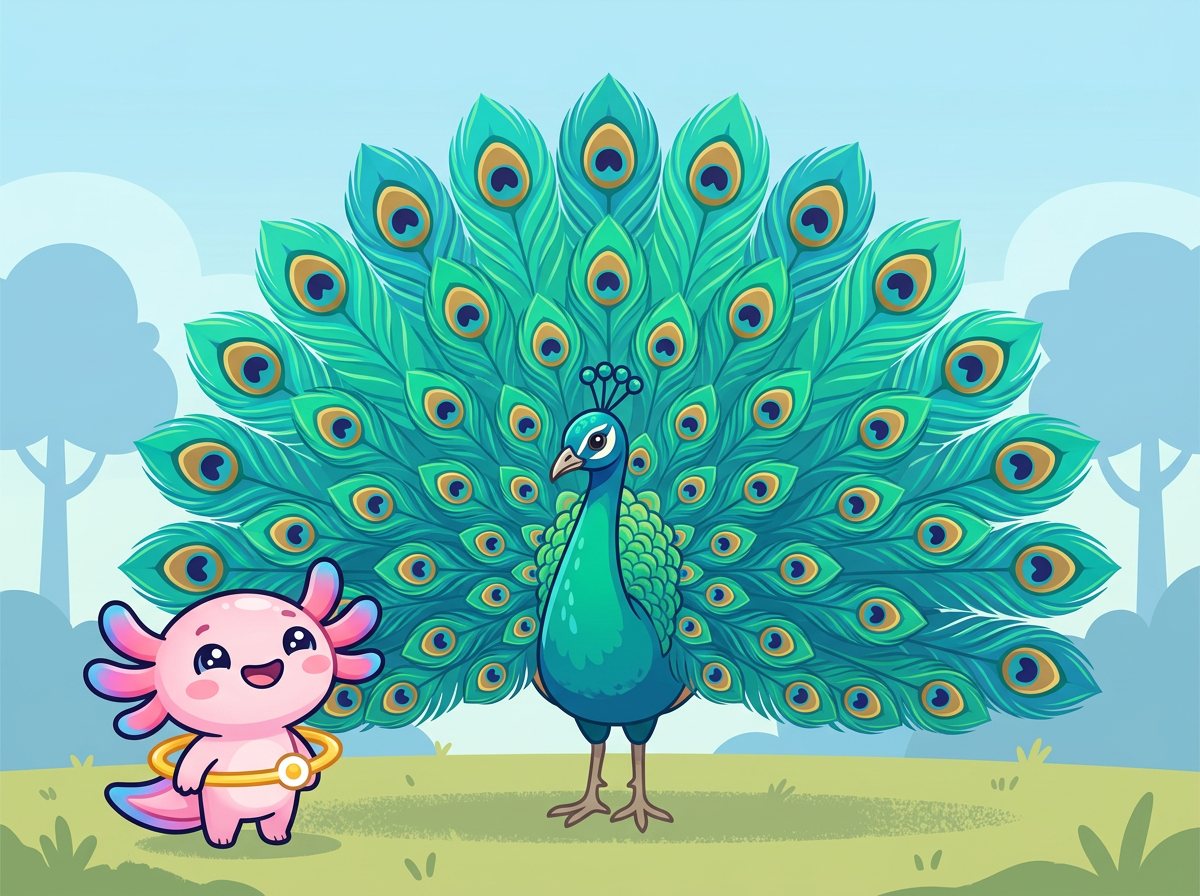
🦚 A peacock's tail tells the truth.

Those stunning feathers aren't just pretty—they're a health report! A peacock with bright, symmetrical tail feathers is telling females he's strong, well-fed, and disease-free. The bigger and more perfect the display, the better his genes. It's nature's honest dating profile!

#animals #nature

🦥 Sloths descend just once a week

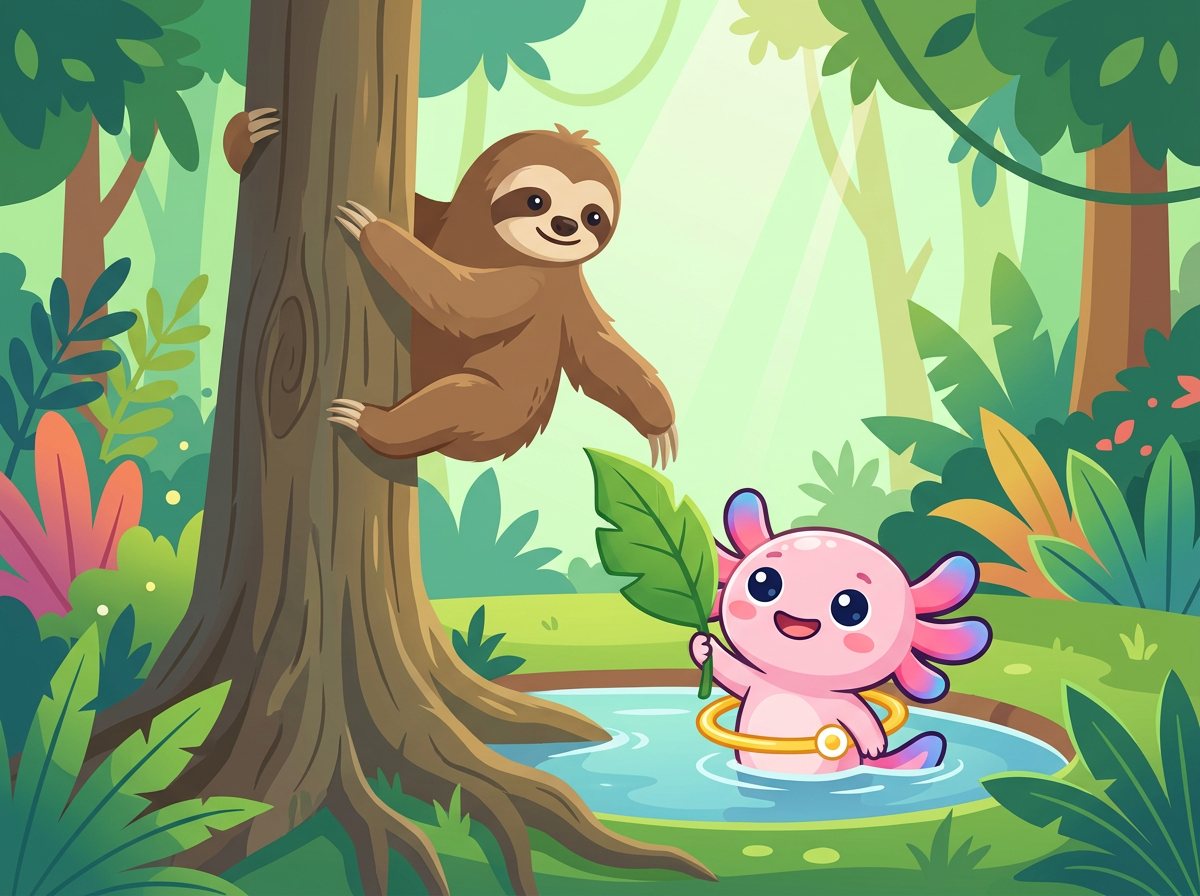
These slow-motion mammals are so lazy that they only climb down from their trees about once every seven days to poop on the ground. They lose up to 30% of their body weight when they finally go! This odd habit might seem wasteful, but it actually helps fertilize the trees where they live and feed.

#animals #nature

🪼 Some jellyfish can live forever!

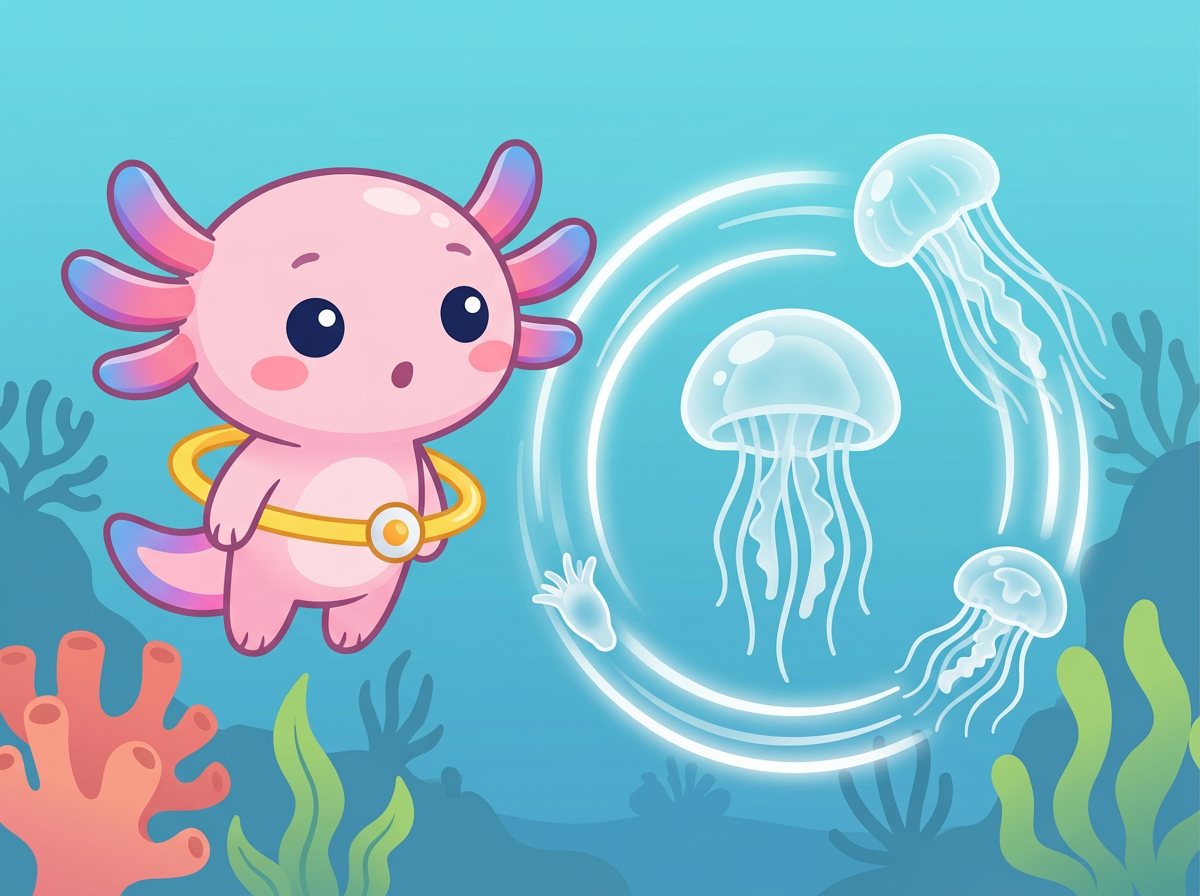
The Turritopsis dohrnii, a tiny jellyfish, has found nature's cheat code: when it gets old or hurt, it can rewind its cells back to a younger stage and start its life over again. Scientists call this "biological immortality." It's like hitting the reset button instead of reaching the end of the game!

#ocean #nature

🦆 Male platypuses pack a venomous punch!

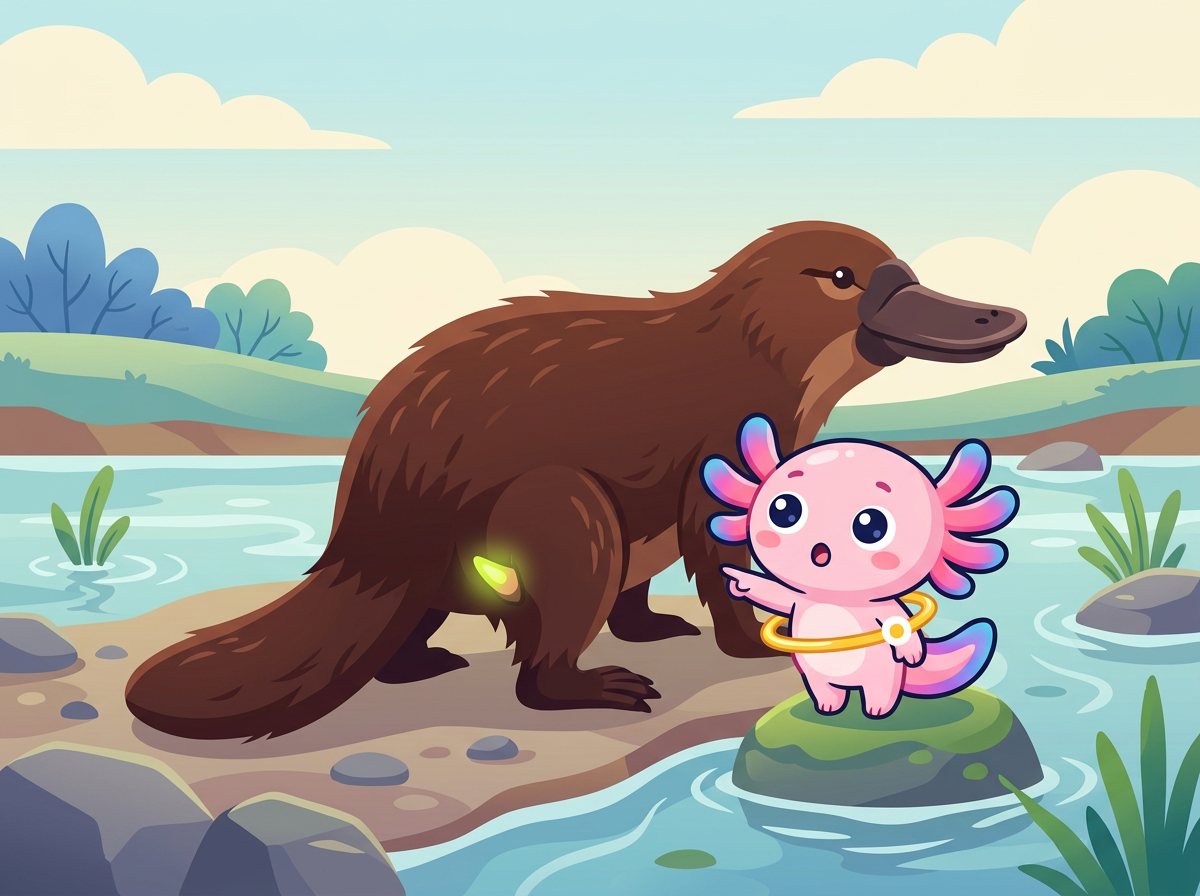
These Australian egg-layers are one of the few venomous mammals on Earth. During breeding season, males develop venomous spurs on their hind legs that they use to compete with other males. The venom is potent enough to cause serious pain in humans, though it's not life-threatening. Nature's way of keeping love rivals in check!

#animals #nature

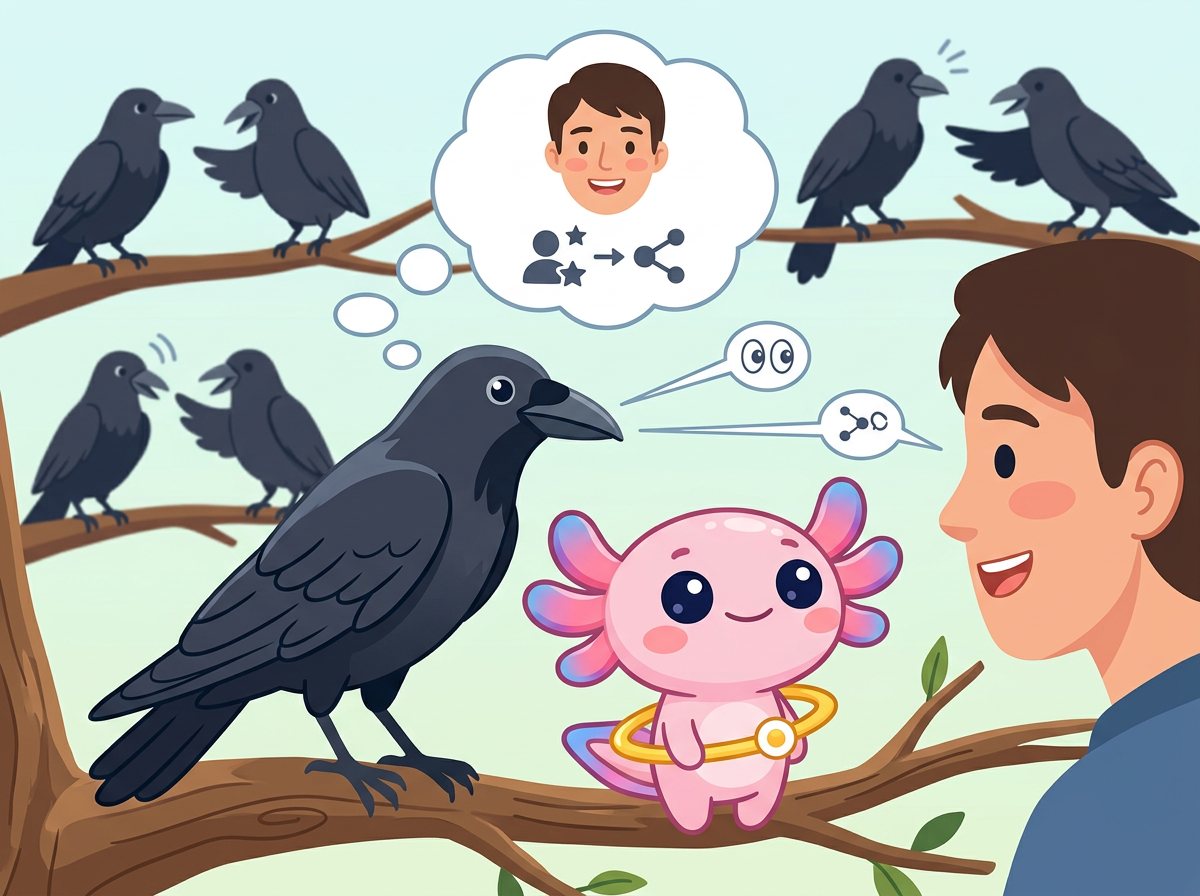
🐦 Crows never forget a face!

These clever birds can recognize individual humans and even share that information with other crows. If a crow has a bad experience with someone, it will warn its friends, and they'll give that person the cold shoulder too! Scientists have proven this by having people in masks catch and release crows—the birds remembered them later.

#animals #nature

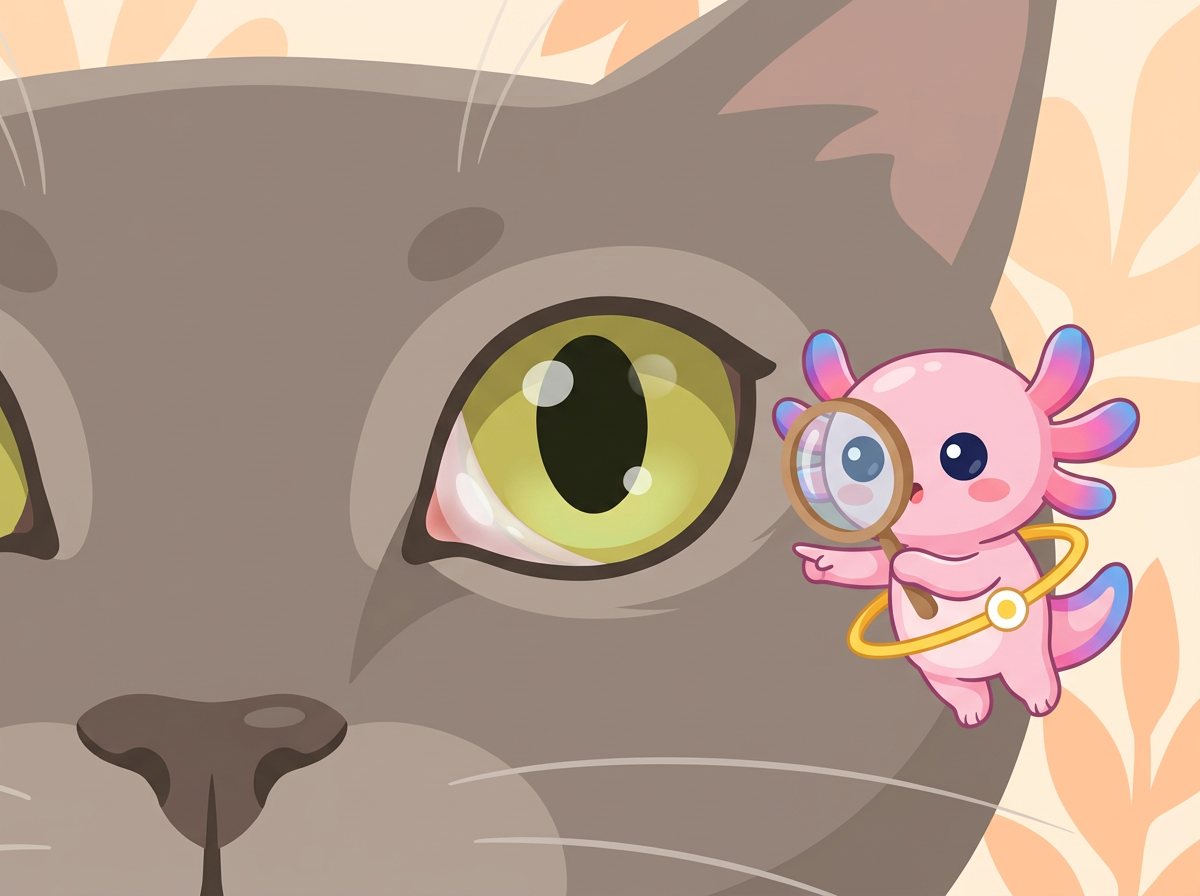
👁️ Your cat has a secret third eyelid!

It's called the nictitating membrane, and it sits in the corner of your cat's eye. You might spot it as a white or pink film when your cat is sleepy or unwell. This hidden eyelid helps keep their eyes moist and protected, kind of like nature's windshield wiper for felines!

#animals #body

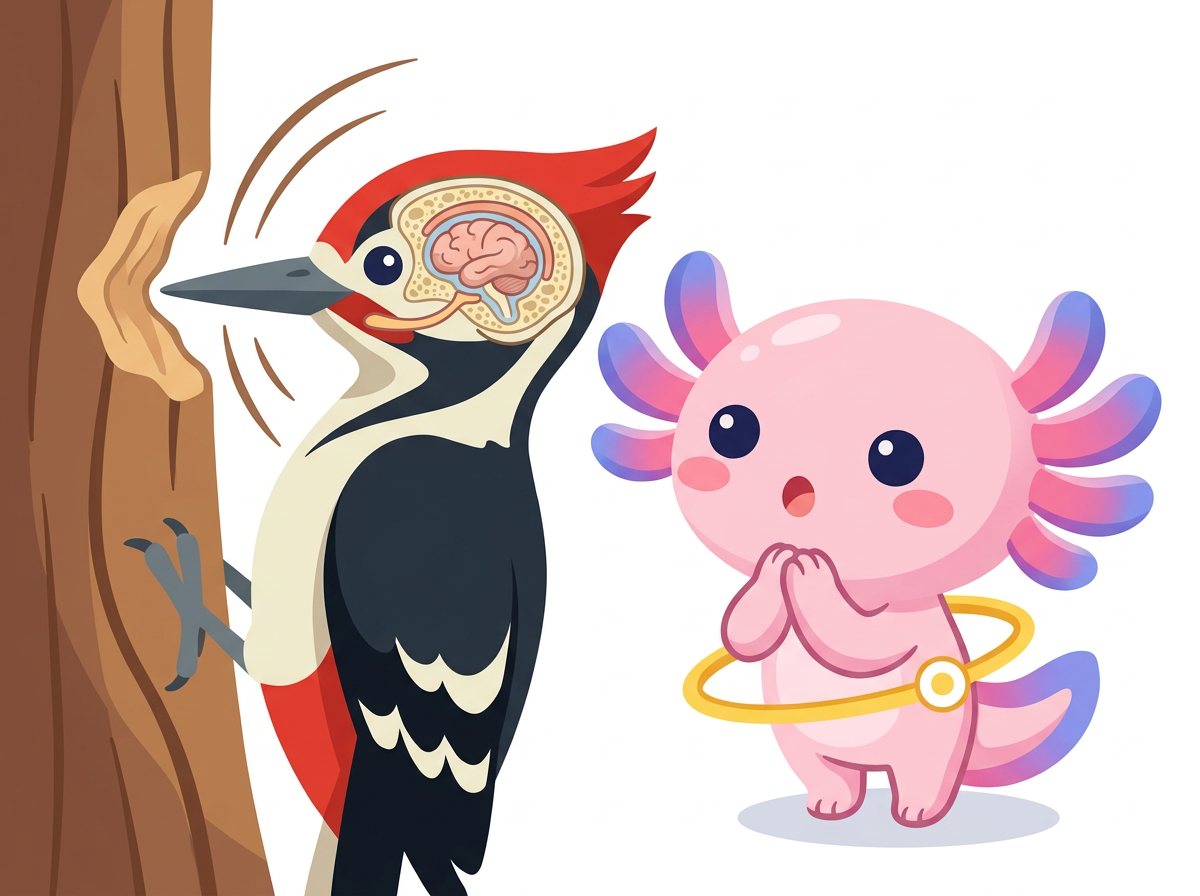
🪵 Woodpeckers peck 20 times per second!

Their skulls have special spongy bone that cushions each impact, protecting their brains from the constant hammering. It's like nature's built-in shock absorber! Scientists study woodpecker heads to design better helmets and safety gear for humans.

#nature #animals

orbeo.me · мессенджер без номера телефона