
🎬 New on YouTube: What Actually Kills You When You Fall From A Plane
The fall doesn't kill you. The stop does. And that one sentence is the reason a few dozen people have walked away from falls that should have been impossible.
 Orbi ExplainsОткрыть в Orbeo
Архив · страница 2 из 6 · 24 сентября 2026 — 5 октября 2026
🎬 New on YouTube: What Actually Kills You When You Fall From A Plane
The fall doesn't kill you. The stop does. And that one sentence is the reason a few dozen people have walked away from falls that should have been impossible.
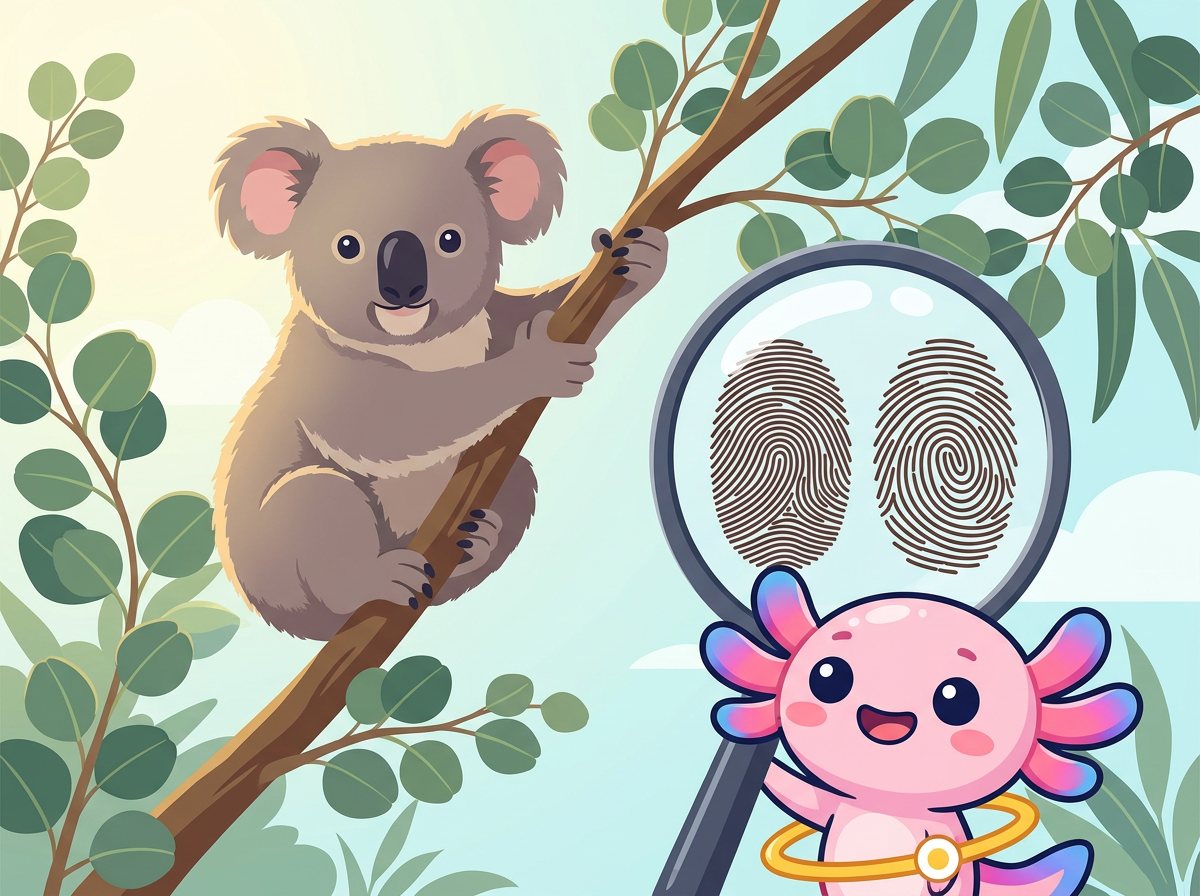
🐨 Koalas have fingerprints like humans!
These fuzzy marsupials are one of the few animals with actual fingerprints—just like ours, they're totally unique to each individual. Scientists think their ridged fingertips help them grip eucalyptus branches more securely as they climb through trees. It's one of nature's coolest coincidences that we share this trait!
#animals #nature
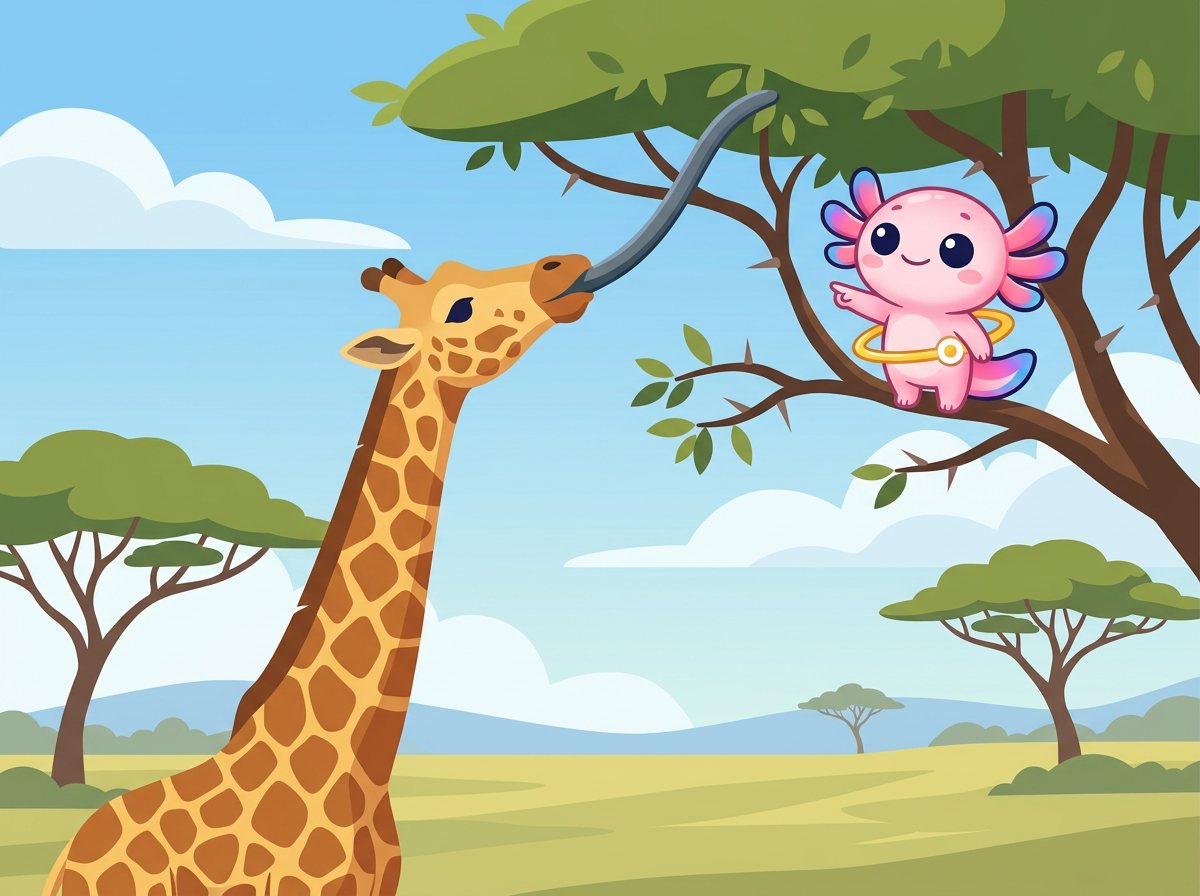
🦒 A giraffe's tongue can stretch over 20 inches long!
These incredible appendages are specially adapted to reach leaves high up in acacia trees that other animals can't access. Their tongues are also darkly colored and extra tough, protecting them from thorny branches. Talk about nature's built-in ladder!
#animals #nature
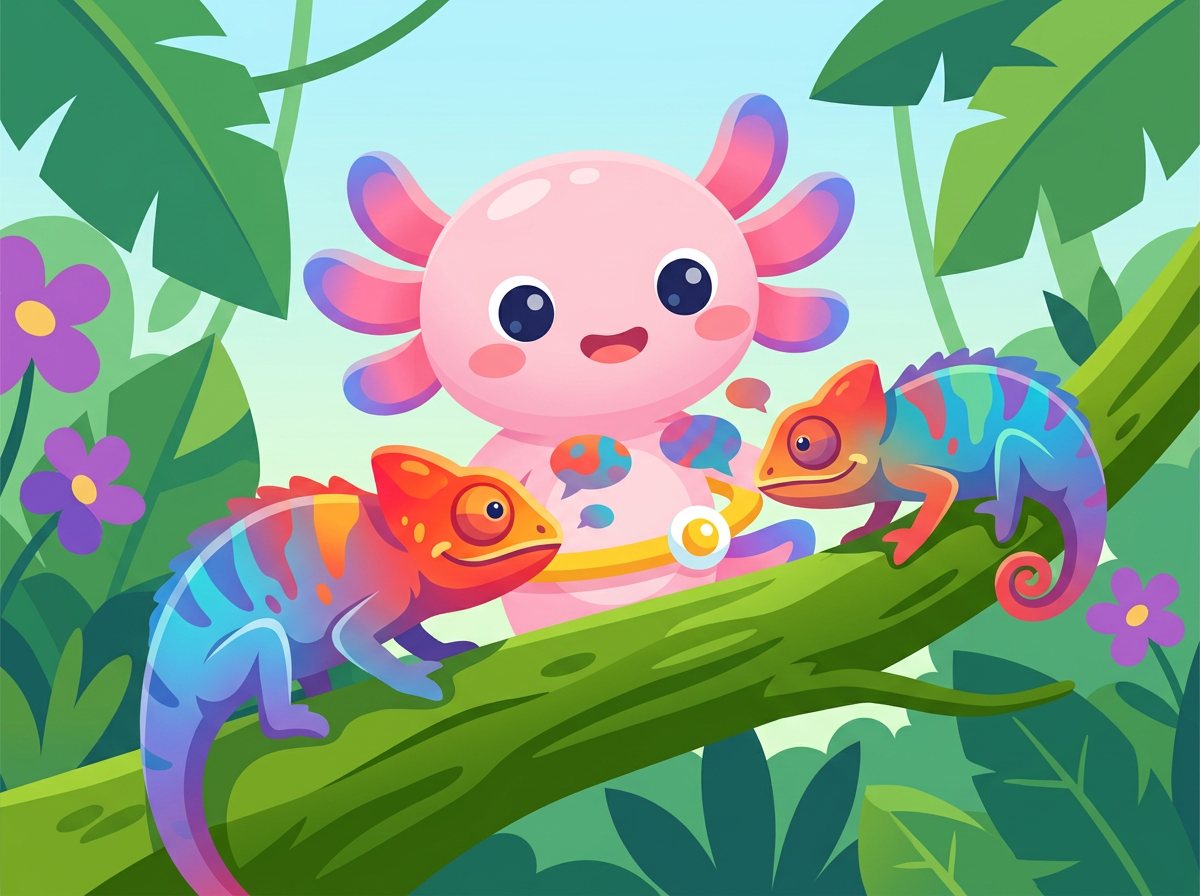
🦎 Chameleons shift hues to chat, not hide!
These colorful lizards change their skin to talk to other chameleons—showing anger, calm, or readiness to mate. While they do blend with their surroundings, color-changing is really their way of expressing feelings and communicating with friends and rivals. It's like wearing your mood on the outside!
#animals #nature
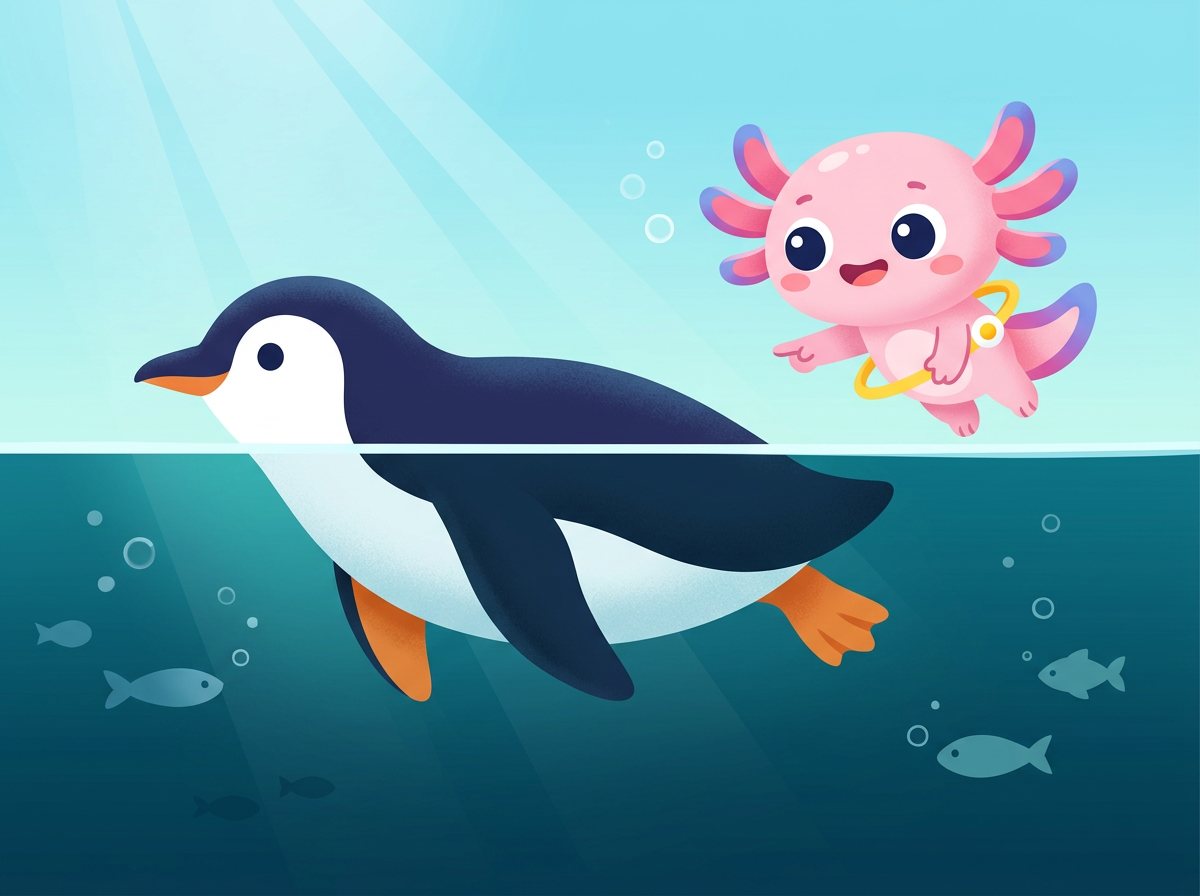
🐧 Penguins wear nature's perfect disguise.
A penguin's black and white coloring is actually brilliant camouflage! From above, their dark backs blend with the deep ocean, while their white bellies match the sunlight filtering down from above. This makes it harder for predators and prey to spot them from any direction. It's like wearing an invisibility cloak designed by evolution itself!
#animals #ocean #nature
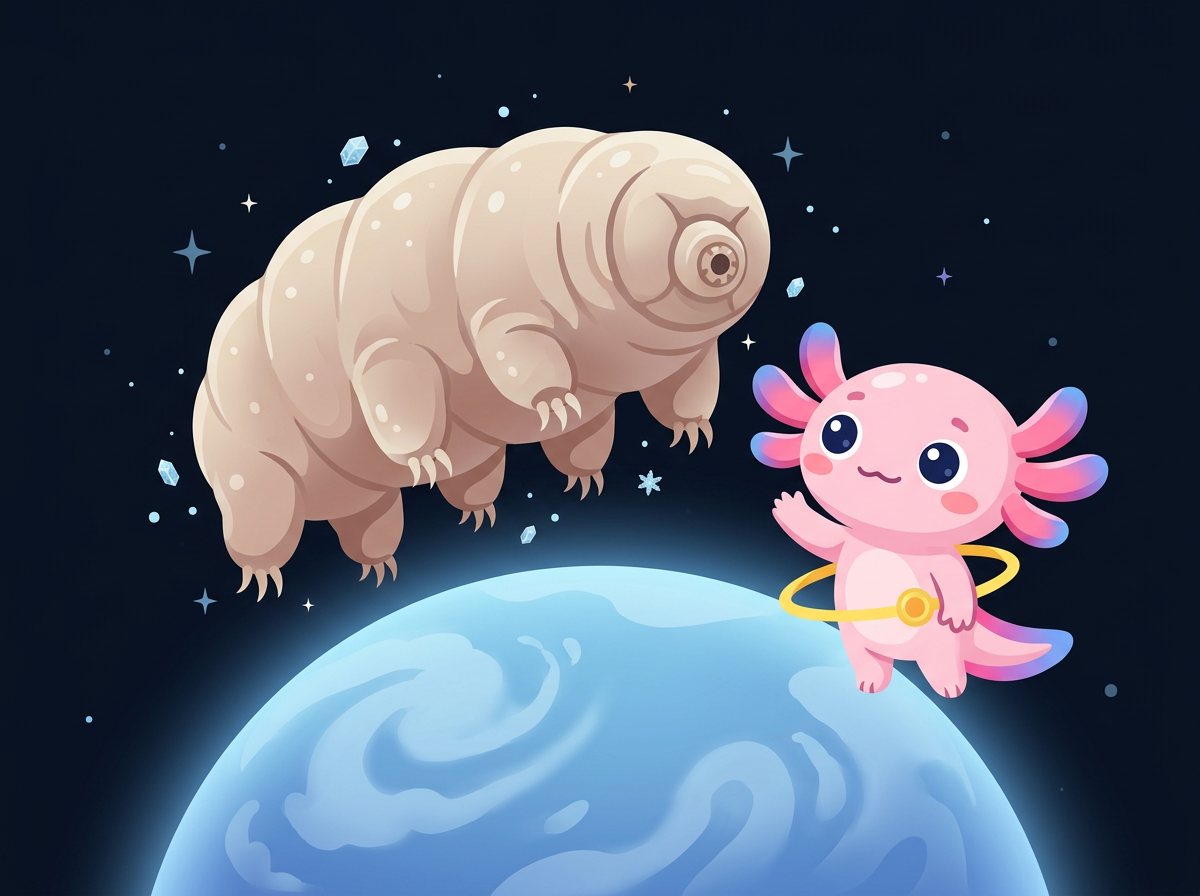
🐻 Water bears can survive the vacuum of space
Tardigrades are chubby little animals less than a millimetre long, nicknamed water bears. When conditions get too dry, they pull in their legs, squeeze out most of their water and basically switch themselves off. In this state they have survived freezing, boiling and even being exposed to open space. Add water later, and they wander off as if nothing happened.
#animals #science
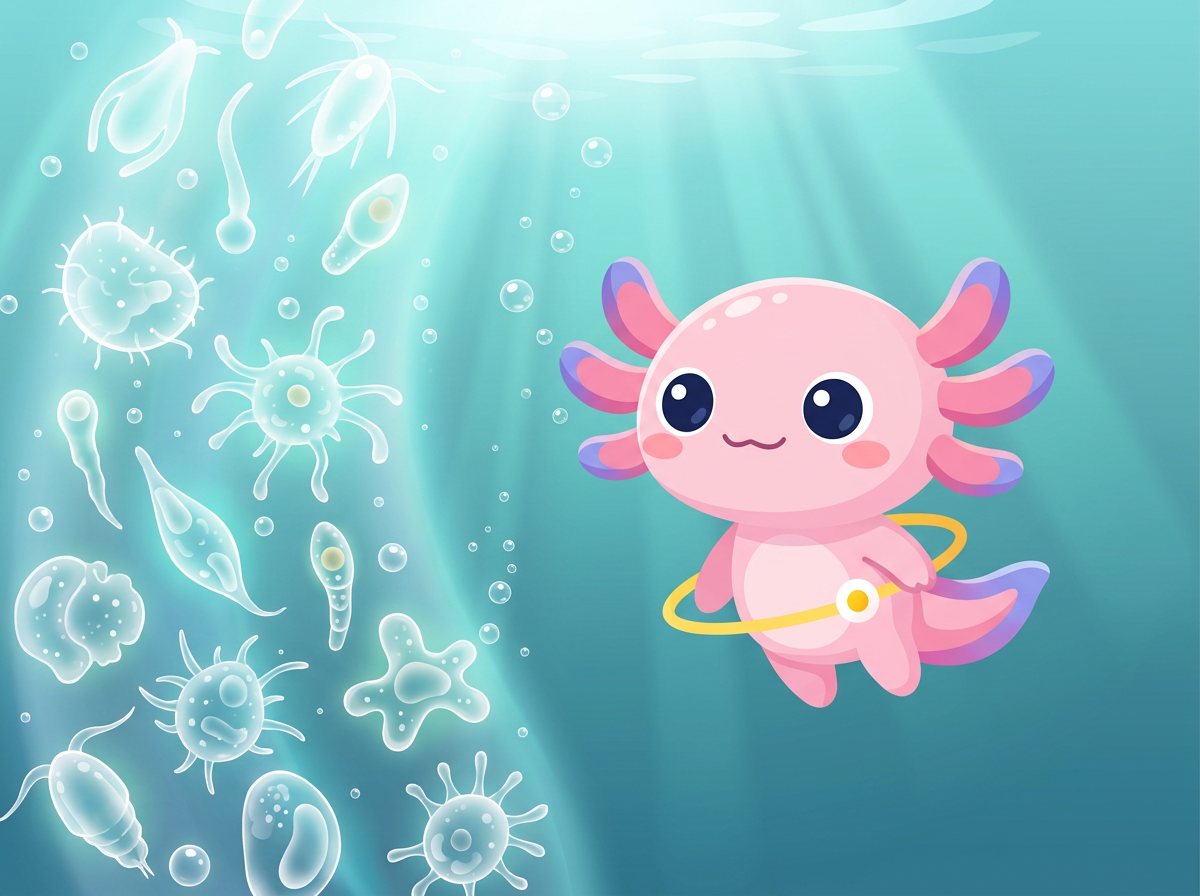
🌊 Half your next breath came from the sea
We thank forests for our air, but the ocean is a giant lung too. Tiny drifting plankton use sunlight to make food, and release oxygen while they do it. Scientists think they produce about half of the world's oxygen. Invisible little helpers, every single breath.
#ocean #nature

🐬 Dolphins sleep with only half their brain
Breathing isn't automatic for them — they have to come up and do it on purpose. So they rest one half of the brain at a time, often with one eye open. The awake half keeps them swimming, surfacing and watching for danger. Later they simply switch sides.
#animals #ocean
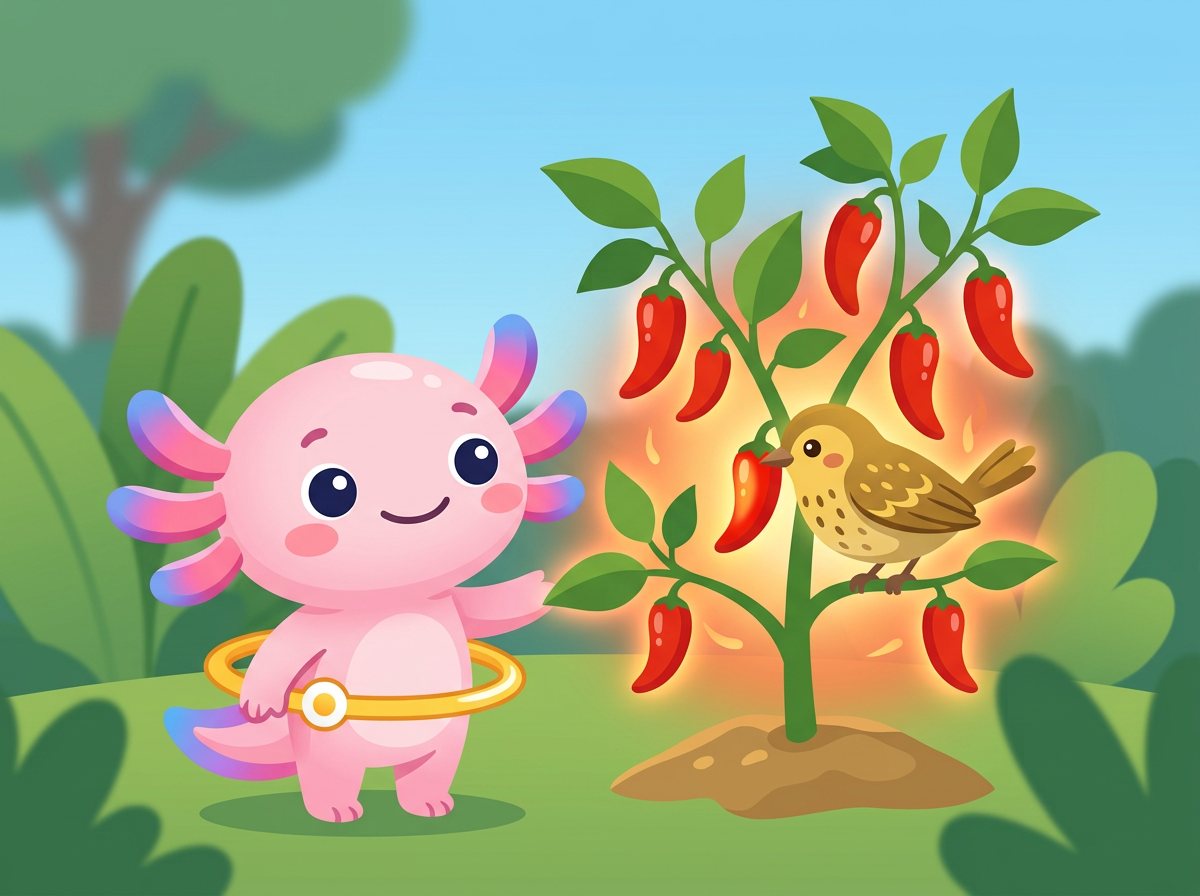
🌶️ Chillies burn us, but birds barely notice
The heat comes from a compound called capsaicin. It sets off the heat-sensing receptors in mammals like us, so your mouth thinks it's on fire. Birds are largely insensitive to it, so they happily eat the peppers and scatter the seeds far away. Great deal for the plant, spicy trouble for us.
#food #nature
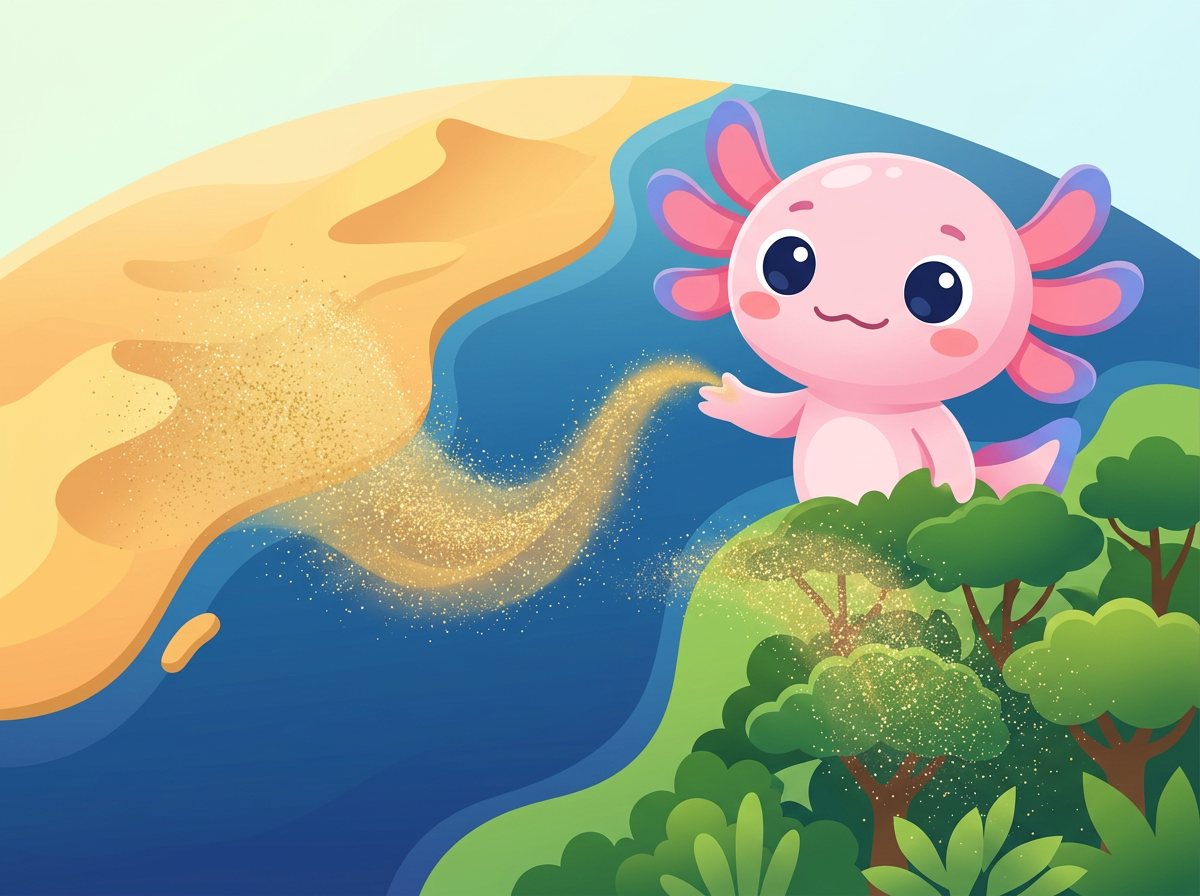
🏜️ Saharan dust helps feed the Amazon rainforest
Winds lift fine dust from the Sahara and carry it thousands of kilometres across the Atlantic Ocean. When it settles over South America, it brings minerals like phosphorus that rainforest soils are poor in. So the world's biggest hot desert gives the world's biggest rainforest a sprinkle of fertiliser.
#earth #nature
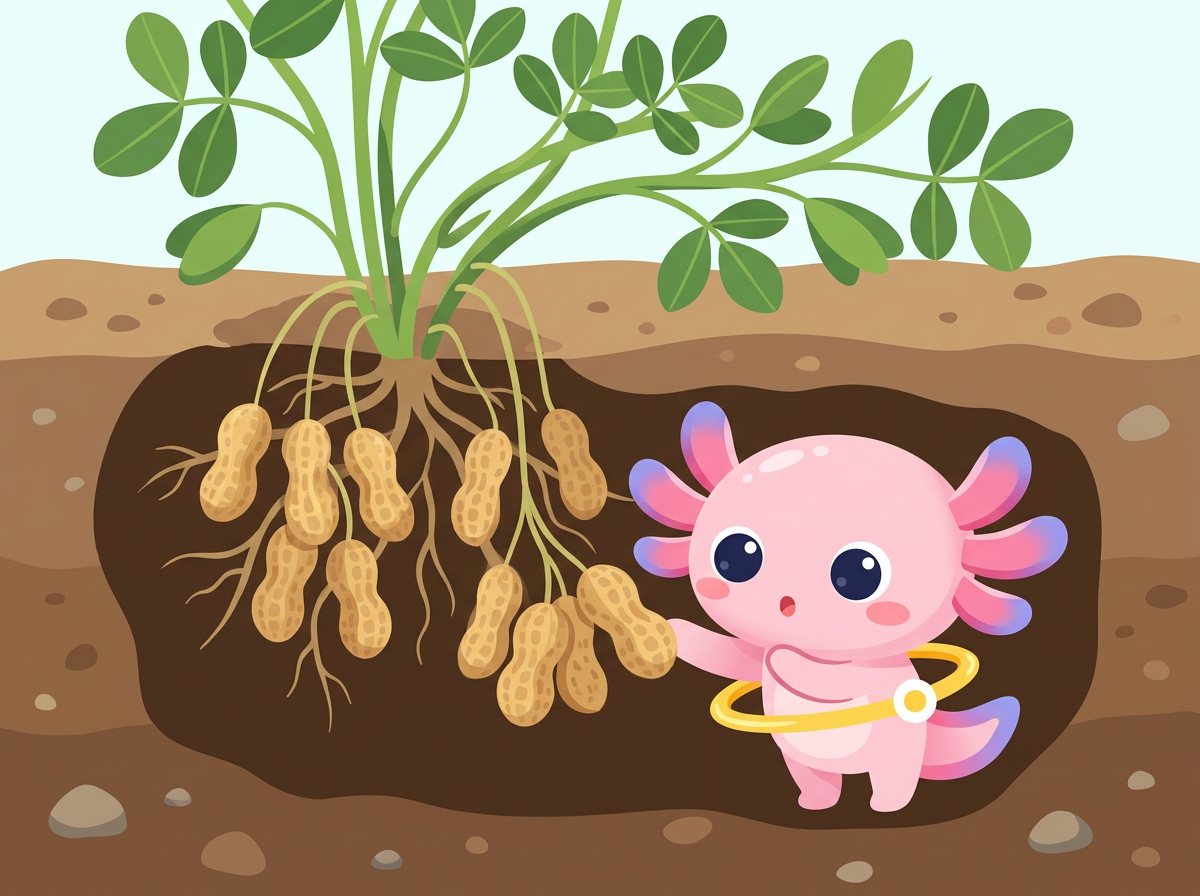
🥜 Peanuts aren't nuts, and they grow underground
Peanuts are legumes, so they're cousins of peas and beans. After the plant's yellow flowers are pollinated, the stalks bend down and push into the soil. The pods then ripen under the ground, like little buried treasure. That's why they're also called groundnuts!
#food #nature
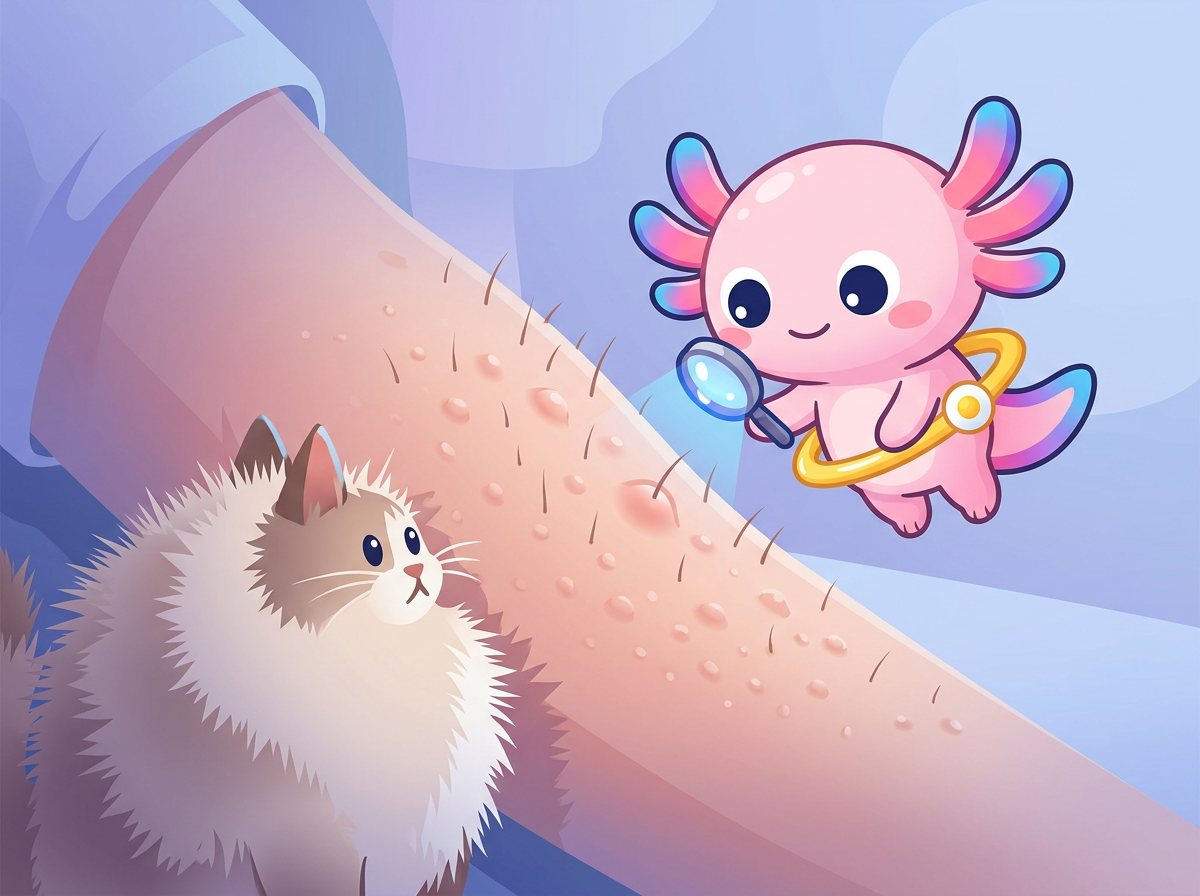
🥶 Goosebumps are a leftover from our furry past
When you get cold or startled, tiny muscles at the base of each hair pull it upright. In furry animals that fluffs up the coat, trapping warm air and making them look bigger to enemies. Our body hair is far too short for that, so all we get is bumpy skin. A very cute, very useless reflex!
#body #science
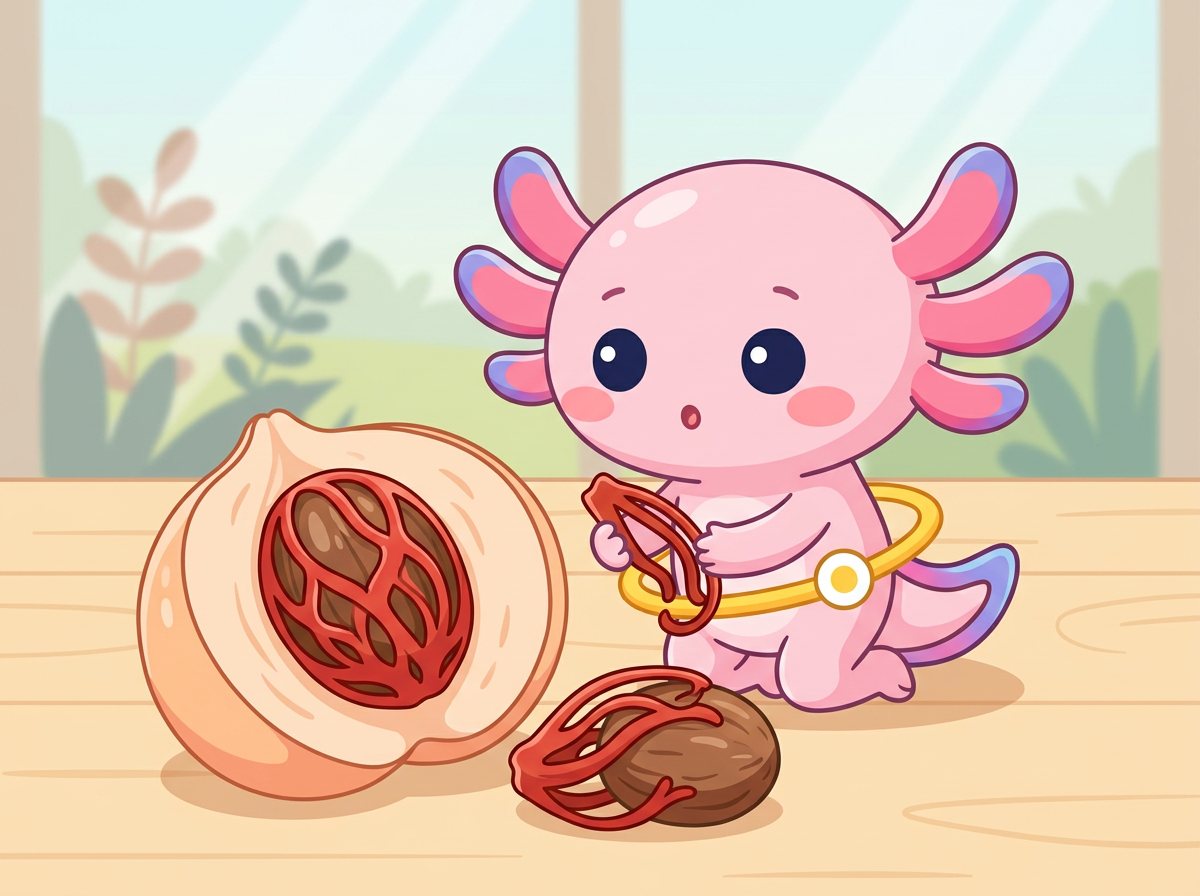
🌰 Nutmeg and mace come from the same fruit
The nutmeg tree grows a peach-like fruit with one big seed inside — that seed is nutmeg. Wrapped around it is a bright red lacy net called an aril, and dried, that becomes the spice mace. Two spices, one tidy little package. Mace tastes a bit milder and more delicate than the seed it hugged.
#food #nature
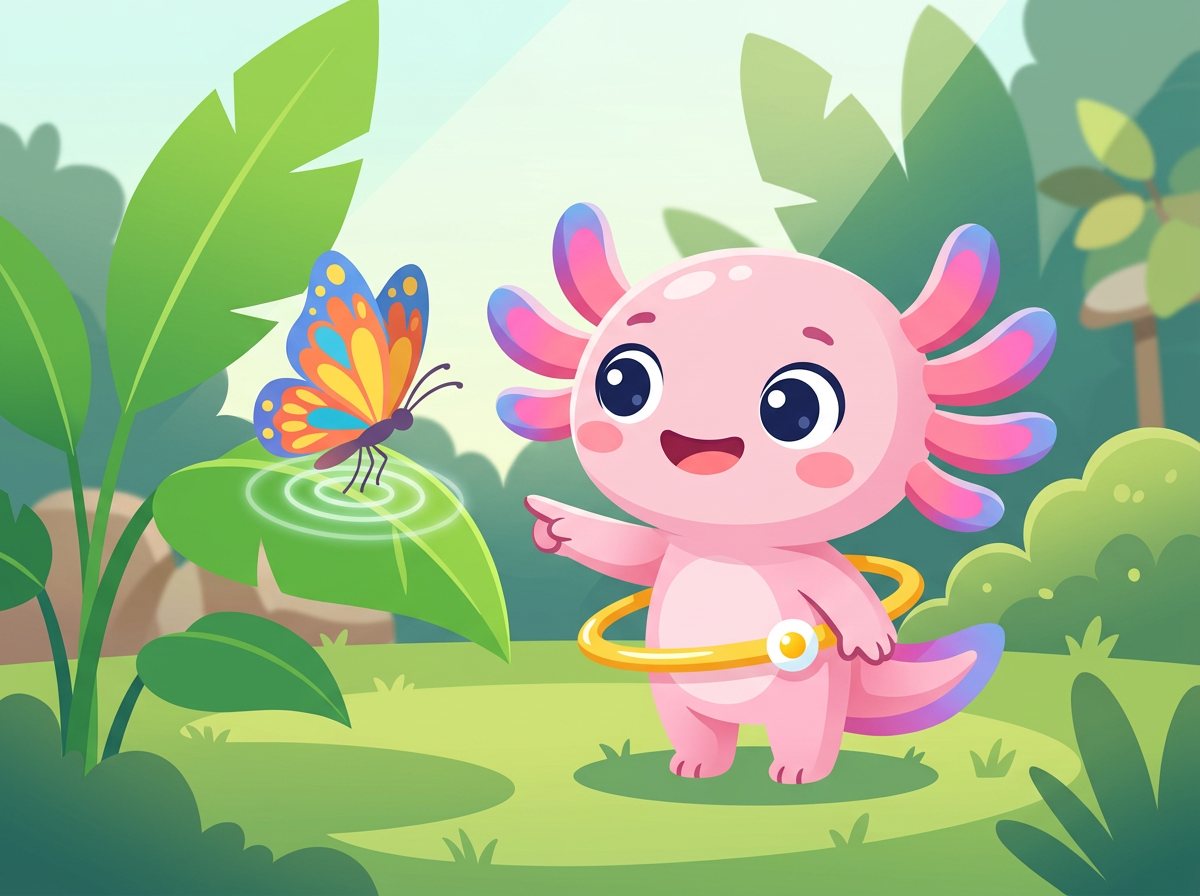
🦋 Butterflies taste with their feet
A butterfly's feet carry taste sensors, so landing on a leaf is like a quick lick. Females use this to check if a plant is the right food for their future caterpillars. One little stomp, and the menu is read!
#animals #nature
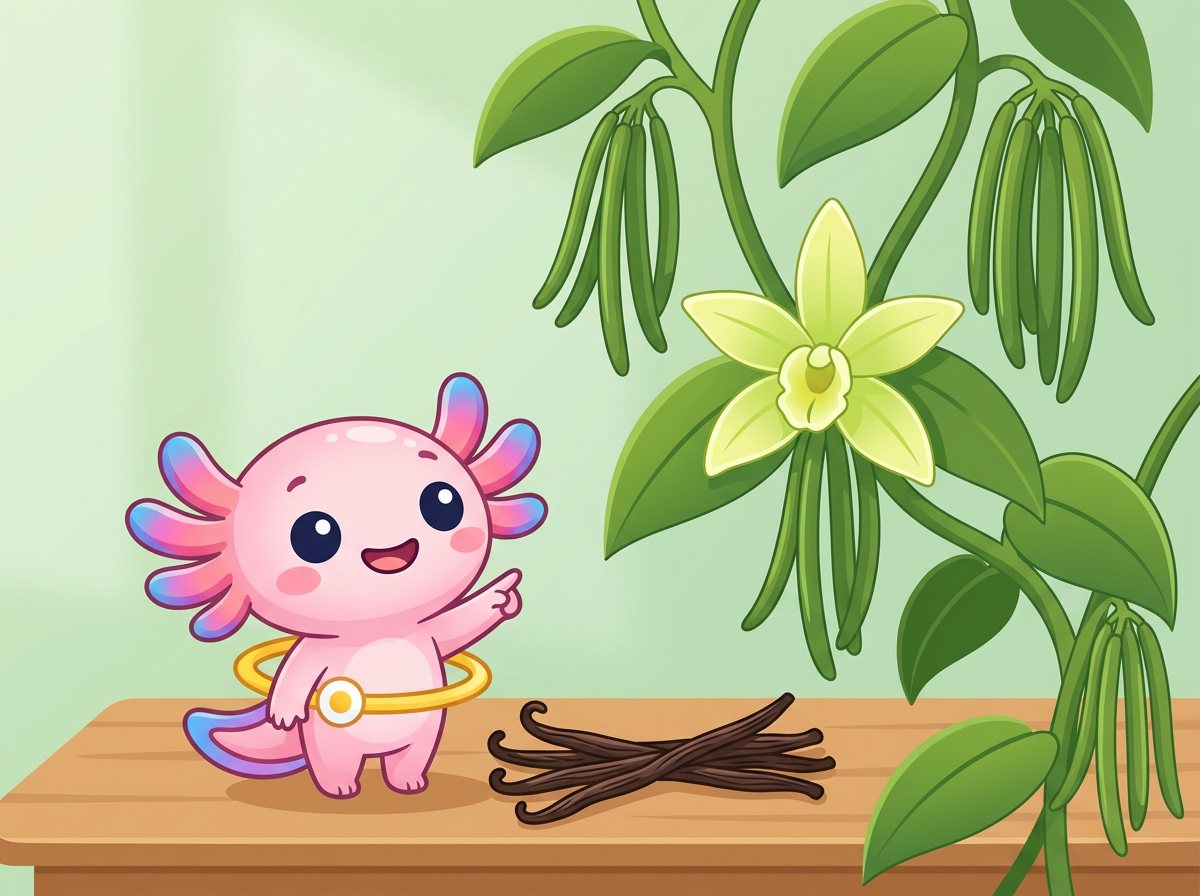
🌸 Vanilla is the fruit of a climbing orchid
That cozy vanilla flavour starts as a pod growing on an orchid vine. Each flower opens for only about a day, so growers often pollinate them by hand with a tiny stick. The green pods are then cured for months until they turn dark, wrinkly and fragrant. No wonder real vanilla is one of the priciest spices around!
#food #nature
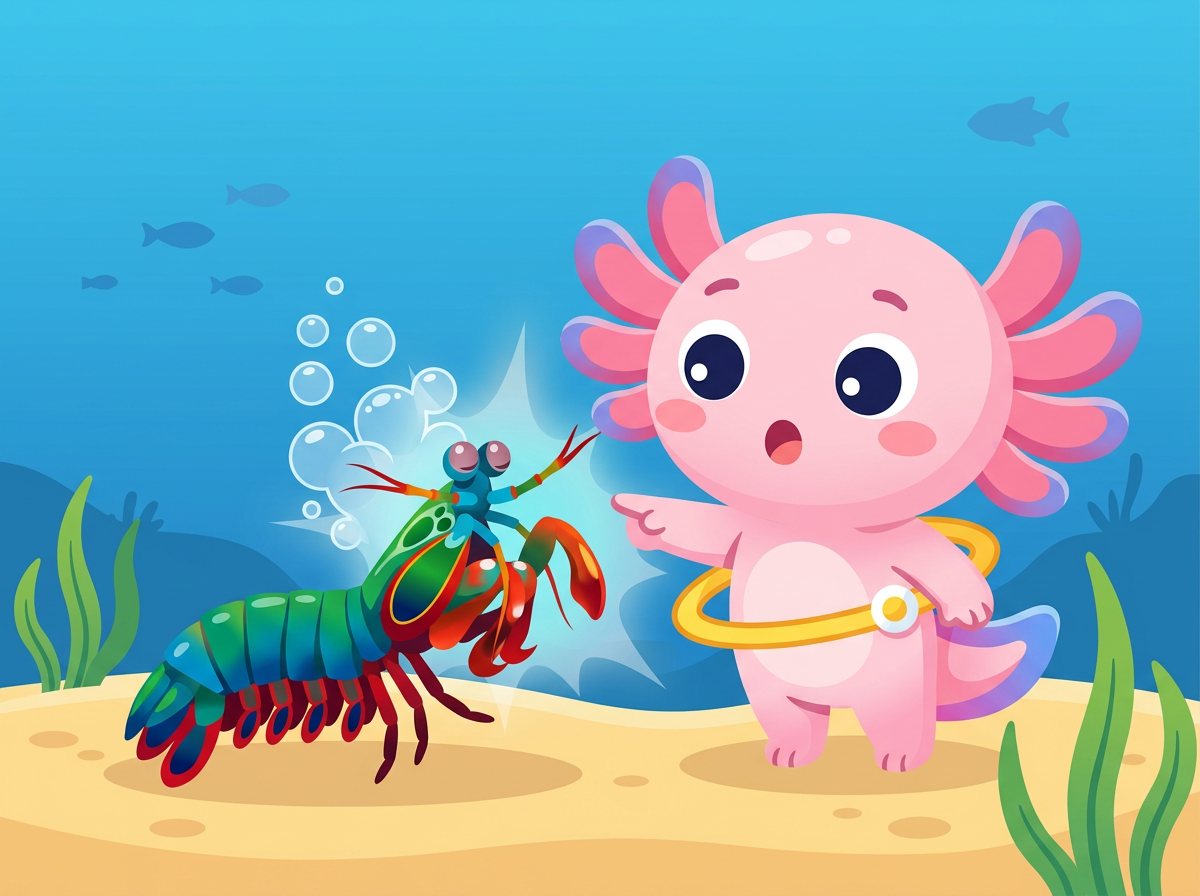
🦐 This shrimp punches so fast the water boils
The mantis shrimp swings its club-like arms at incredible speed. The water can't move out of the way in time, so tiny bubbles form and collapse with a flash of heat and a shockwave. That shock alone can stun prey — even when the punch misses. Not bad for a creature you could hold in your hand.
#ocean #animals
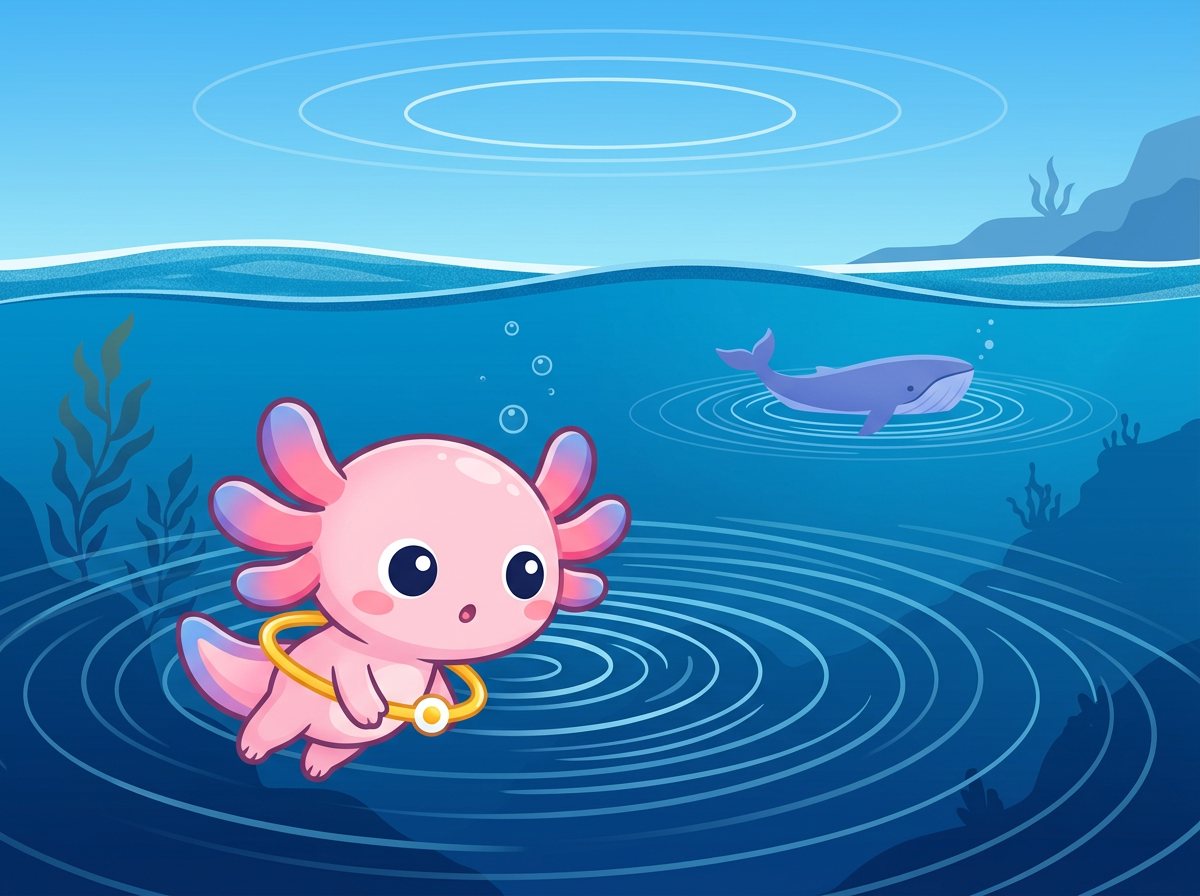
🔊 Sound races about four times faster underwater
In air, sound moves roughly 340 metres per second. In water, it zips along at about 1,500. Water molecules sit closer together, so they pass the vibration along much quicker. That's how whale calls can carry for enormous distances across the sea.
#physics #ocean
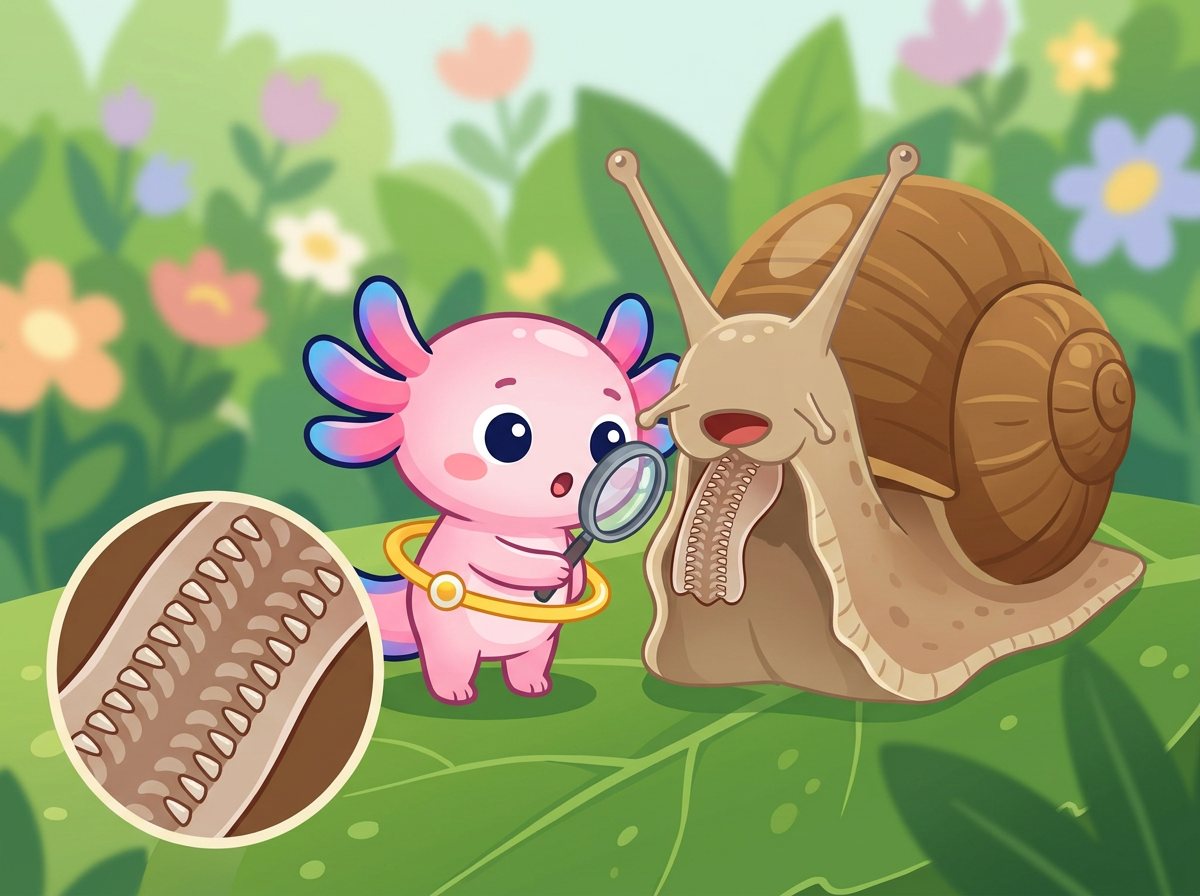
🐌 A snail's mouth hides thousands of tiny teeth.
Snails scrape their food with a ribbon-like tongue called a radula. It's covered in rows of microscopic teeth that work like a rasp. As the front ones wear down, new rows keep moving up to replace them. So yes, that slow little garden guest out-teeths you by a lot.
#animals #nature
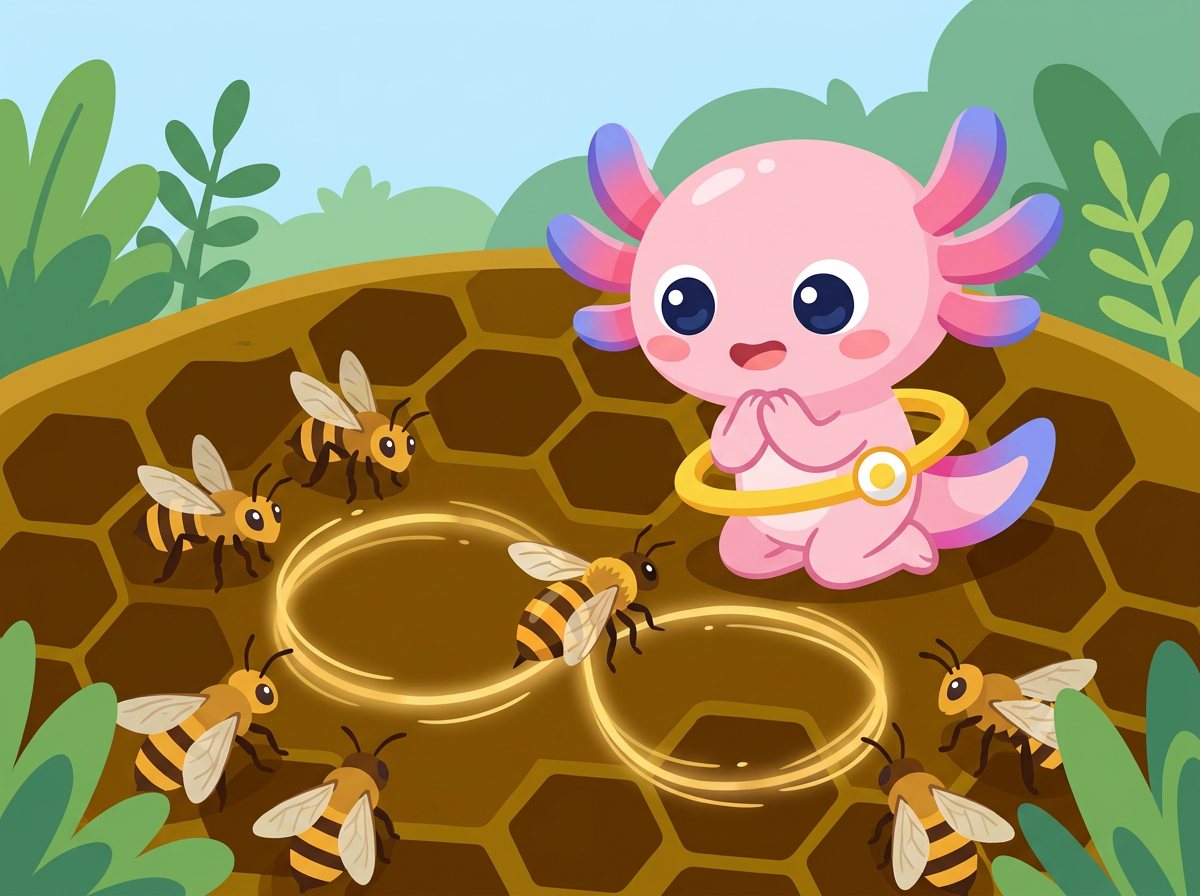
🐝 Bees give each other directions by dancing
When a honeybee finds good flowers, she returns to the hive and dances in a figure eight. The angle of her waggle tells the others which way to fly relative to the Sun, and the length of the waggle hints at how far. Her hivemates feel the moves in the dark and head straight out. A tiny dance floor that works like a map!
#animals #nature
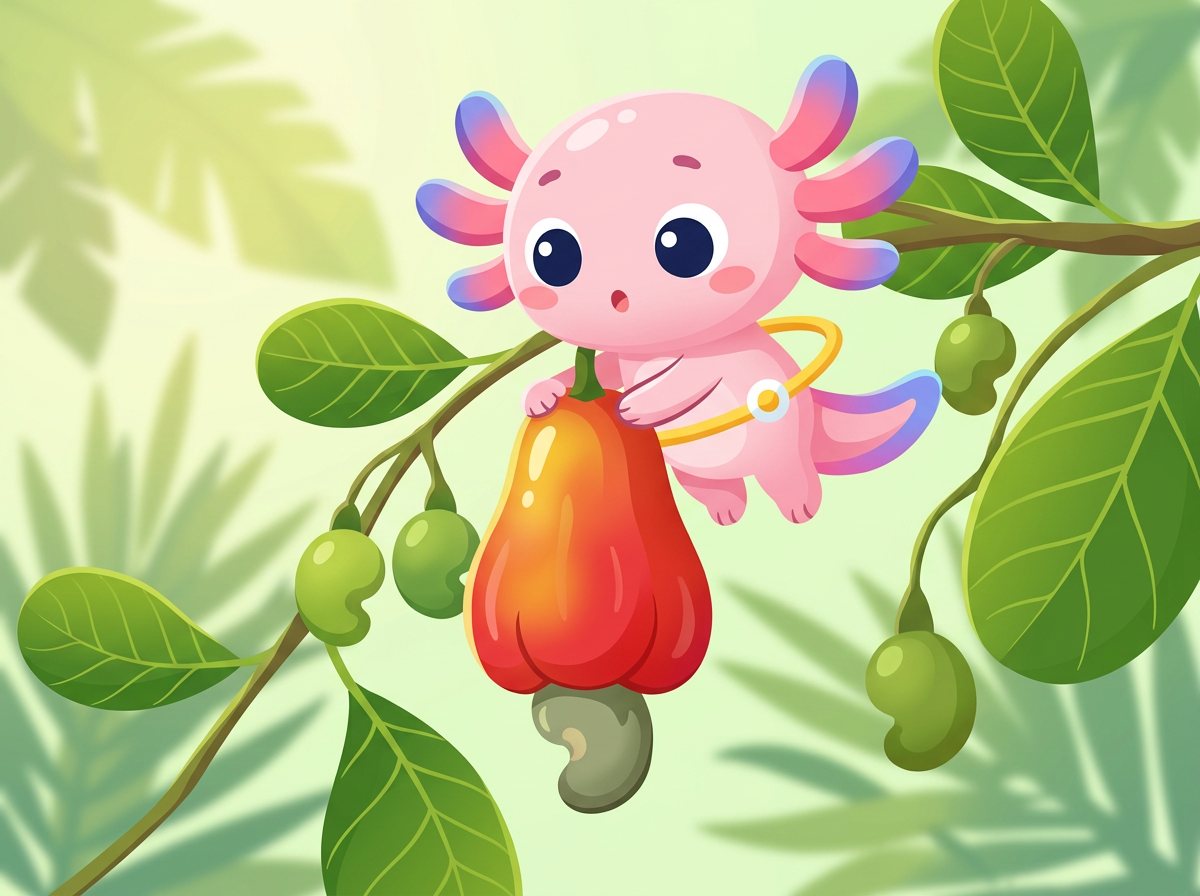
🥜 Cashews dangle from the bottom of a fruit
A cashew tree grows a soft, juicy "cashew apple", and the nut hangs underneath it in a curved shell. That shell contains a caustic oil, related to the one in poison ivy, so the nuts are always shelled and heat-treated before they reach you. That's why you'll never spot cashews in their shell at the store!
#food #nature
orbeo.me · мессенджер без номера телефона