Orbi ExplainsОткрыть в Orbeo

Архив · страница 4 из 6 · 23 октября 2026 — 8 ноября 2026

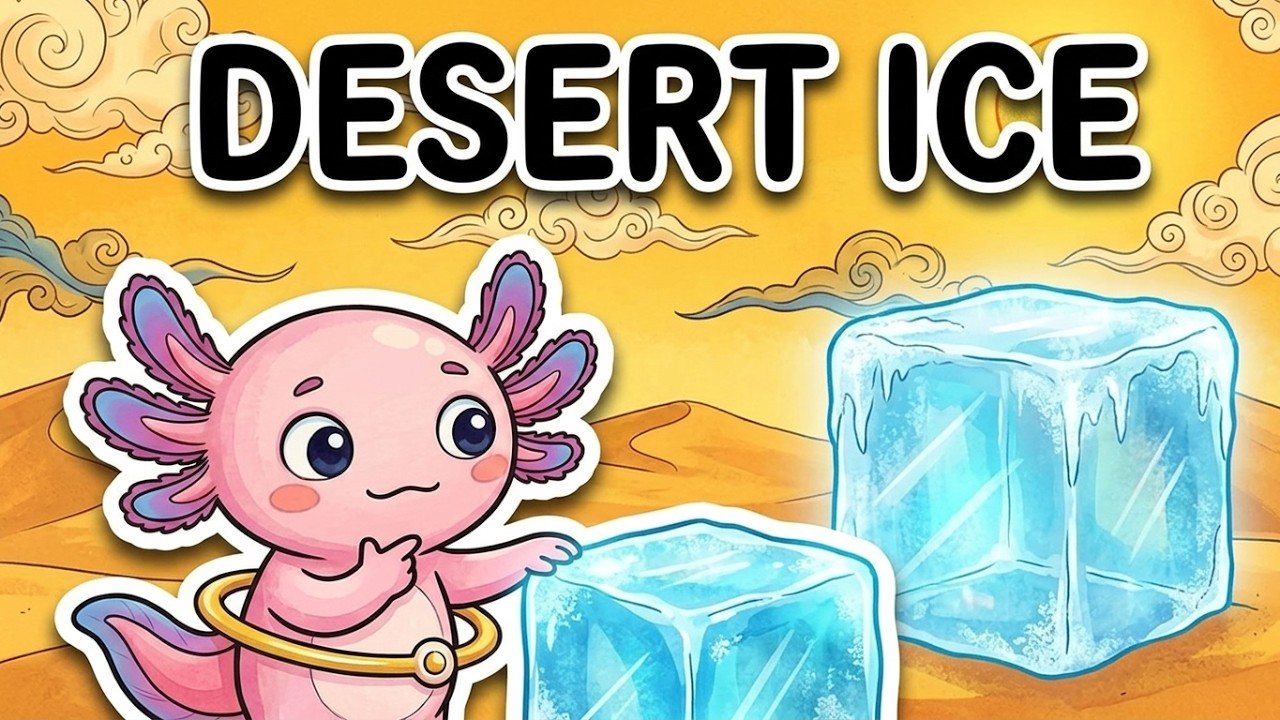
🎬 New on YouTube: How Did Ancient Persia Make Ice In The Desert?

Forty-five degrees in the shade, and someone hands you a bowl of ice. How did ancient Persia pull that off without a single wire? Orbi the axolotl (who really hates deserts) visits the yakhchal, a giant mud "ice pit", watches water freeze under the desert night sky, crawls…
▶️ Watch: https://www.youtube.com/watch?v=oNlLAsRDBYI

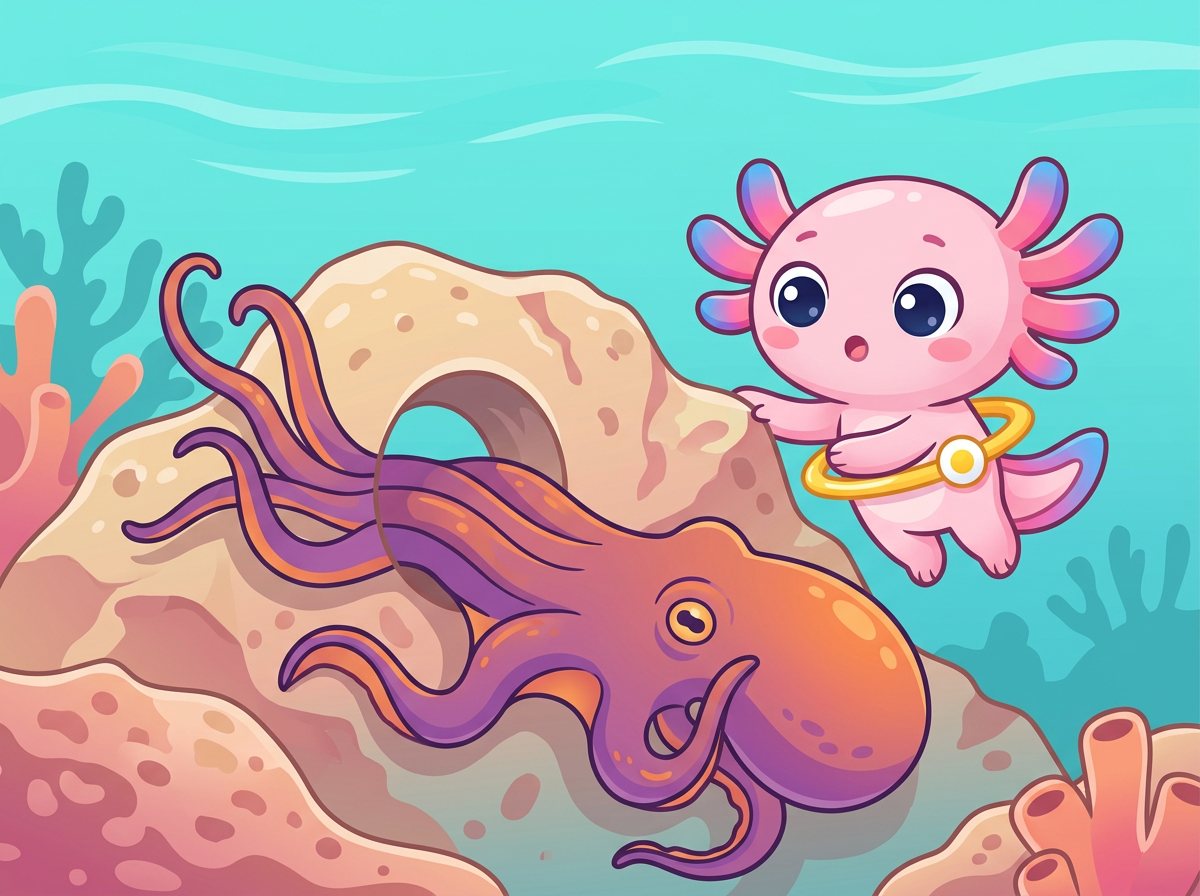
🐙 Octopuses can squeeze through any hole!

An octopus's only hard body part is its beak—the rest is pure muscle and flexibility. If the beak fits through a gap, the entire octopus can follow! This makes them escape artists extraordinaire, able to slip out of aquarium tanks and into neighboring enclosures. Nature's ultimate contortionists!

#animals #ocean

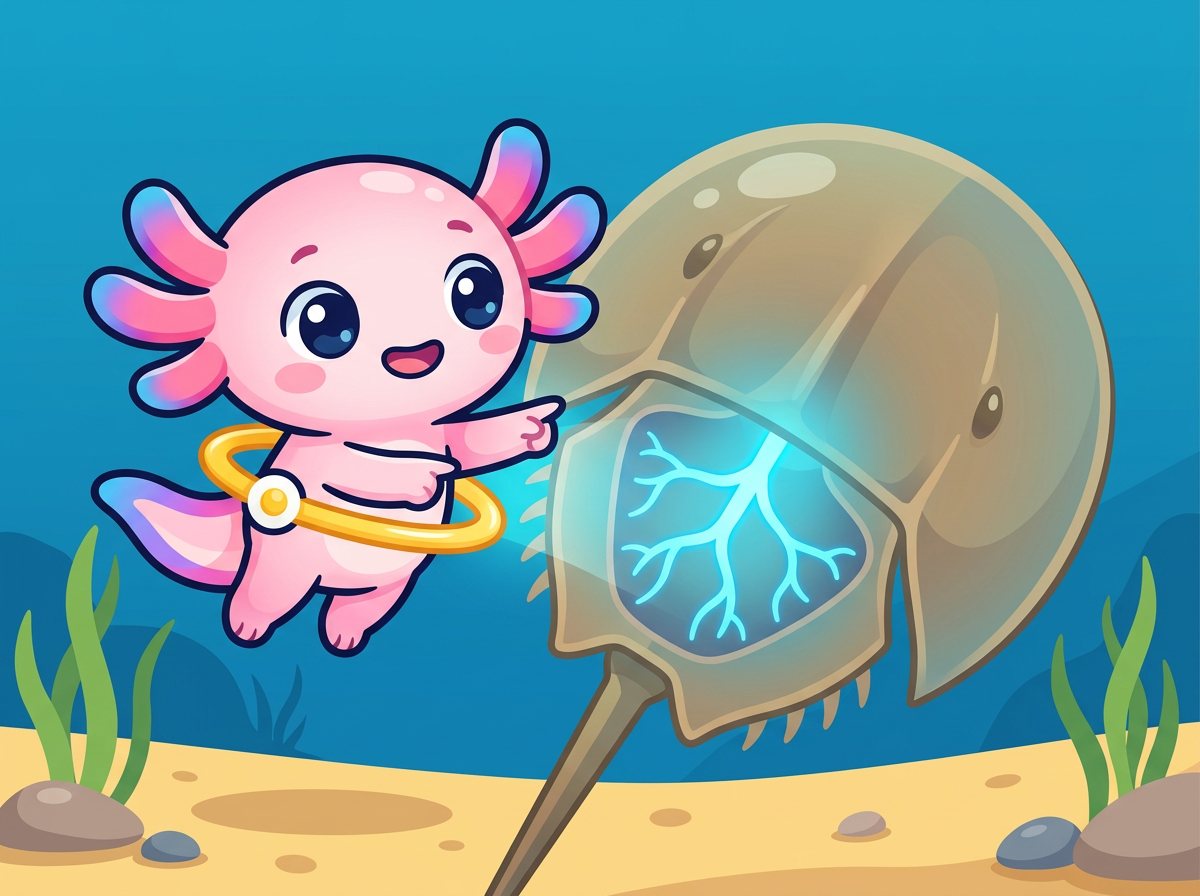
🩵 Horseshoe crabs bleed blue, not red!

Their blood contains copper instead of iron, which makes it turn bright blue when exposed to air. Scientists actually use their blood to test if medicines are safe—it's super sensitive to harmful bacteria. These ancient creatures have been around for over 400 million years, and their quirky blue blood is one reason they're still so special today!

#ocean #animals

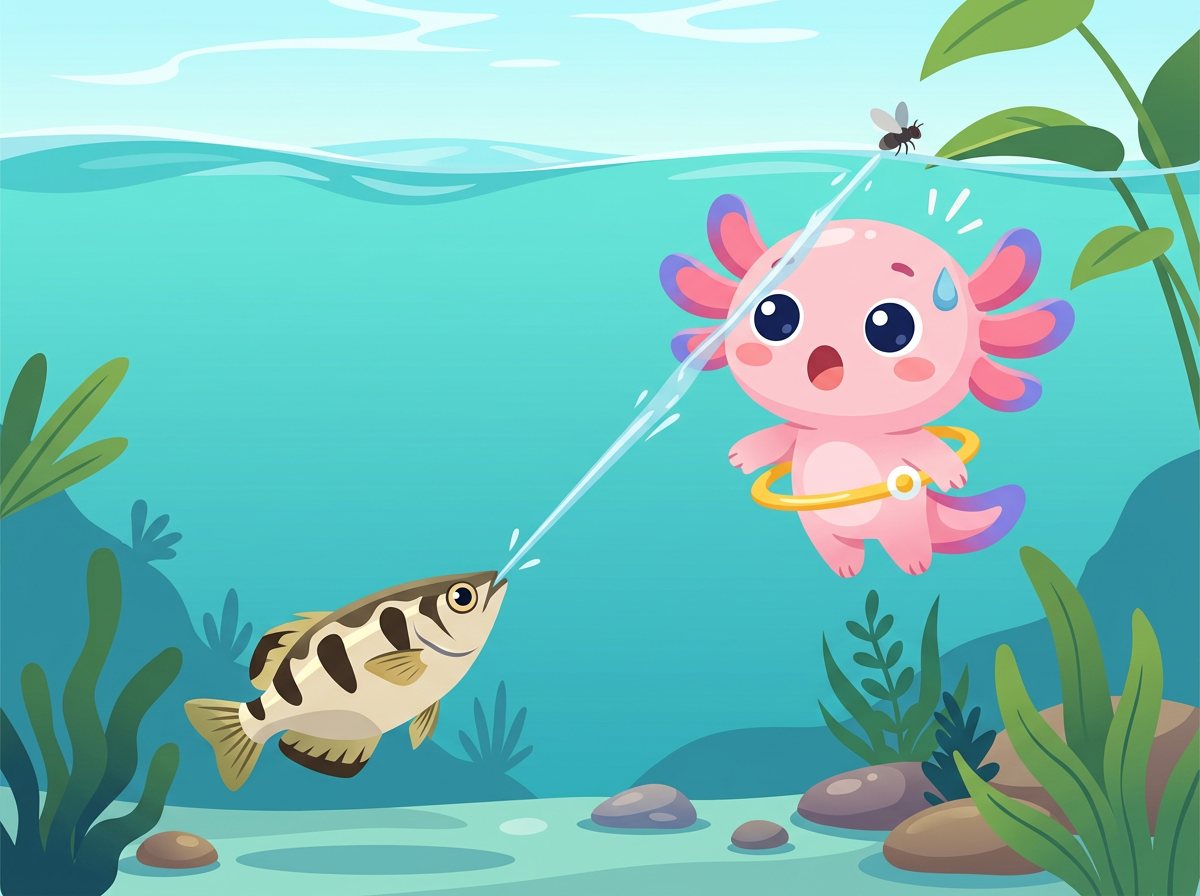
🎯 Archerfish are nature's sharpshooters!

These clever fish hunt insects above water by shooting them down with a jet of water. But here's the wild part: they automatically adjust for how light bends at the water's surface, so their aim is nearly perfect every time. It's like they've got built-in physics knowledge! Scientists still study how their brains do this calculation so quickly.

#animals #nature

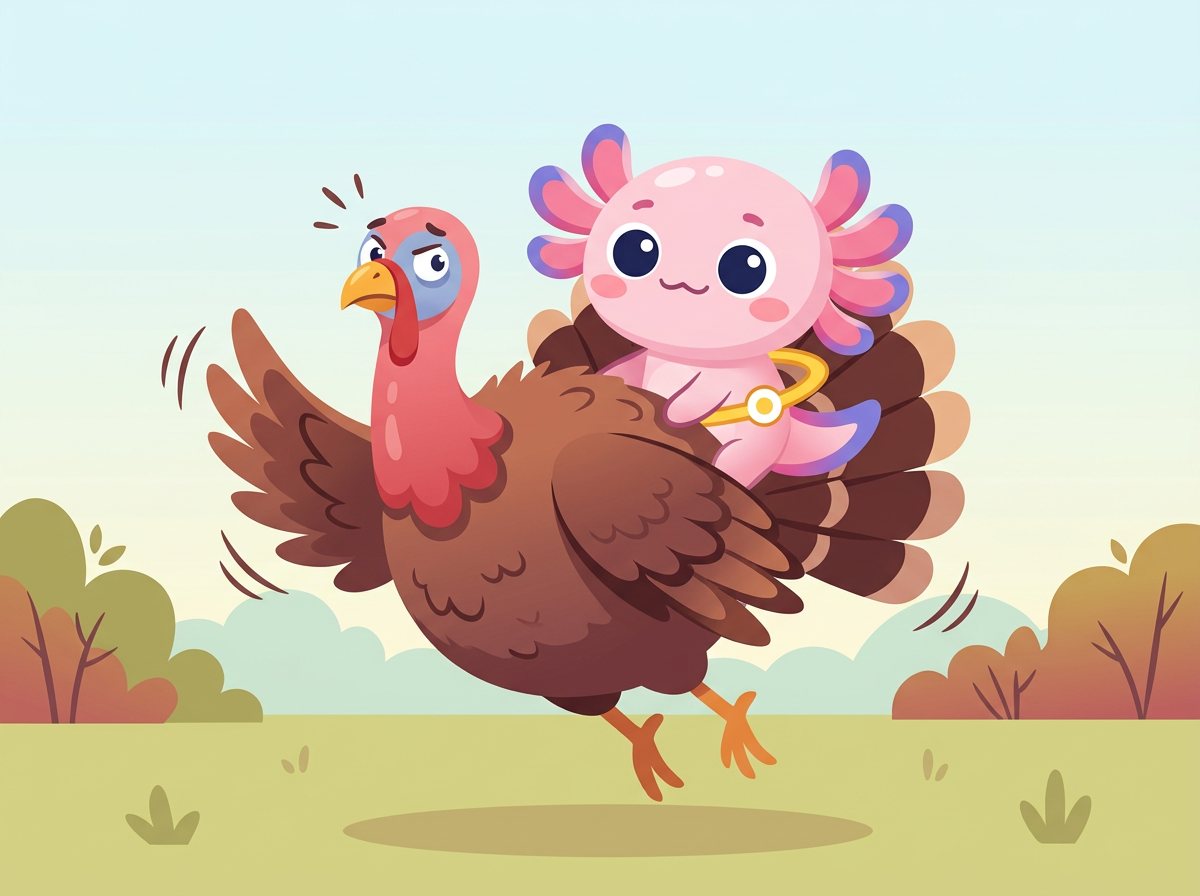
🦃 Turkeys have terrible aim in the sky!

These big birds can see in full color and even ultraviolet light—way better than humans! But despite having wings, they're pretty clumsy fliers and can only stay airborne for short bursts. Wild turkeys are actually decent fliers, but the domestic ones we know are bred to be so chunky that they struggle to get off the ground. Nature's funny that way!

#animals #nature

🎬 New on YouTube: Where Did Aladdin Really Come From?

Aladdin isn't in any of the old manuscripts of the Arabian Nights. So where did he come from? Orbi the axolotl opens the real book: Scheherazade's 1,001-night cliffhanger, the lost Persian book behind it, a Syrian storyteller in 1709 Paris, and an original Aladdin who lives…

▶️ Watch: https://www.youtube.com/watch?v=H_TFIIAXSG0

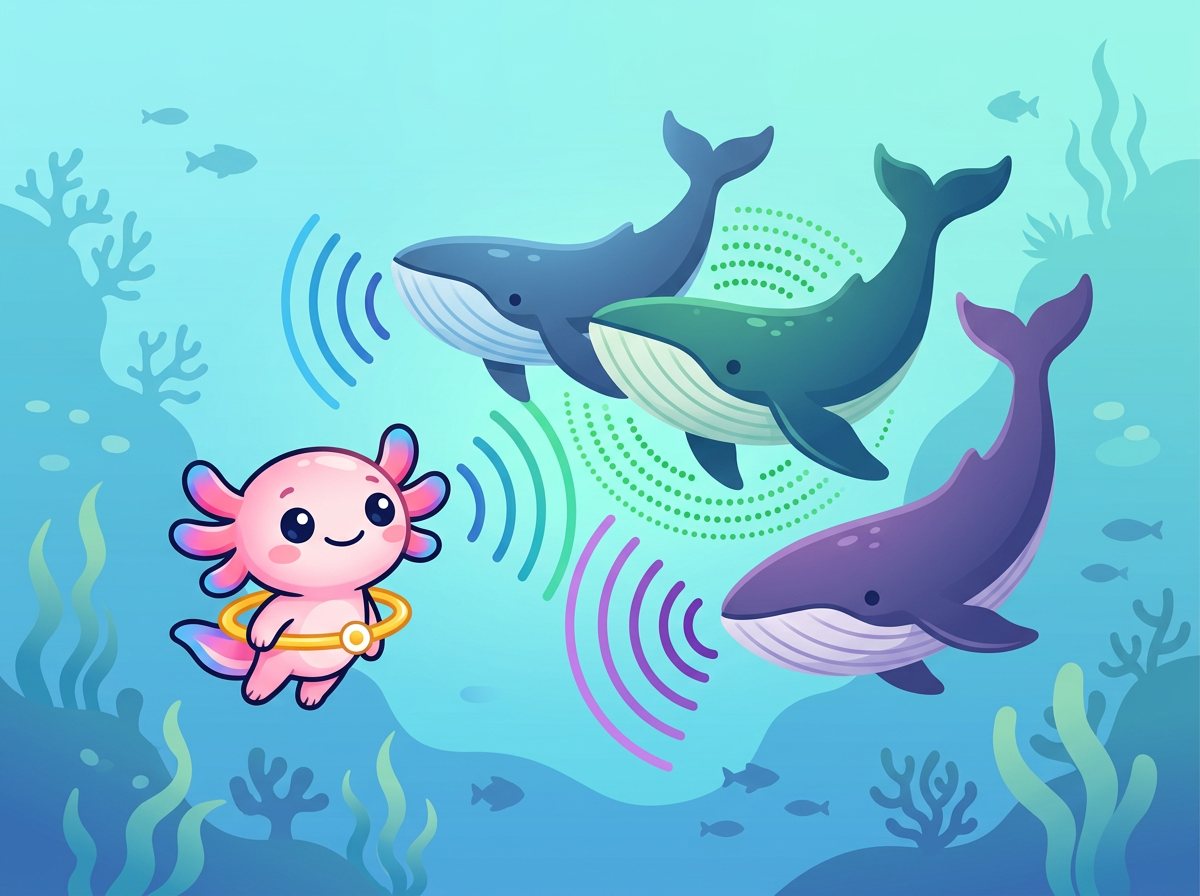
🐋 Whales have regional accents!

Different whale populations sing different songs, and they actually learn and copy each other's tunes. It's like how humans speak different languages—a humpback whale from one ocean sings a completely different song than one from another part of the world. Scientists think whales pick up new songs by listening to neighbors, kind of like how we learn from the people around us!

#ocean #animals

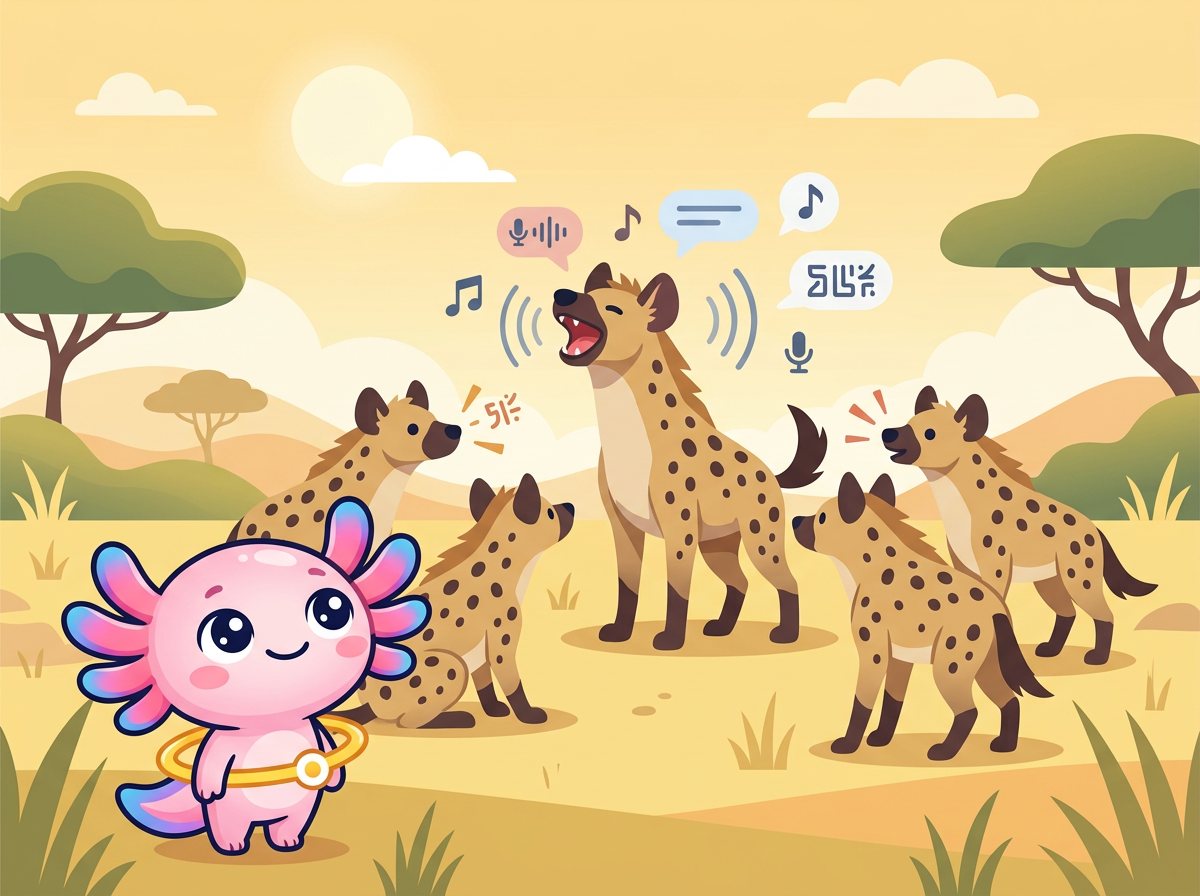
🦁 Hyenas don't laugh—they communicate!

That spine-tingling "laugh" you hear from hyenas is actually their way of talking to each other. Different sounds mean different things: greetings, warnings, or calls to the group. It's like their own special language! So when a hyena "laughs," it's really just saying hello or getting the pack's attention.

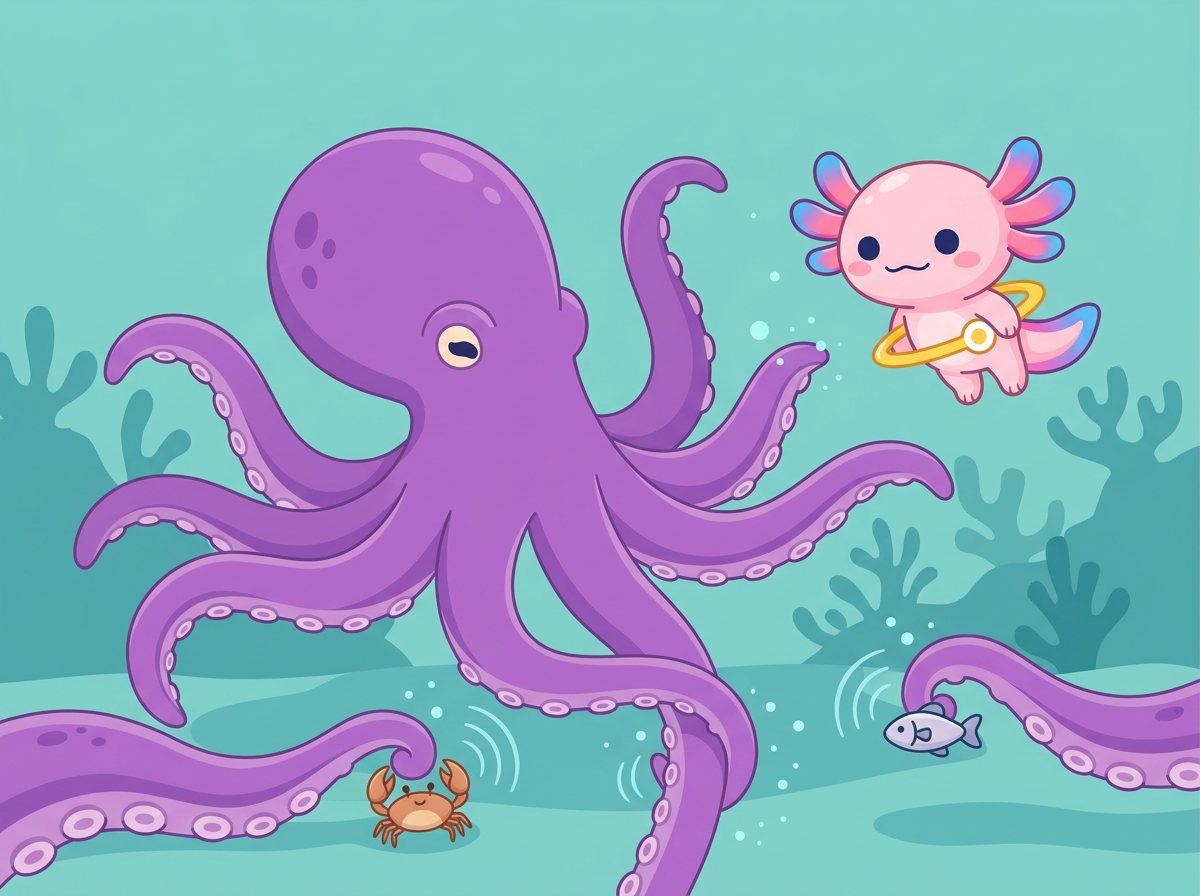
🐙 An octopus's suckers are super tasters!

Octopuses don't just use their eight arms to grab things—they actually taste with them! Each sucker is packed with chemoreceptors that let them sense flavors directly. So when an octopus explores something, it's basically tasting it at the same time. Talk about a hands-on approach to dinner!

#animals #ocean

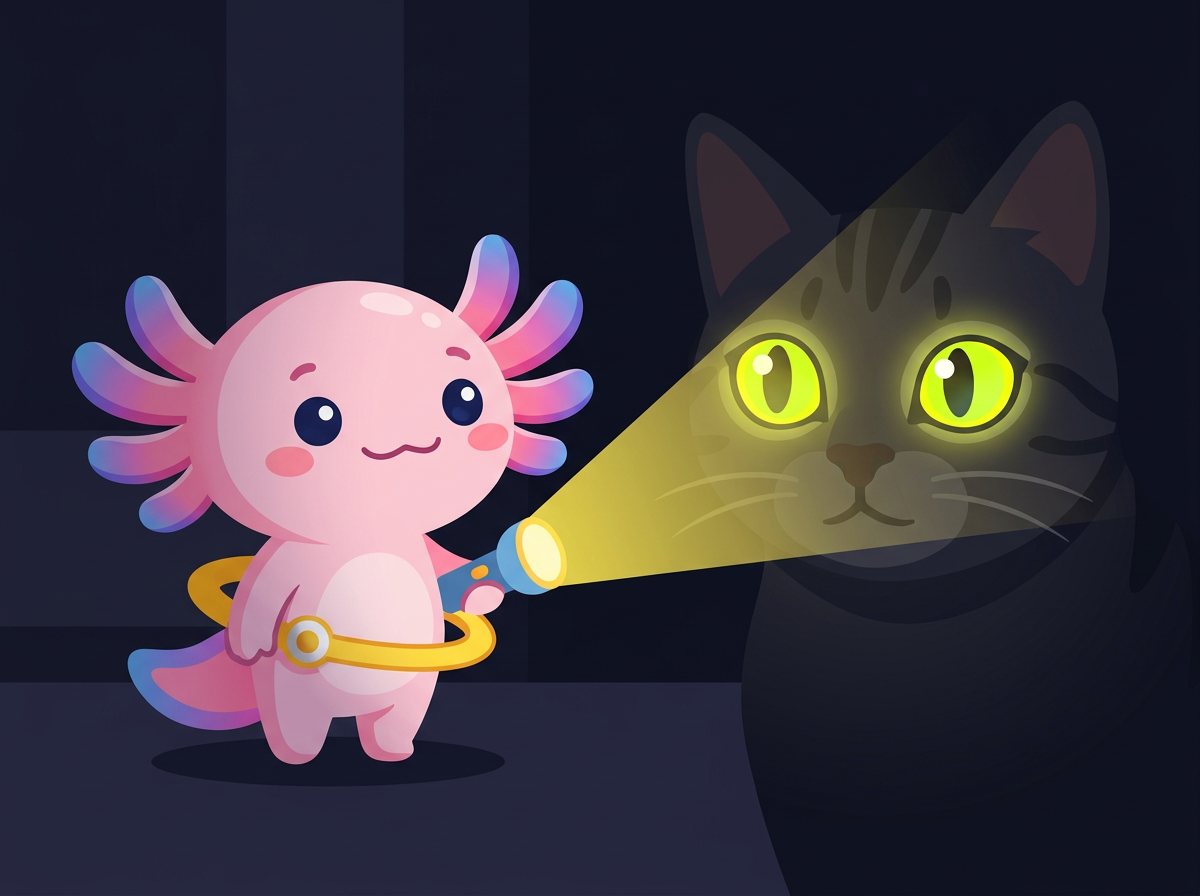
🐱 Your cat's eyes glow in the dark!

Cats have a special mirror-like layer behind their retinas called the tapetum lucidum. It bounces light back through their eyes, which is why they seem to glow when you shine a flashlight at them. This clever trick helps cats see in very low light—they need only about one-sixth the light we do to see clearly. Pretty handy for a night hunter!

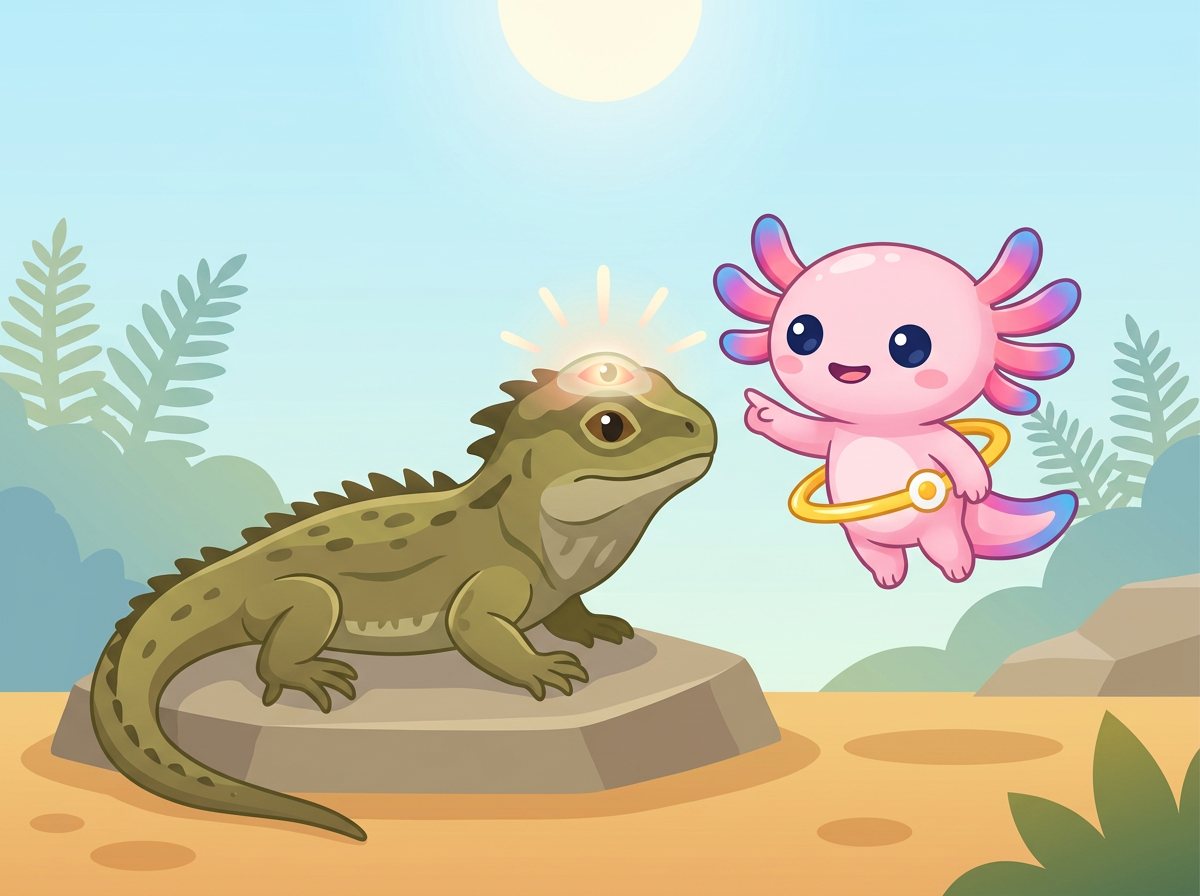
🦎 Some reptiles have a literal third eye!

Tuataras, spiky reptiles from New Zealand, have a special eye on top of their head called a pineal eye. It sits under their skin and can sense light and dark, helping them know when it's day or night. Scientists think this ancient feature is a leftover from their prehistoric ancestors!

#nature #animals

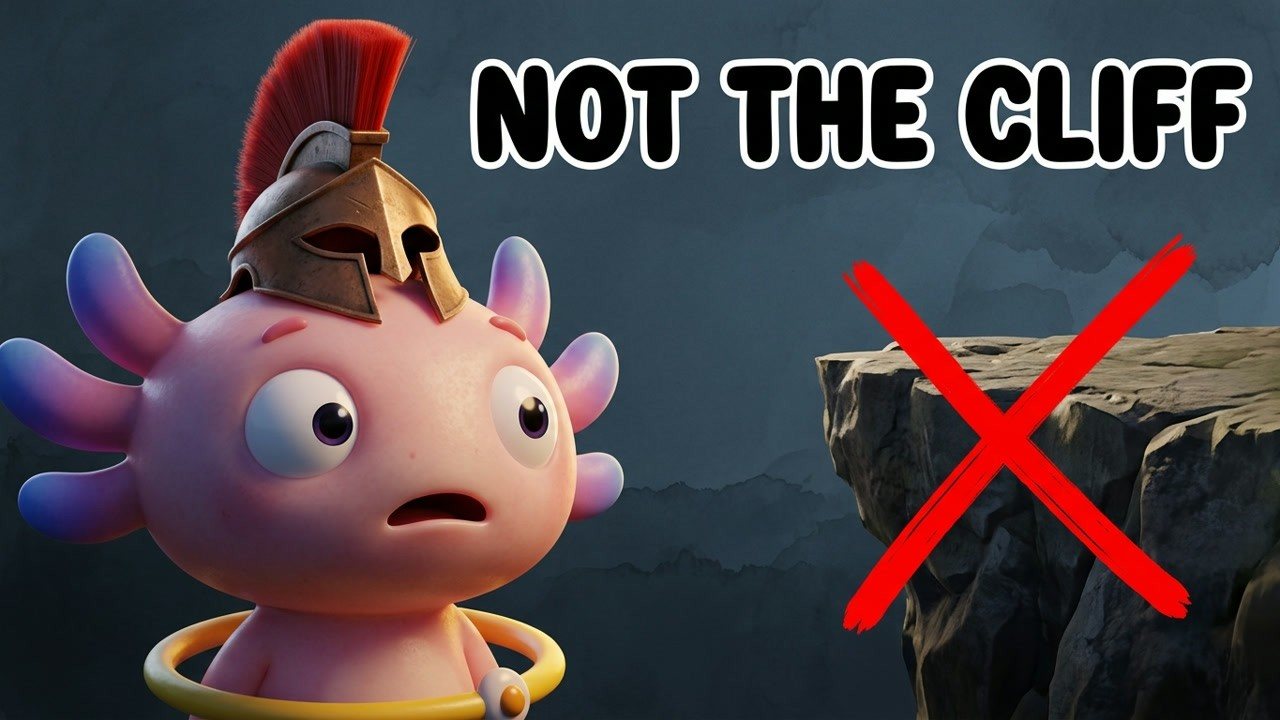
🎬 New on YouTube: Could You Survive A Spartan Childhood?

Everyone "knows" Sparta threw weak babies off a cliff. In 2007 scientists climbed into that gorge and found something else. So what did Sparta actually do to its kids? Orbi the axolotl lives through a Spartan childhood: a bath in wine, one cloak a year, hunger on purpose,…

▶️ Watch: https://www.youtube.com/watch?v=jVX04frRRfs

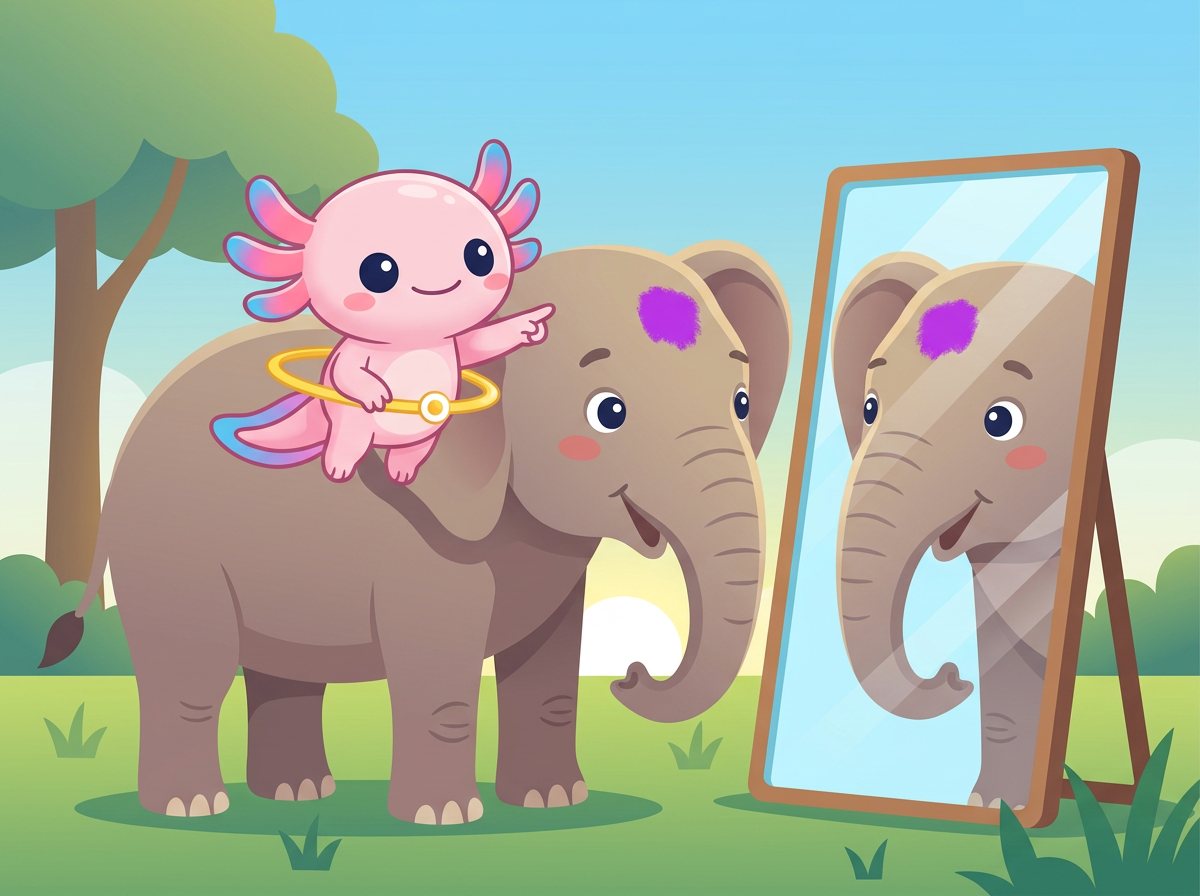
🪞 Elephants know it's them in the mirror!

Most animals see a mirror and think there's another creature looking back. But elephants? They recognize their own reflection! Scientists discovered this by marking elephants with paint and watching them touch the marks while looking in a mirror. It shows these gentle giants have a special kind of self-awareness that only a few animals on Earth possess.

#animals #science

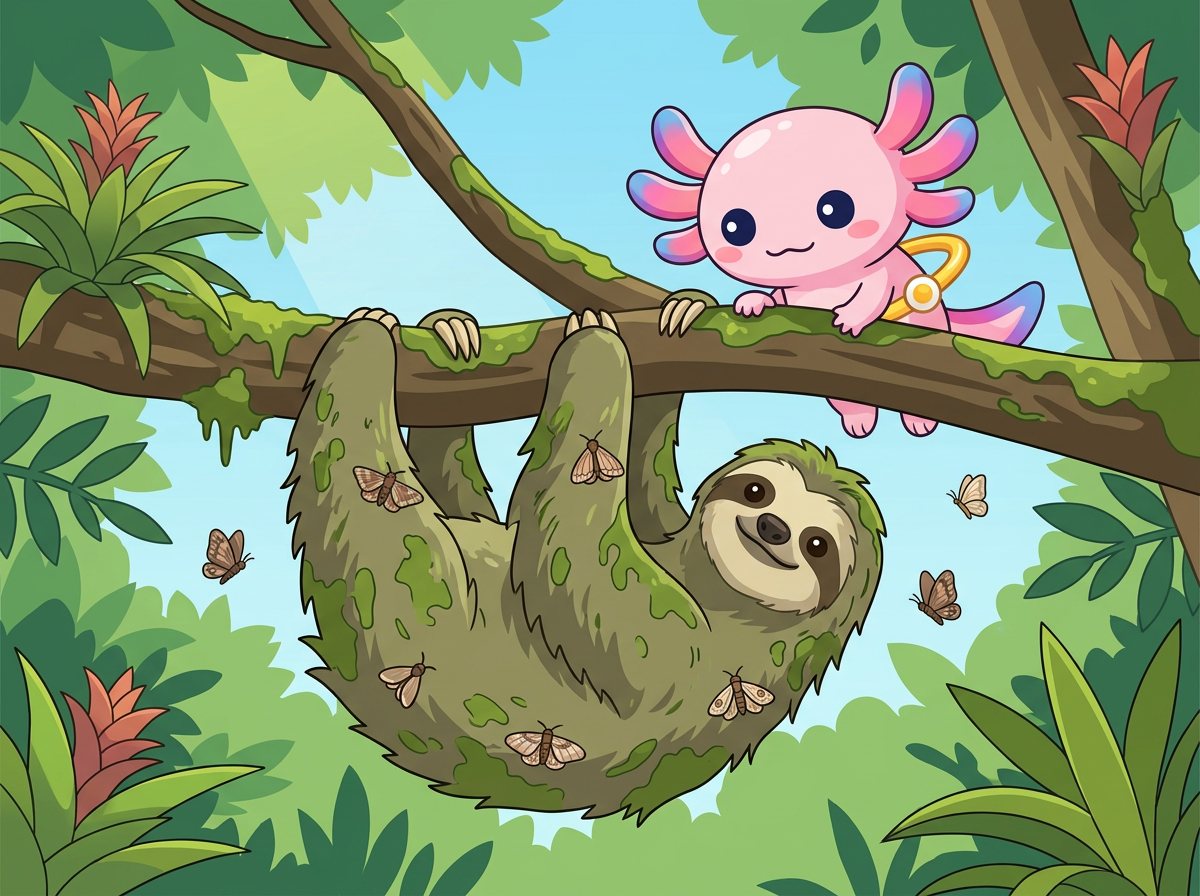
🦥 Sloths are walking apartment buildings.

Sloths move so slowly through the rainforest that algae and moths actually live in their fur! The moths lay eggs in the sloth's droppings, and when the babies hatch, they fly up to find a new furry home. It's a cozy deal—the sloth gets camouflage from the greenish algae, and the moths get free lodging.

#nature #animals

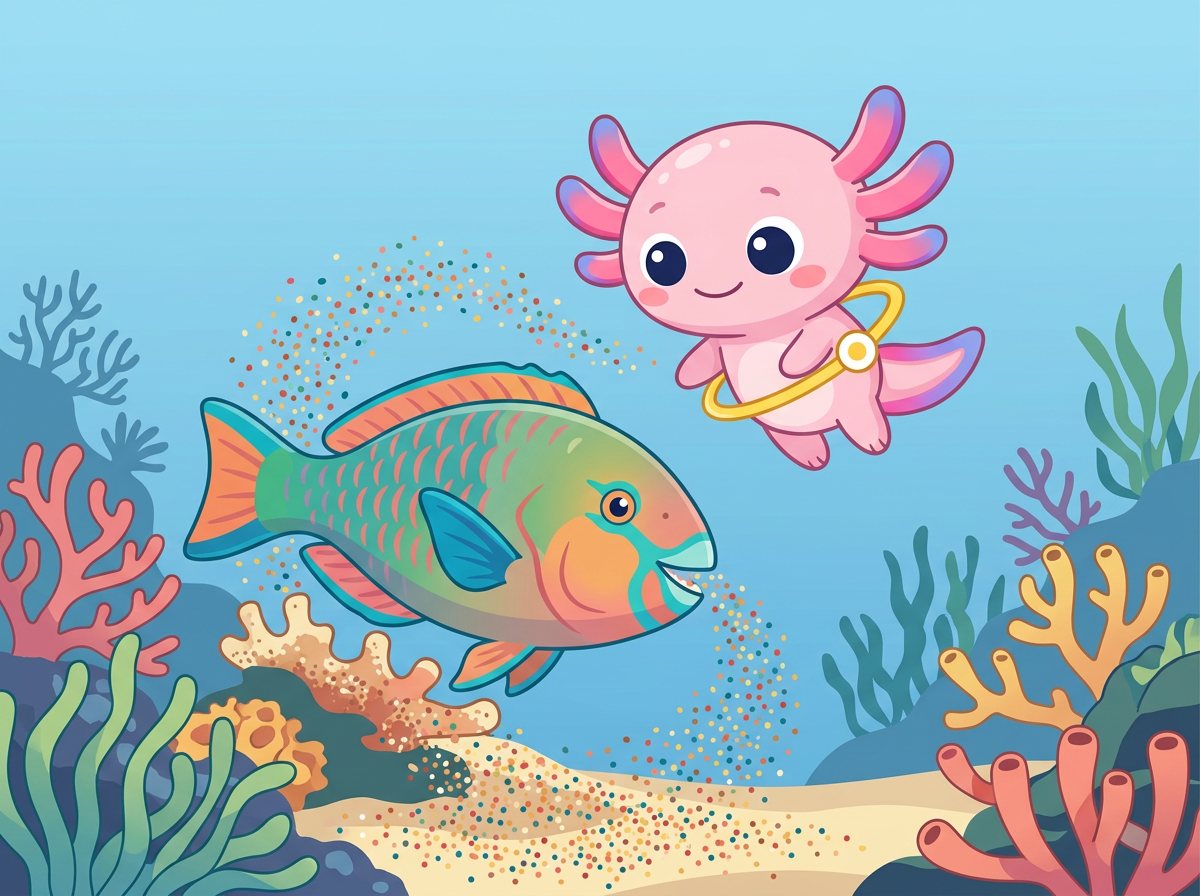
🏖️ Your beach sand might be fish poop!

Parrotfish munch on coral all day long, grinding it up in their powerful jaws. What goes in must come out—and when it does, it becomes the colorful sand beneath your feet! A single parrotfish can produce hundreds of pounds of sand each year, helping create some of the world's most beautiful beaches.

#ocean #animals #nature

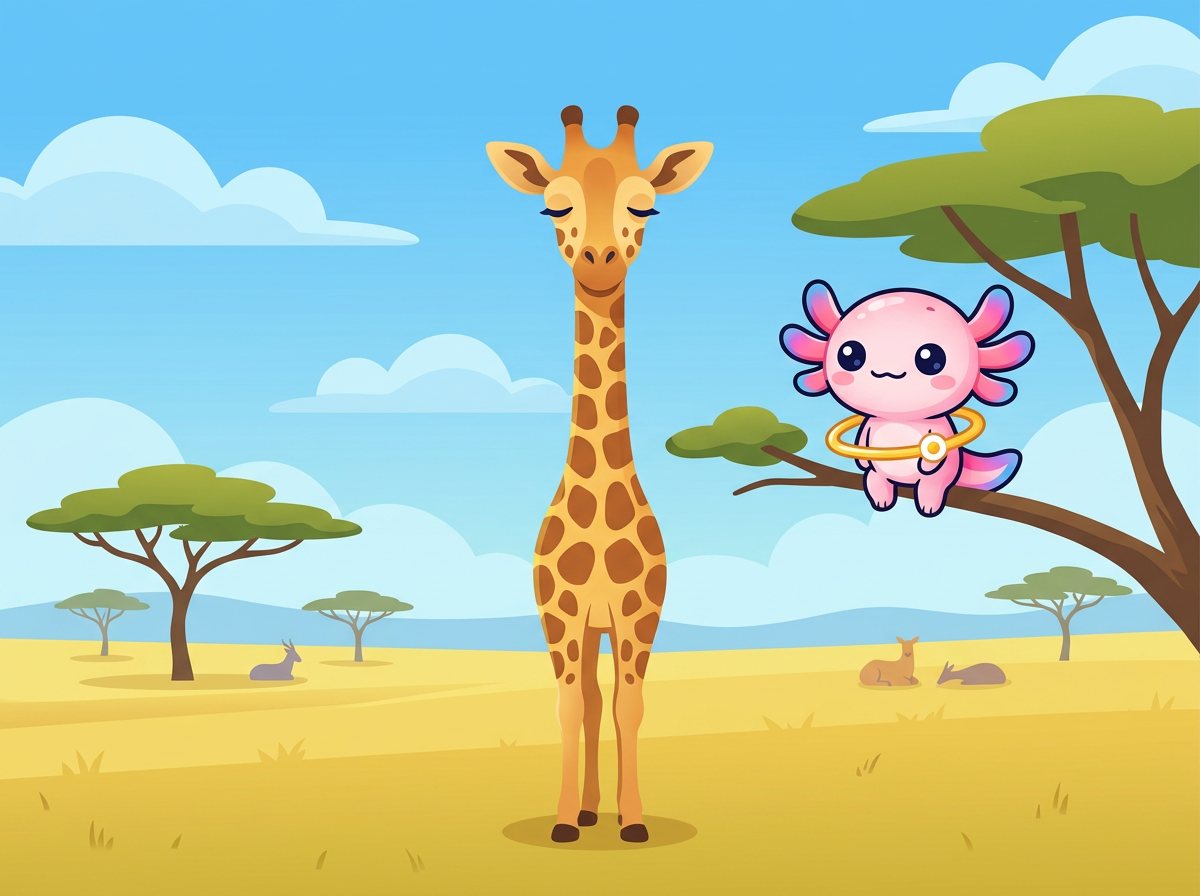
😴 Giraffes barely need to shut their eyes.

These tall beauties sleep just 30 minutes a day—sometimes in chunks of only 5 to 10 minutes at a time! They can even doze standing up, which helps them stay alert for predators on the African savanna. All that height means they need less sleep than most animals to stay healthy and ready to run.

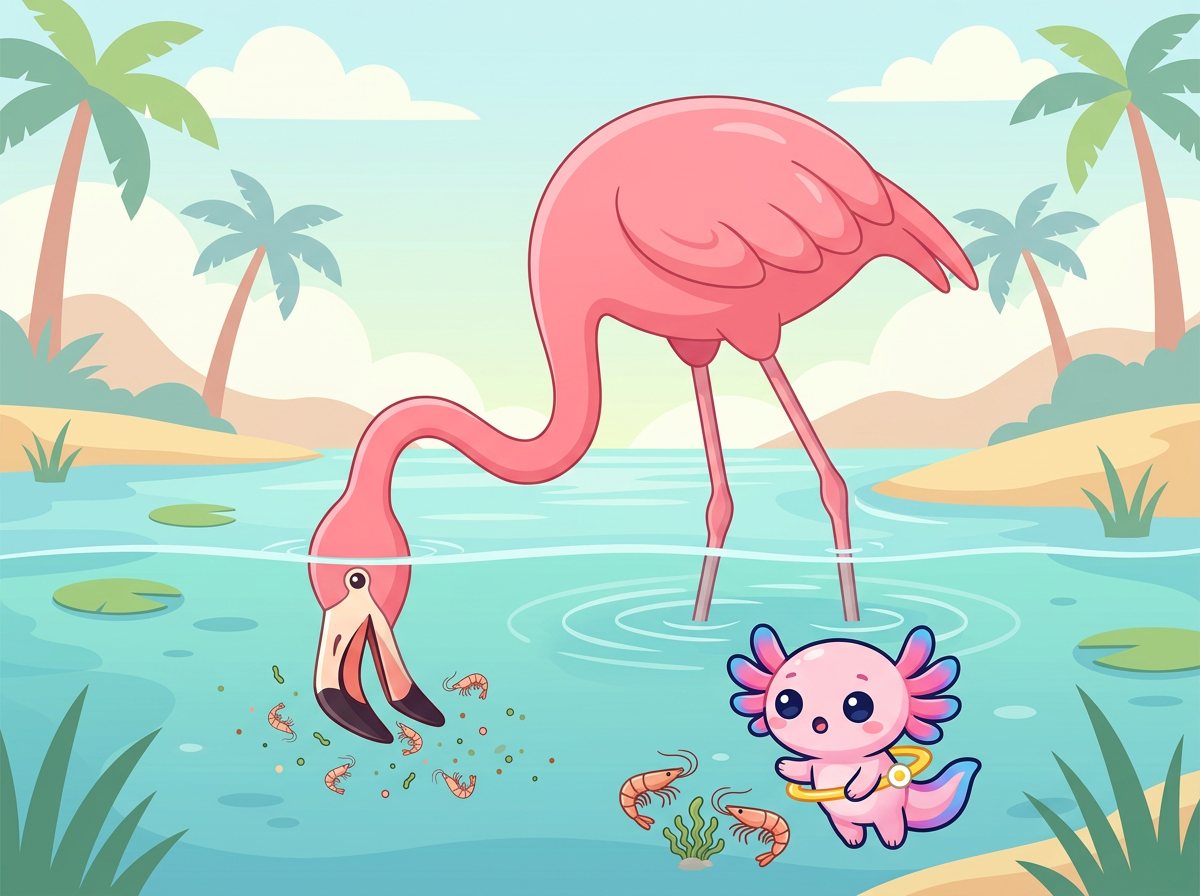
🦩 Flamingos filter-feed while upside down!

These pink birds have a special trick: they tip their heads upside down in the water to eat. Their beaks are bent just right, with filters inside that trap tiny shrimp and algae while water flows out. The shrimp they munch actually contain the pigment that makes flamingos pink—without it, they'd be white!

#animals #nature

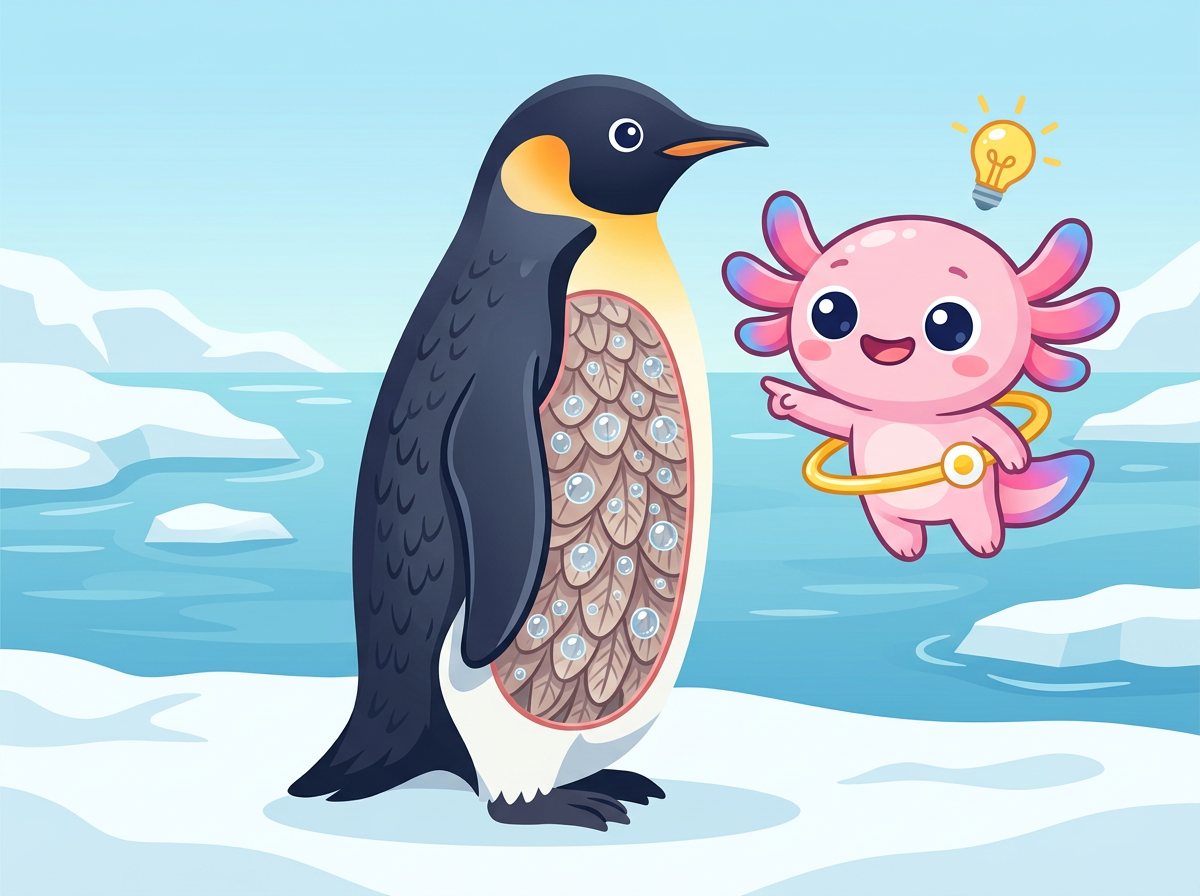
🐧 Penguins have 100 feathers per square inch!

That's way more than most birds, and each feather overlaps like roof tiles. Underneath, they trap a thick layer of air that keeps penguins toasty in freezing waters. It's like wearing an invisible wetsuit made of fluff! This super-dense feather coat is why penguins waddle on land—they're basically wearing a puffy coat 24/7.

#animals #nature

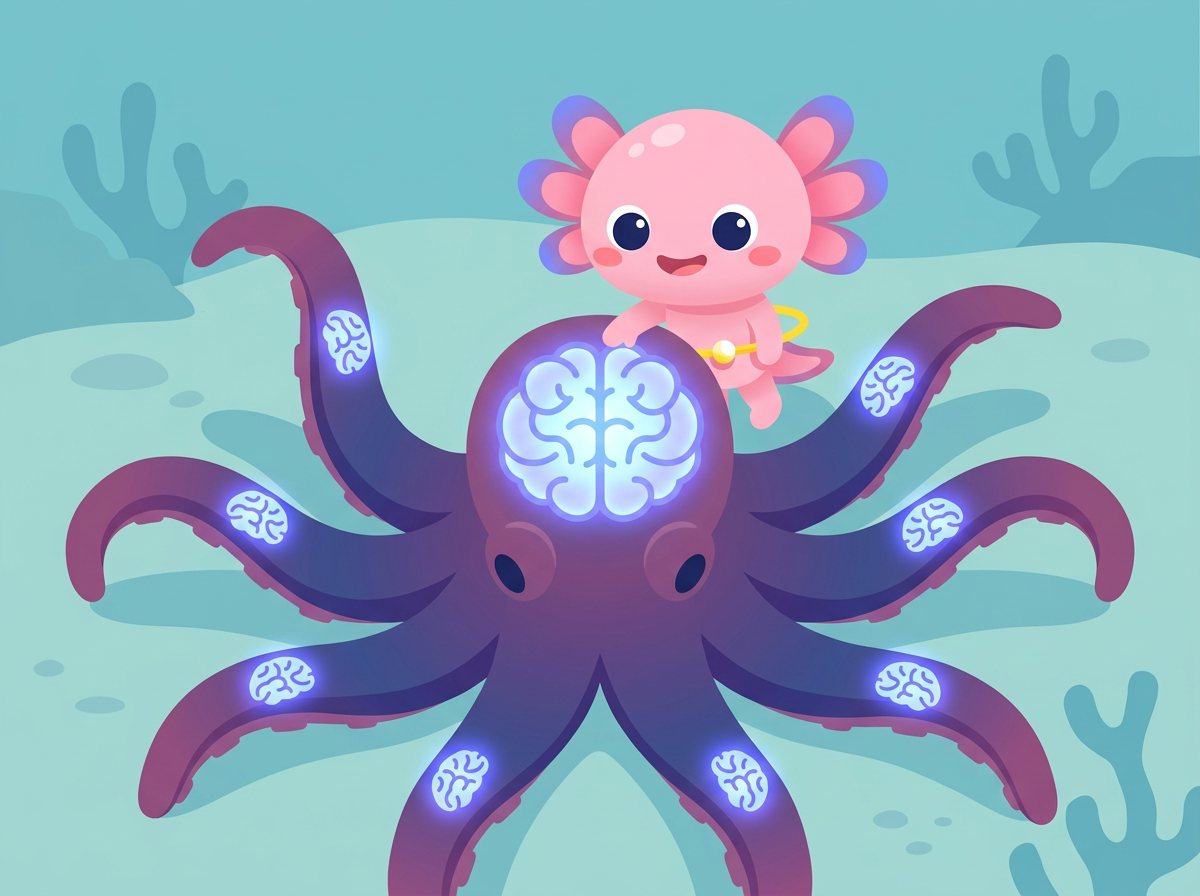
🧠 One brain isn't enough for an octopus!

Octopuses have a central brain in their head, plus a mini-brain in each of their eight arms. This means each arm can think and act somewhat independently—even while the main brain is busy doing something else. It's like having nine decision-makers working at once! This setup lets octopuses multitask in ways most animals can only dream of.

#animals #ocean

🎬 New on YouTube: What Actually Lives In Your Brain

Up to a third of people may carry a parasite in their brain. Orbi the axolotl takes a trip through the human brain: Toxoplasma, the brain-eating amoeba, the pork tapeworm, how parasites get past the blood-brain barrier, and why the zombie-ant fungus can't hurt you.

▶️ Watch: https://www.youtube.com/watch?v=XQjRqKeDP7o

orbeo.me · мессенджер без номера телефона